
It has been over a week since I returned from Airventure 2021 and I’m still in recovery mode. Osh is like that. It overwhelms your senses. It’s not just every type of airplane you ever wanted to see all in one place at the same time, it’s 10 or 15 examples of every type of airplane you ever wanted to see. Plus hundreds of other planes you didn’t realize you wanted to see. It’s exhausting – but in the best way possible.
Service emerged as a major theme for me this year. This is perhaps in part because I volunteered for the first time. I got an up-close look at some of the people who put in countless hours of work to make Airventure happen. Trust me, for every volunteer you see – parking cars, on the flight line, driving trams – there are many more behind the scenes that you know nothing about. Airventure would not happen without them.

Service was also front and center on Boeing Plaza. Many of the aircraft on display belong to non-profit organizations providing care around the globe. The Orbis Flying Eye Hospital (MD-10) is not just a place where sight-restoring surgeries take place, but it is also an education center where doctors in remote locations are trained to treat various eye problems.
Samaritan’s Purse (DC-8) delivers portable hospital facilities and personnel where ever help is needed. You can find them assisting during natural disasters and they even helped out in covid hotspots during the worst of the pandemic. Samaritan Air (sea plane) transports people from remote parts of Indonesia to medical facilities for treatment. A five day journey by canoe becomes a two hour ride by plane.

This year marked the first time that Airventure allowed anyone 18 and under to attend for free. Think about that for a moment. How many other events do the same? I guarantee you there aren’t many. The benefits to the aviation community are huge. Where will future pilots, mechanics, controllers, flight attendants, airport operations personnel, etc. come from if children aren’t exposed to the industry? And what better place to learn about every facet of aviation than Airventure?
But perhaps what stood out to me the most are ordinary people doing ordinary things which turn out to be extraordinary. For example, take Jennifer Duffer who is a teacher at Montgomery HS in Texas. Her engineering students built an airplane. No, not a model. Not a piece of a plane. An entire functioning airplane. And Ms. Duffer flew it to Oshkosh!

Her school is participating in the Eagles Nest Project which provided a Vans RV 12 light aircraft kit for the students to assemble. Ms. Duffer, along with a group of mentors, helped her students learn the principals of aviation as well as how to use tools, how to work together, how to read schematics, how to communicate, etc. Eventually the plane will be sold to buy the next kit for the next round of students to build. How cool is that? And what an amazing thing to put on a resume or a college application!
As you can tell, after two years away it was beyond good to be at Osh again. I missed my aviation family so much! Yes, the airplanes were amazing, but only because PEOPLE made them so. Likewise it is the people – old friends, new friends, volunteers, ambassadors and even passionate school teachers that make Airventure special. If you’ve never experienced that kind of aviation community magic, don’t put it off any longer. Make plans now for Osh22. Hope to see you there!
Want more stories from Osh21? Check out the Flying and Life Podcast for additional coverage!



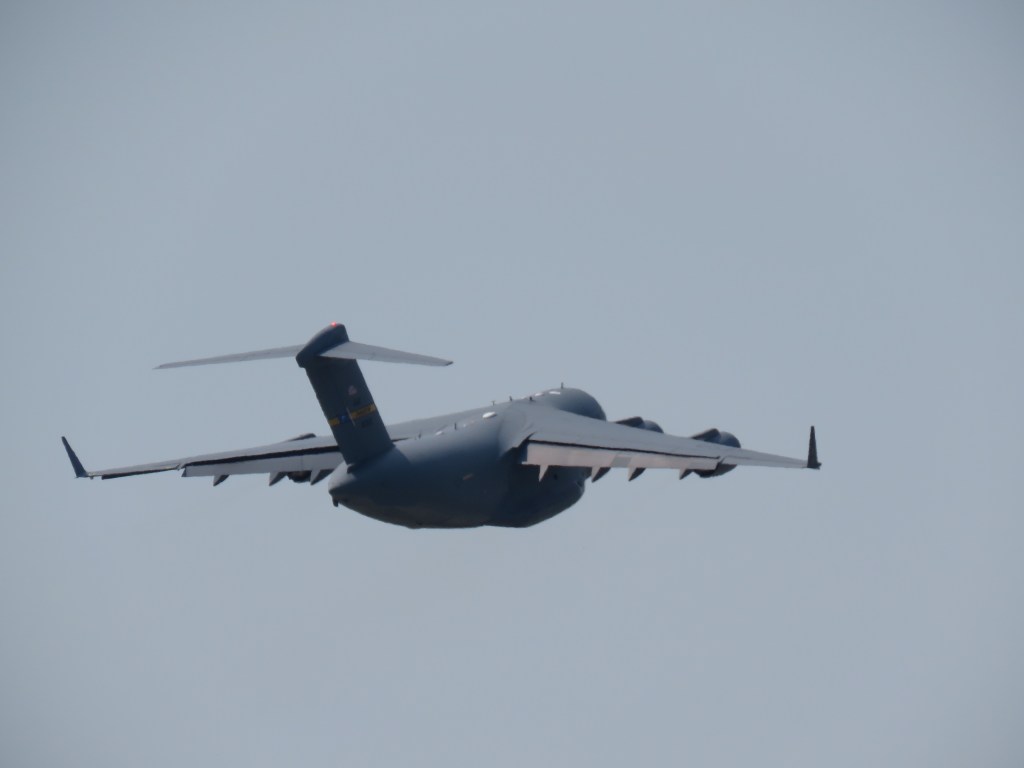


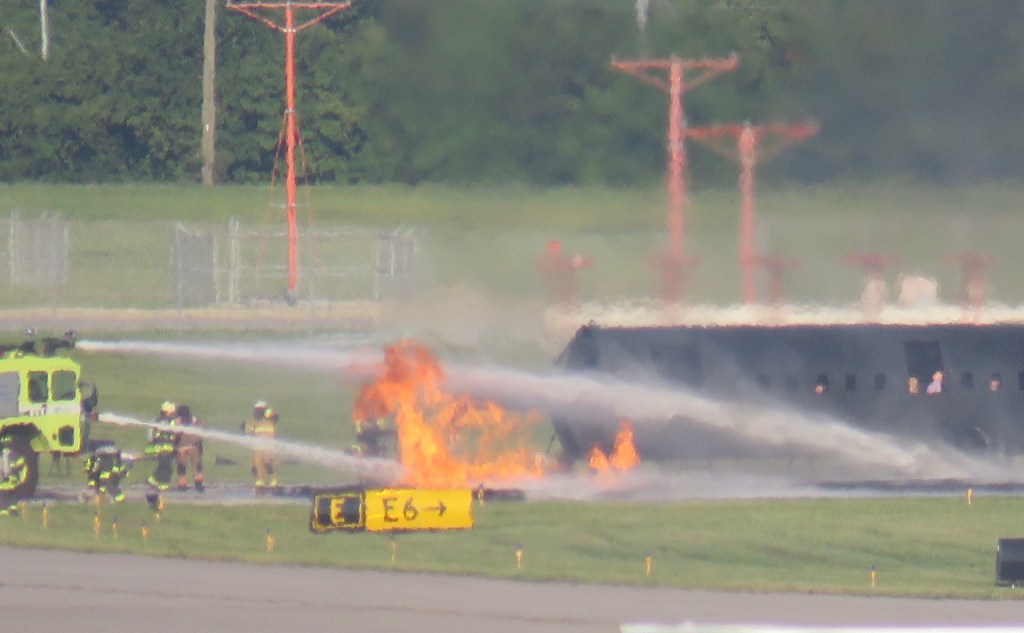

 I’ve been around the airport long enough now that I’ve witnessed many go-arounds. They always grab my attention because the plane passes low over the airport in a way that is different from the usual pattern. Most of the time I don’t have any idea why they are going around, although once I had my scanner on and heard the pilots mention wind shear.
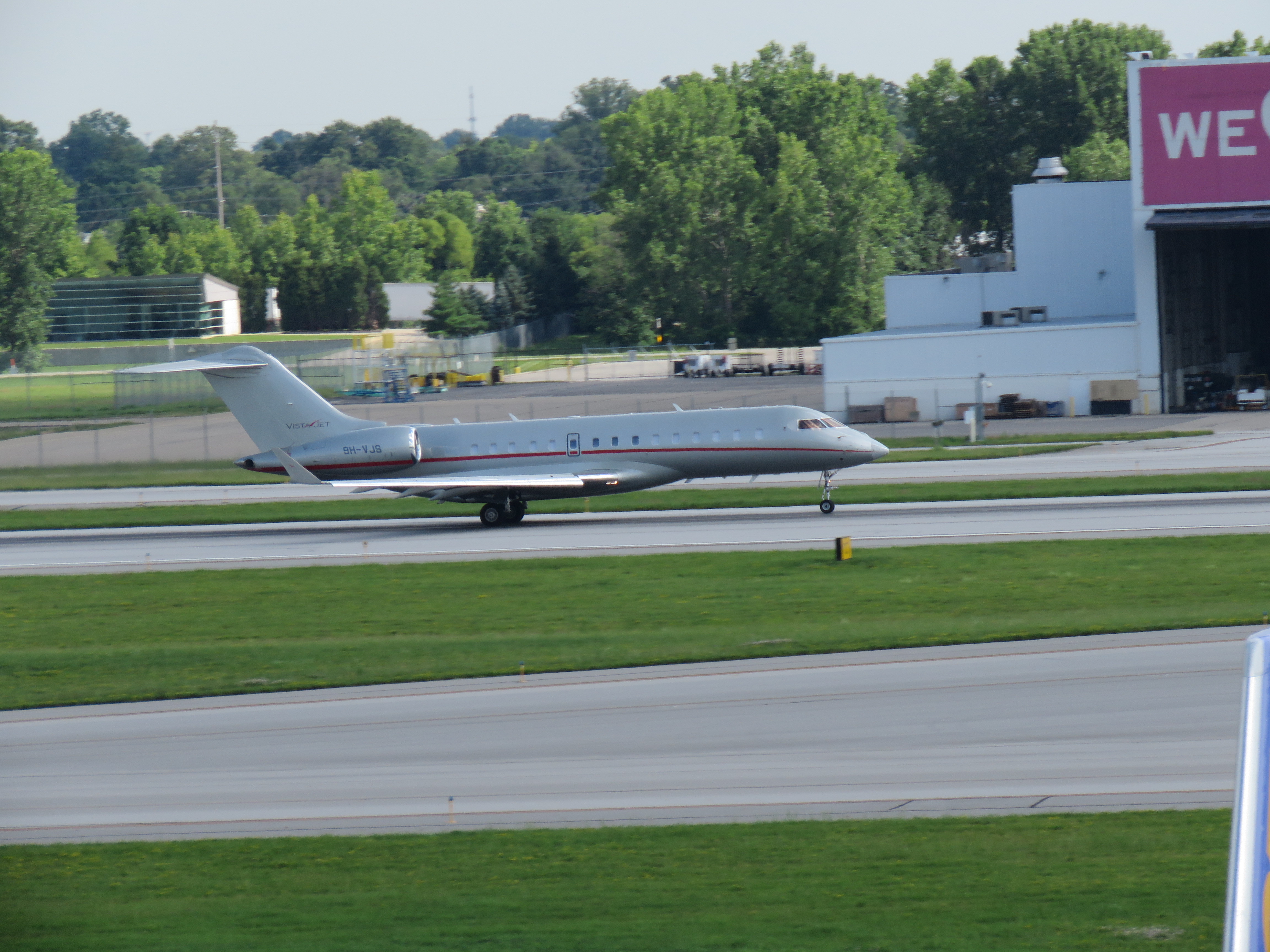
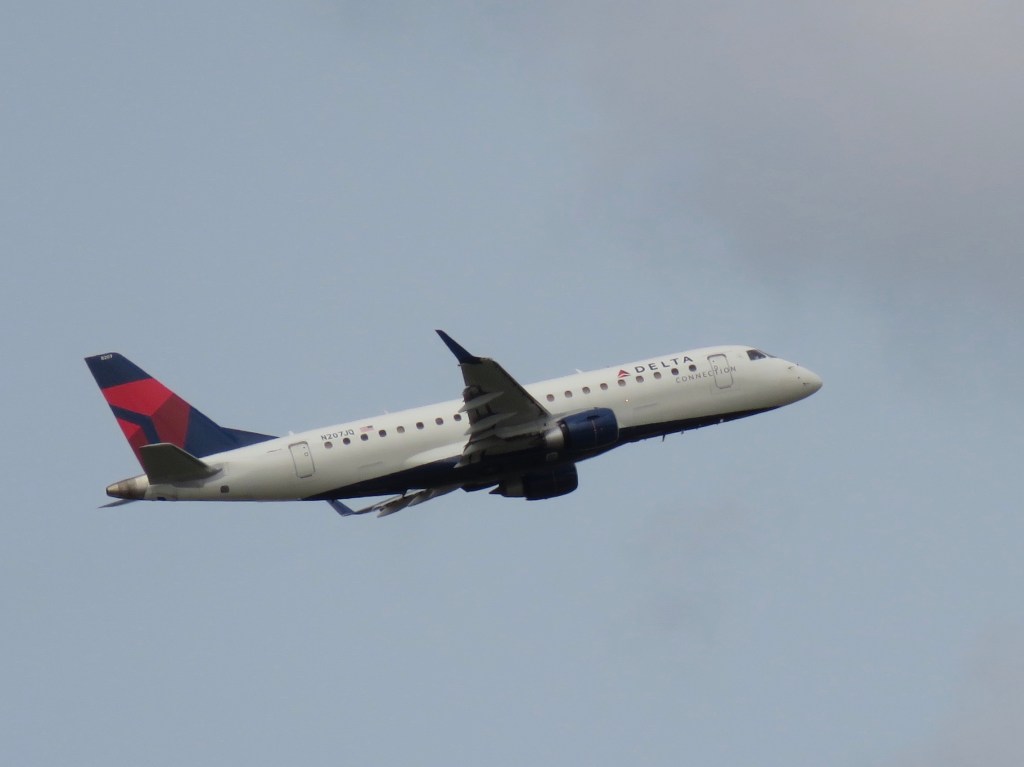
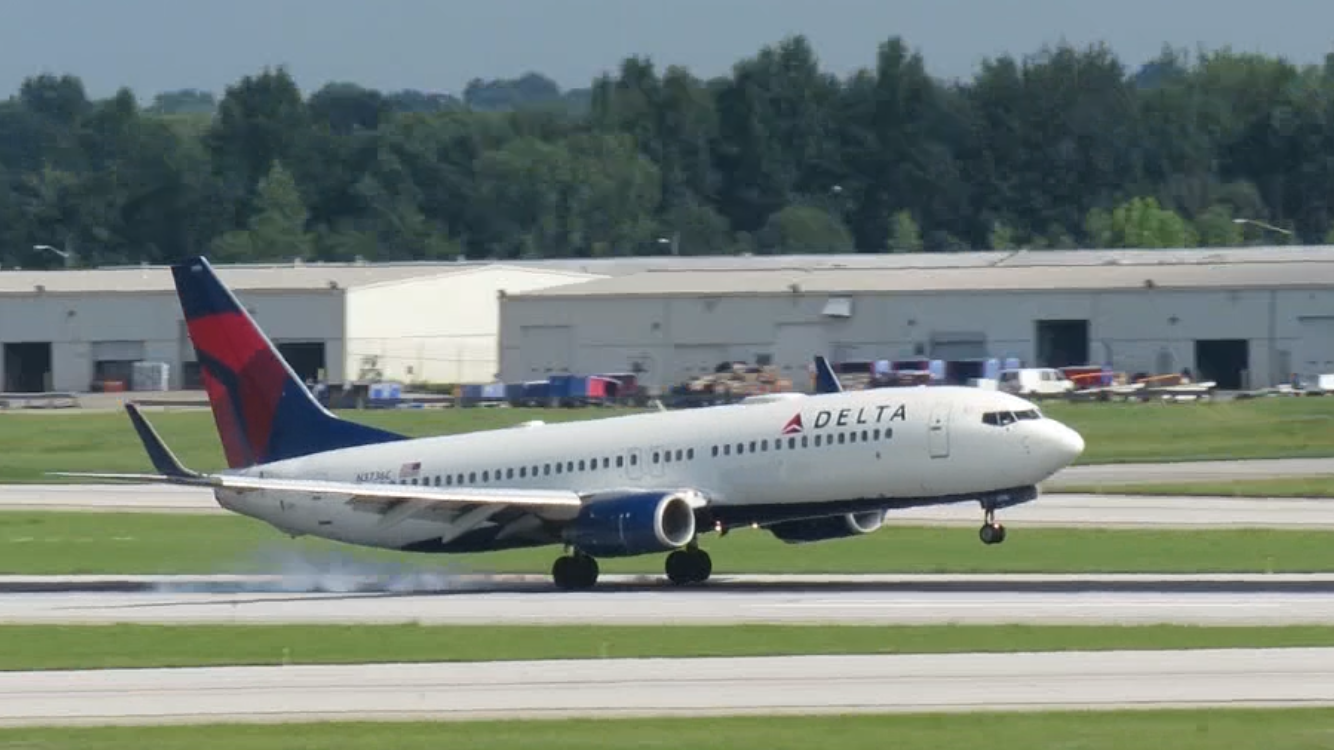
 Once the bizjet turned onto a taxiway, ATC cleared Vistajet to take off. They then cleared the Delta flight to land, noting that departing traffic was on the roll. Except it wasn’t. I watched as Vistajet sat at the end of the runway while the Delta continued on final. It was pretty clear that if Vistajet didn’t get moving ASAP there was going to be a situation.
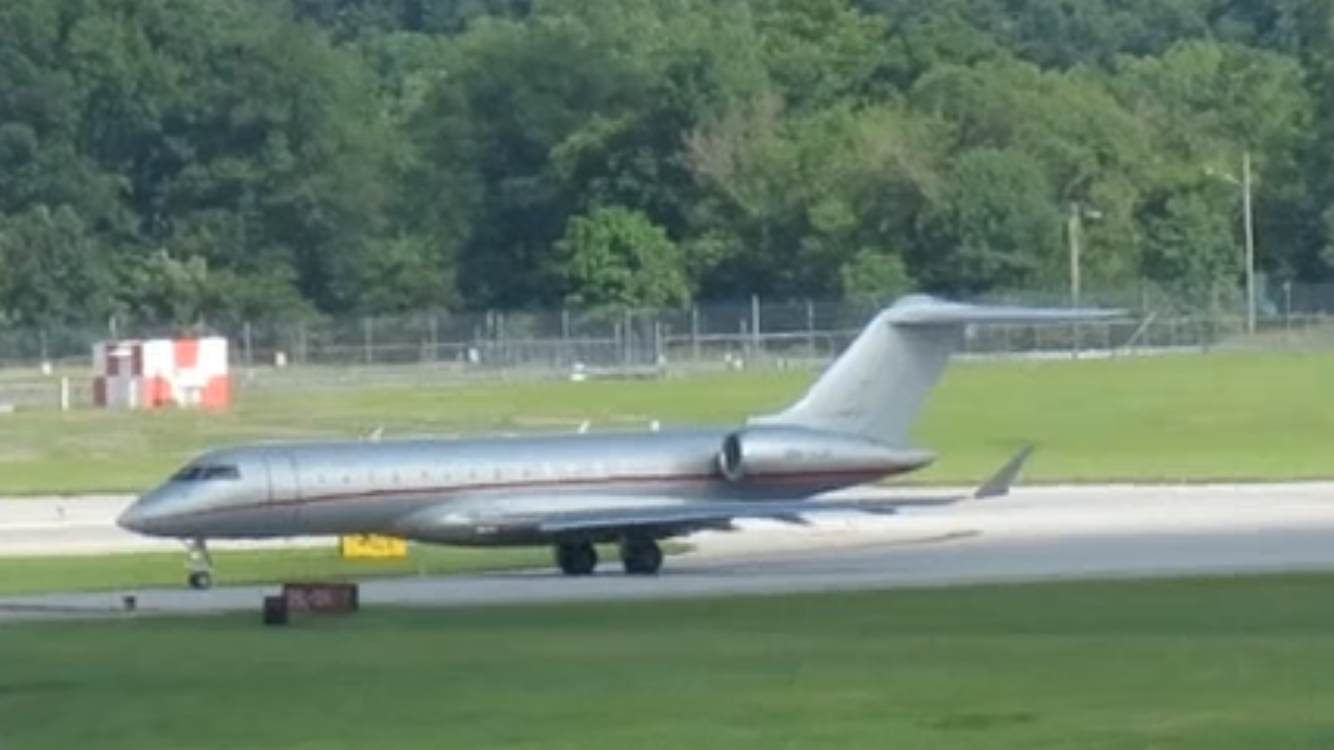 Unsurprisingly, the next command from ATC was to cancel Delta’s landing clearance and send them around. The Delta pilot’s response was perhaps my favorite part of the whole thing. While the Vistajet scrambled to exit the runway and the controller sounded a bit tense, the Delta pilot sounded… bored. Like he does go-arounds ten times a day. I’m sure the Delta flight crew were maintaining situational awareness, could tell what was happening and were already preparing to abort the approach.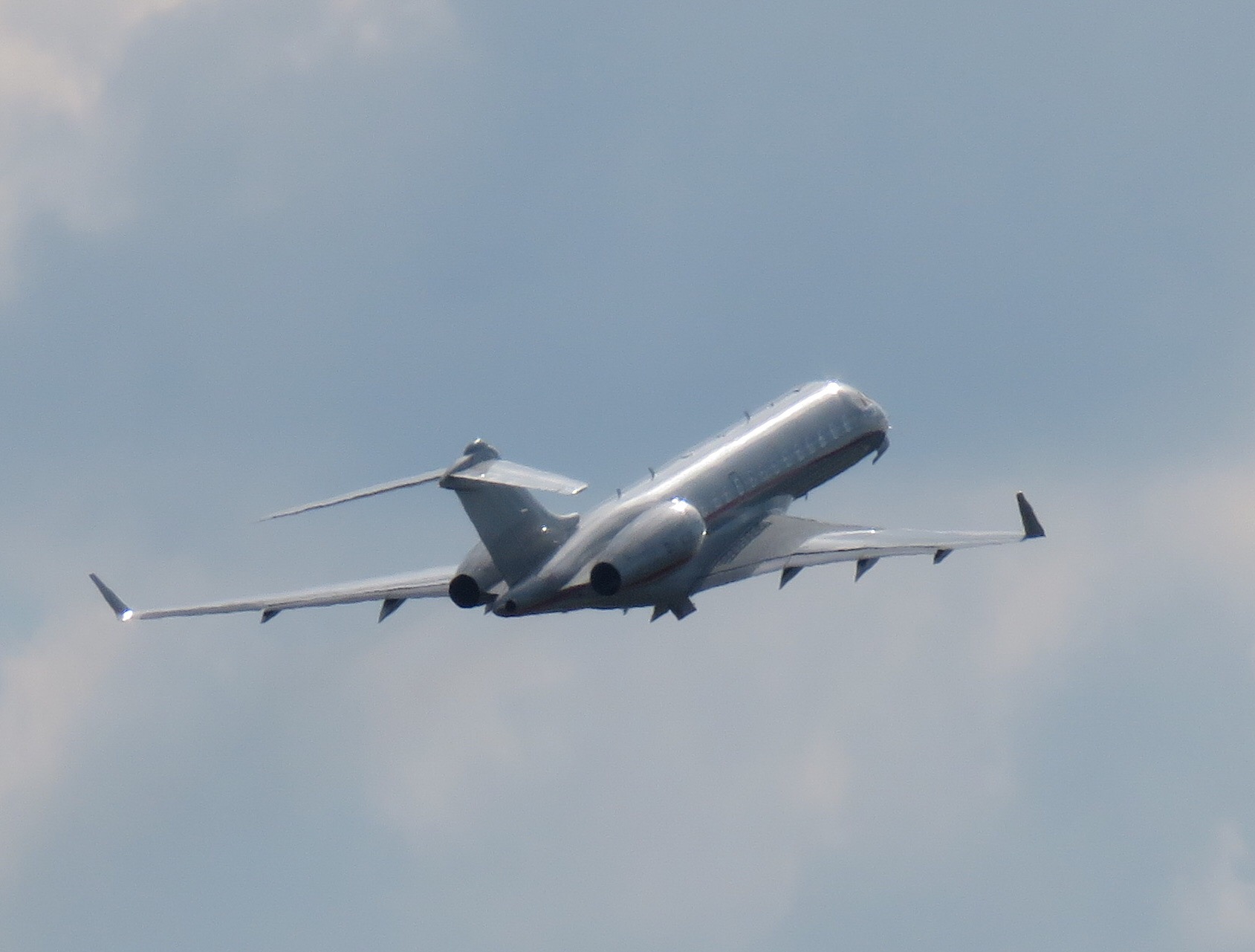
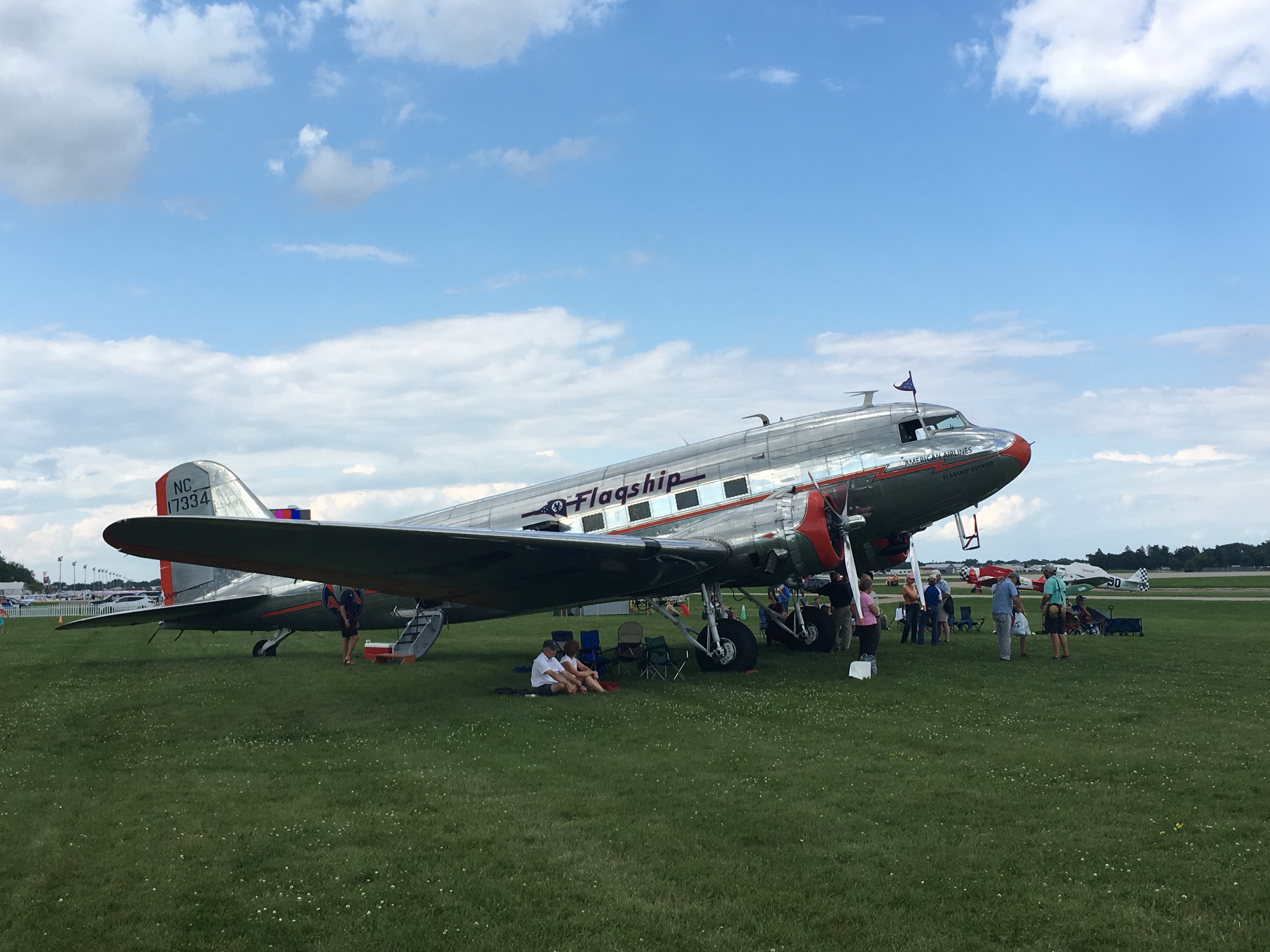 Think back for a moment to what aviation was like 60 years ago. The DC-3 was a common sight and the Boeing 707 was brand new. Passengers could be accompanied by their families all the way to the gates. TWA, Eastern and Piedmont offered flights at my airport. Things sure have changed a lot since then! Well, except for the terminal. It has had several additions and face-lifts over the years, but at its core it is the same building in the same location as it was in 1958.

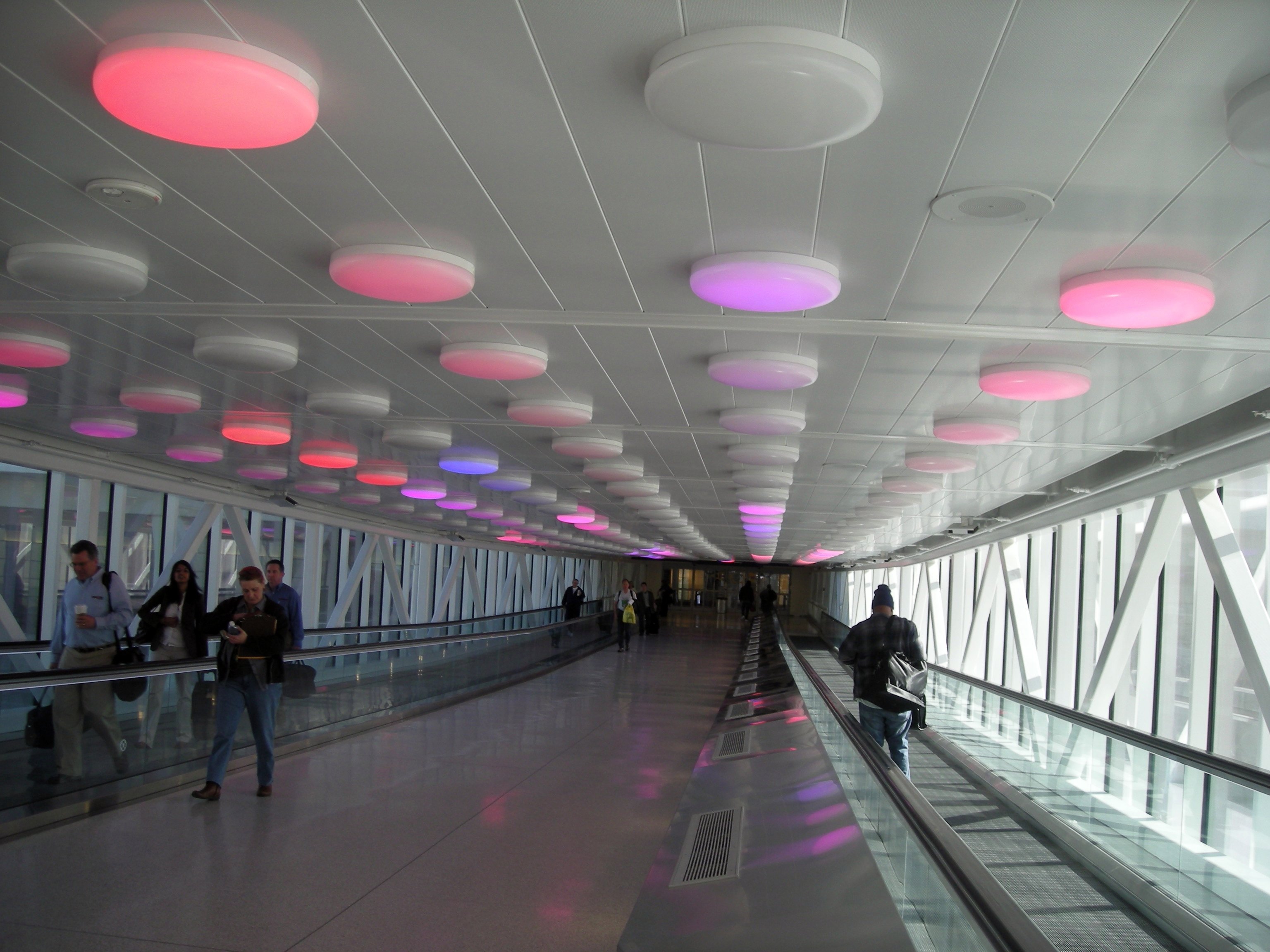


 Can you believe I’ve been working at the airport three years now? Three years! Three years of stalking airplanes. Three years of fighting the urge to ride around on the baggage carousel. And three years of being taunted by several sets of mobile stairs which have been parked outside the department window the ENTIRE time!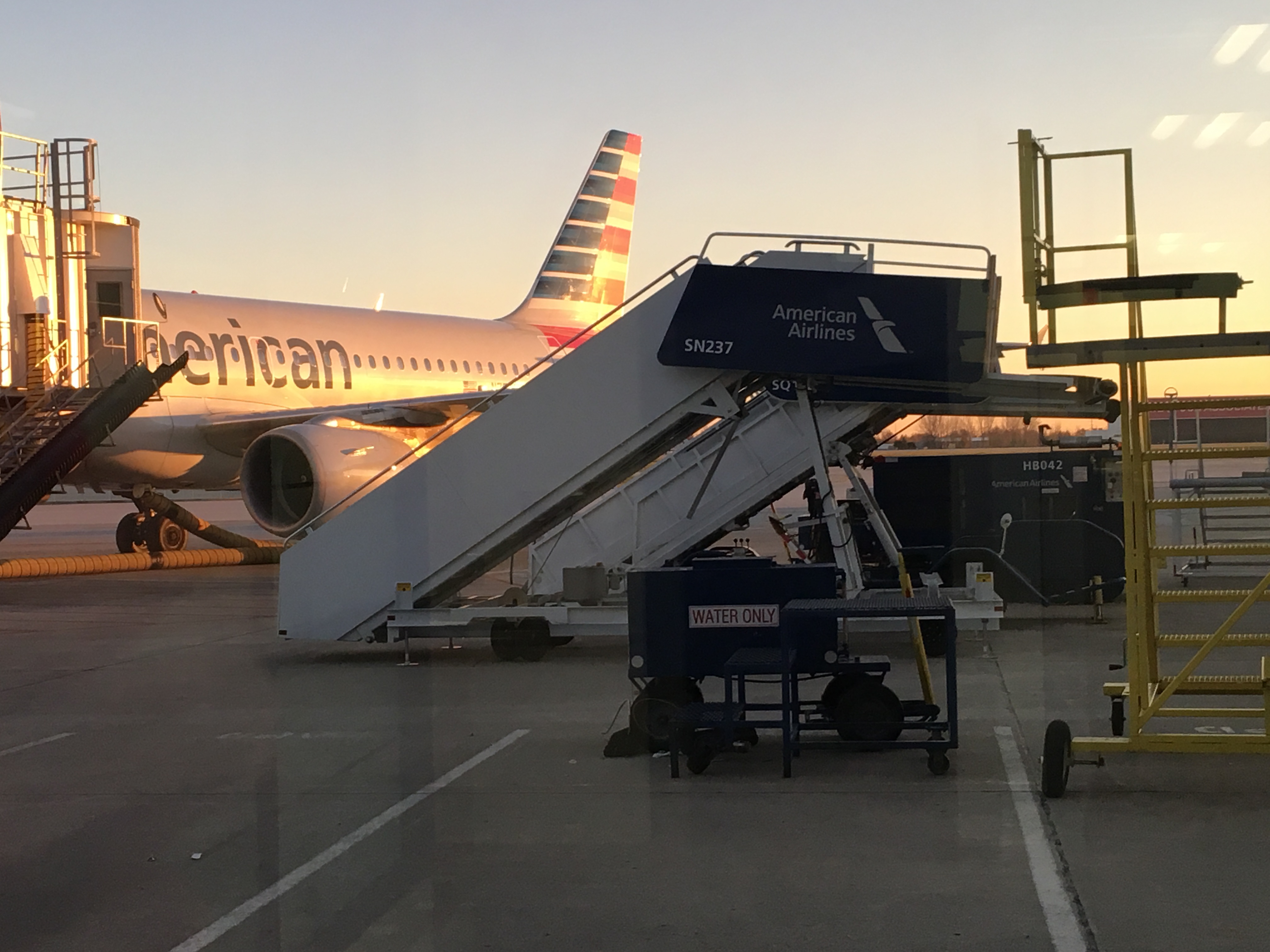
 But work has become a bit challenging in recent months. There have been some changes which have resulted in an increased workload, just as we head into the busiest time of year. Change isn’t a bad thing, but it can be stressful. And as the amount of work increases, the stress does too.
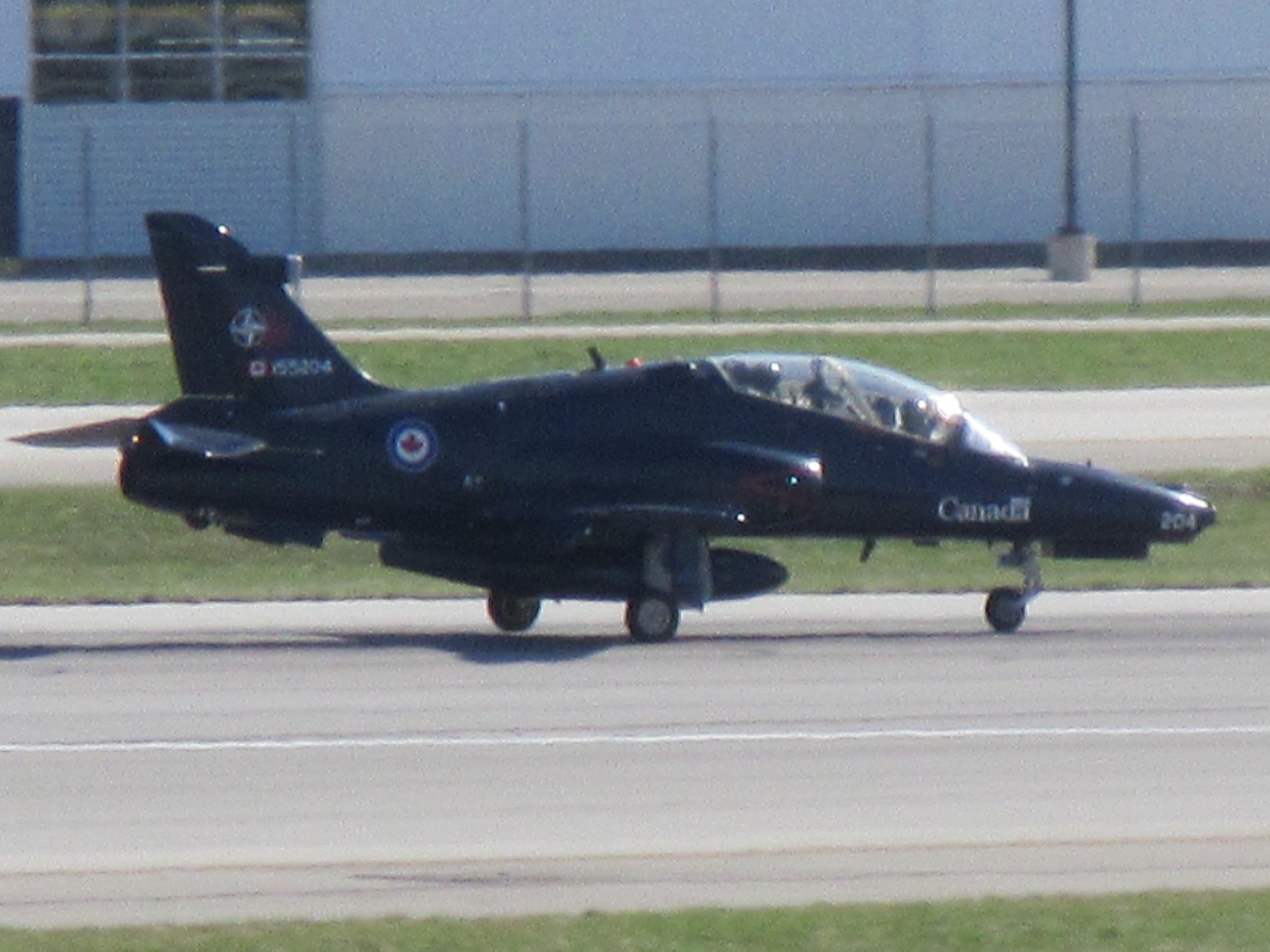
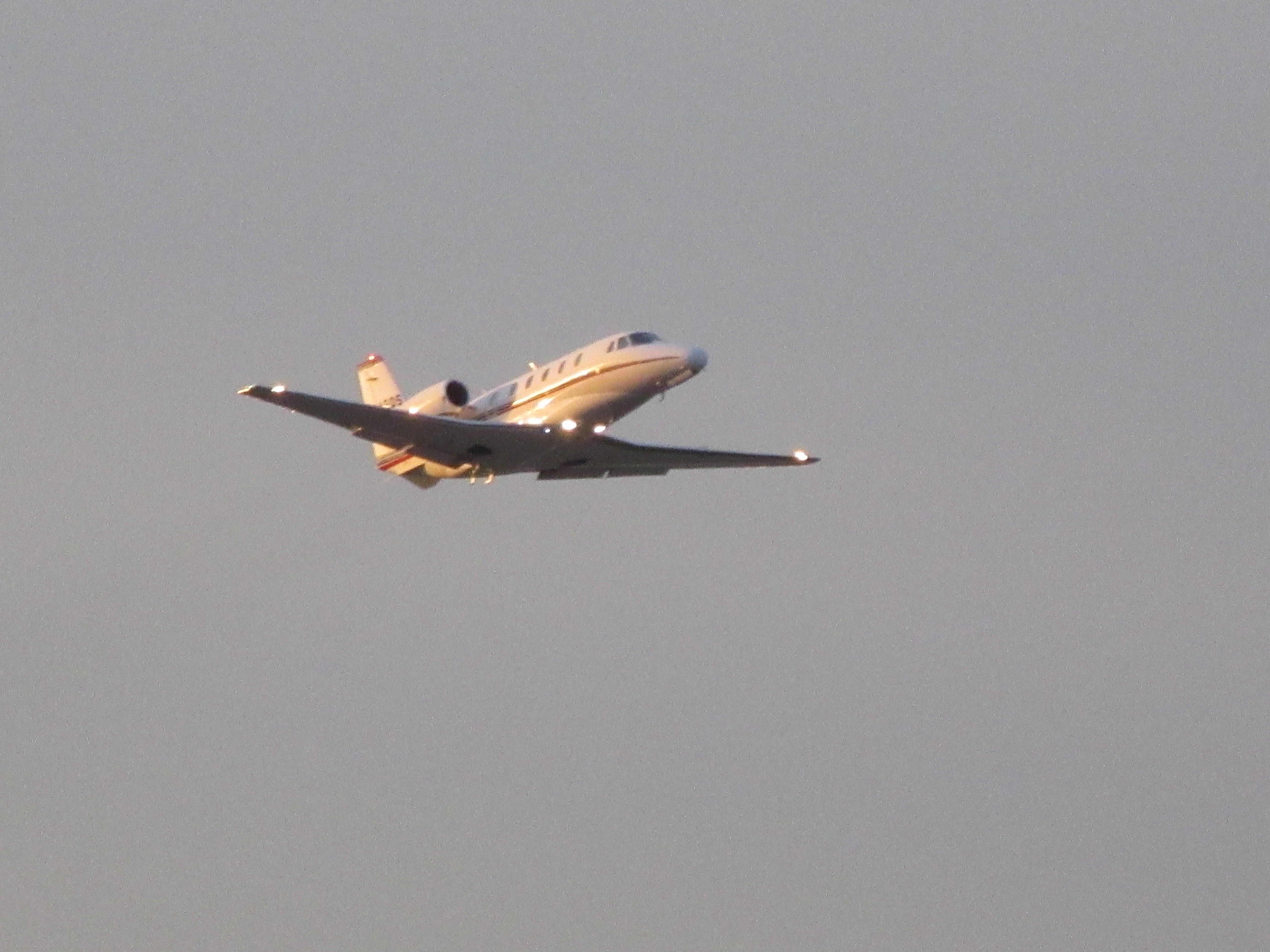 Then my plane spotting began to suffer. I found myself unable to get away from my desk, even skipping lunch sometimes. After work I was tired and just wanted to get home. It came to a head one day when a plane spotter friend texted me that there were two C-130s on the airfield. Two C-130s! Sweet! I really wanted to go see them, but my task list was a mile long and felt like I just didn’t have the time.
 At that moment it hit me. The whole reason I work for an airport is because there are airplanes outside the window. Am I really going to turn down the chance to go see a couple of C-130? Oh. Hell. NO! So I threw on a jacket and up top I went. I saw the Hercs and they were every bit as fantastic as I knew they would be. I thought about all the other amazing planes I have seen this year and I vowed right then and there not to let the work ruin the love. No matter how stressed or busy I am, I will ALWAYS make time for the airplanes. And you know what? Spending my 30 minute lunch break away from my desk doing something I enjoy makes me so much happier and more productive when I get back. The truth is, being stressed at work at an airport is a THOUSAND times better than being stressed at any other job.
 So what’s ahead for the next year? Well, I have an FBO visit coming up. And I’m hearing rumors that we might be visiting the ATC tower in the spring. Plus I’m already dreaming about a return trip to Oshkosh. Who knows what other adventures will come my way. If there is one thing I’ve learned in the last three years, it’s that sometimes the best moments happen totally unexpectedly, and sometimes the ordinary things are the most special.

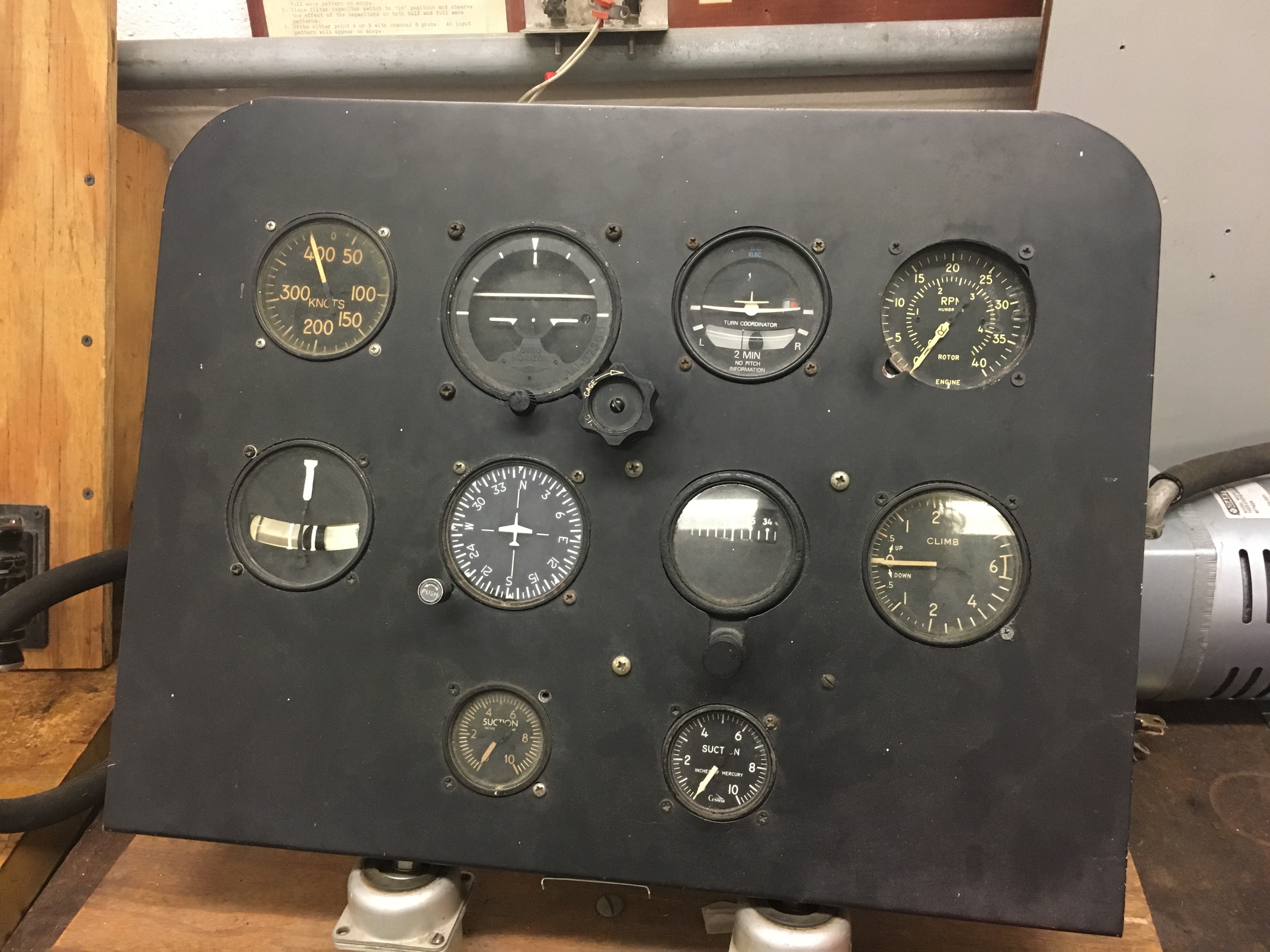


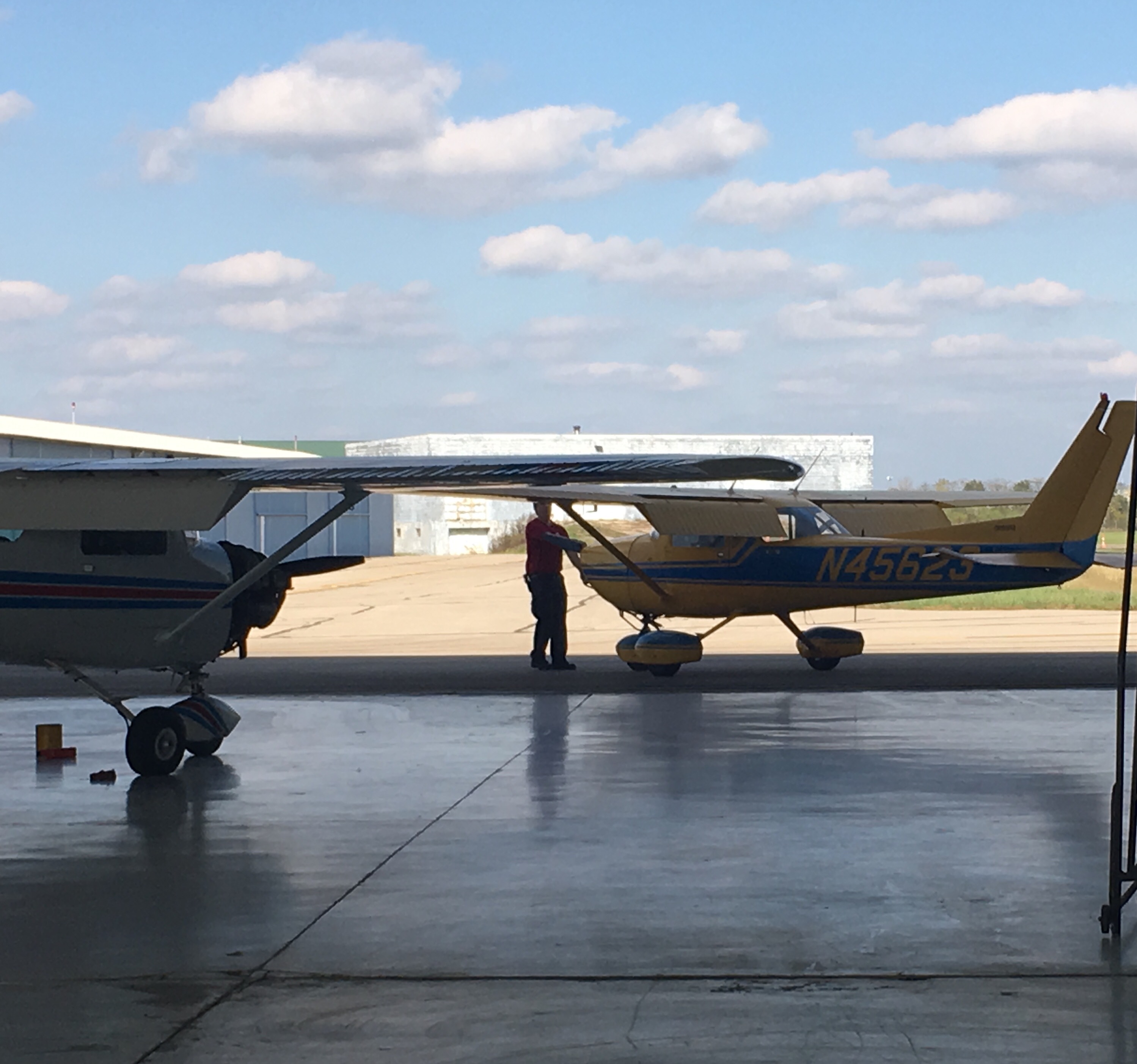
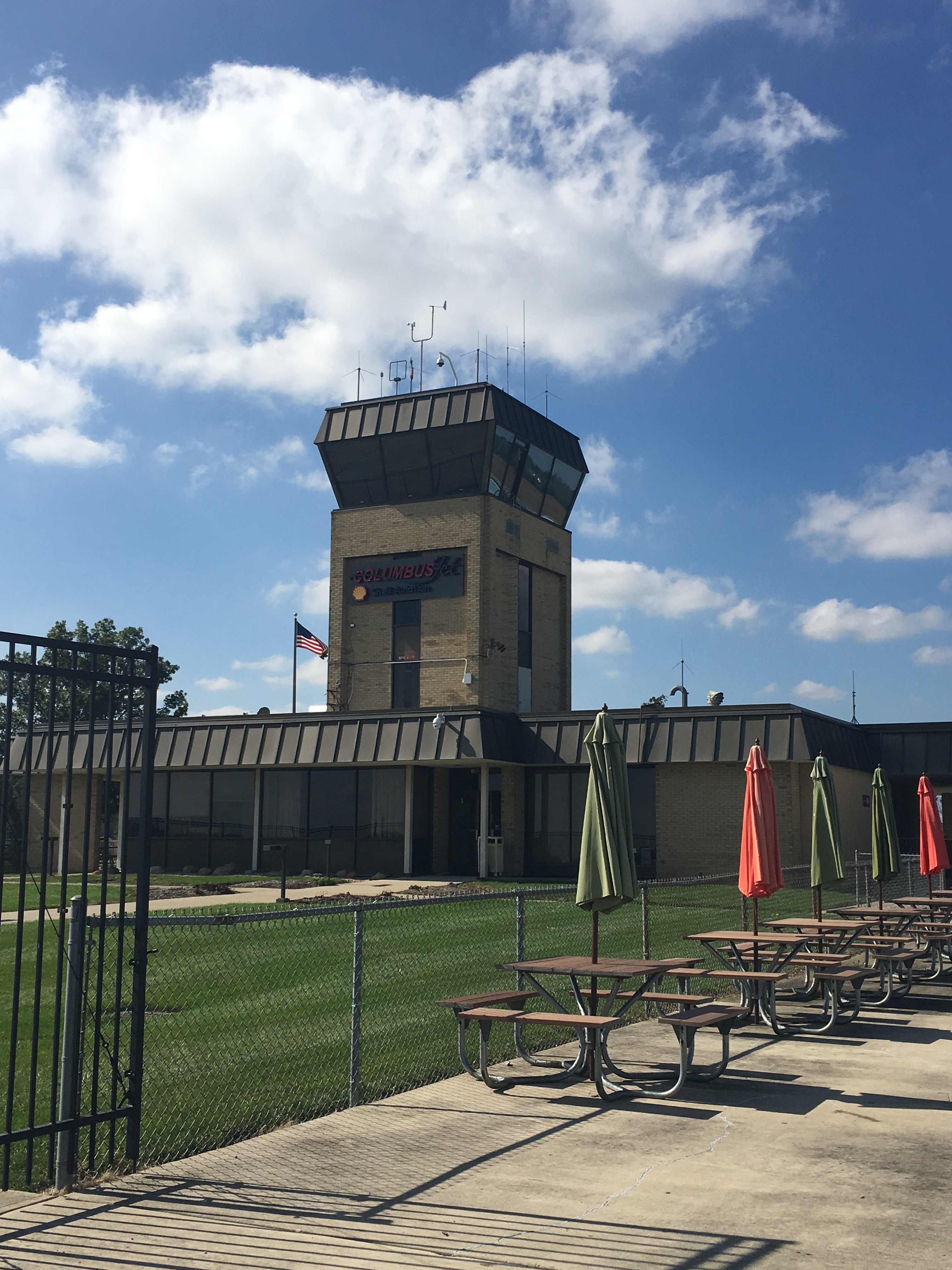
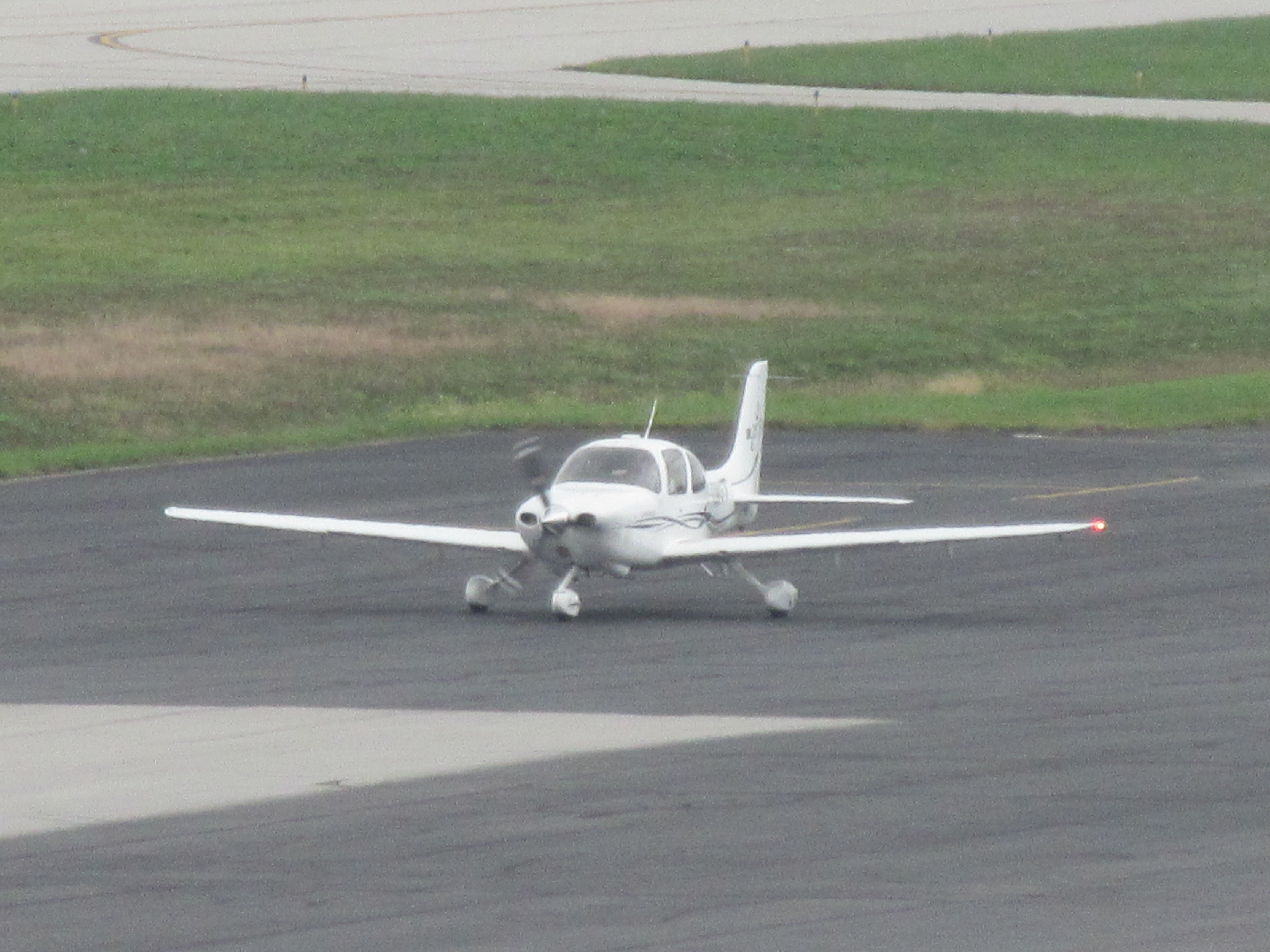
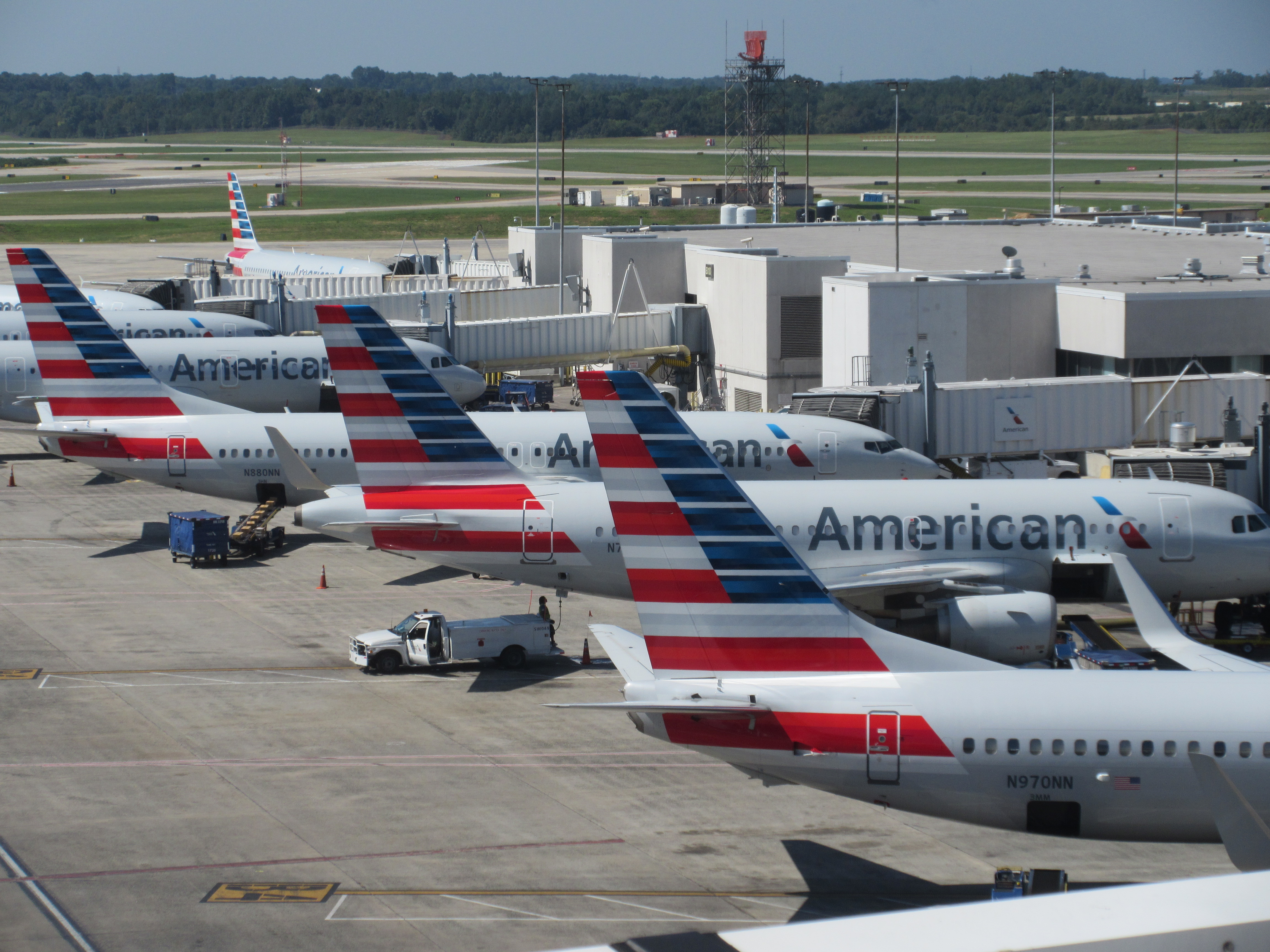 In the United States, National Aviation Day is held on August 19. Here’s how I’ve celebrated at work the last couple years:
 I kicked things off early by parking on the very top level of the garage. No way was I going to pass up the chance to do a little pre-event plane spotting! (And lets face it, if they handed out diplomas for plane spotting from parking garages, I’d have a PhD!) My dedication paid off – I got my very first look at Amazon’s Prime Air 767. Sweet!
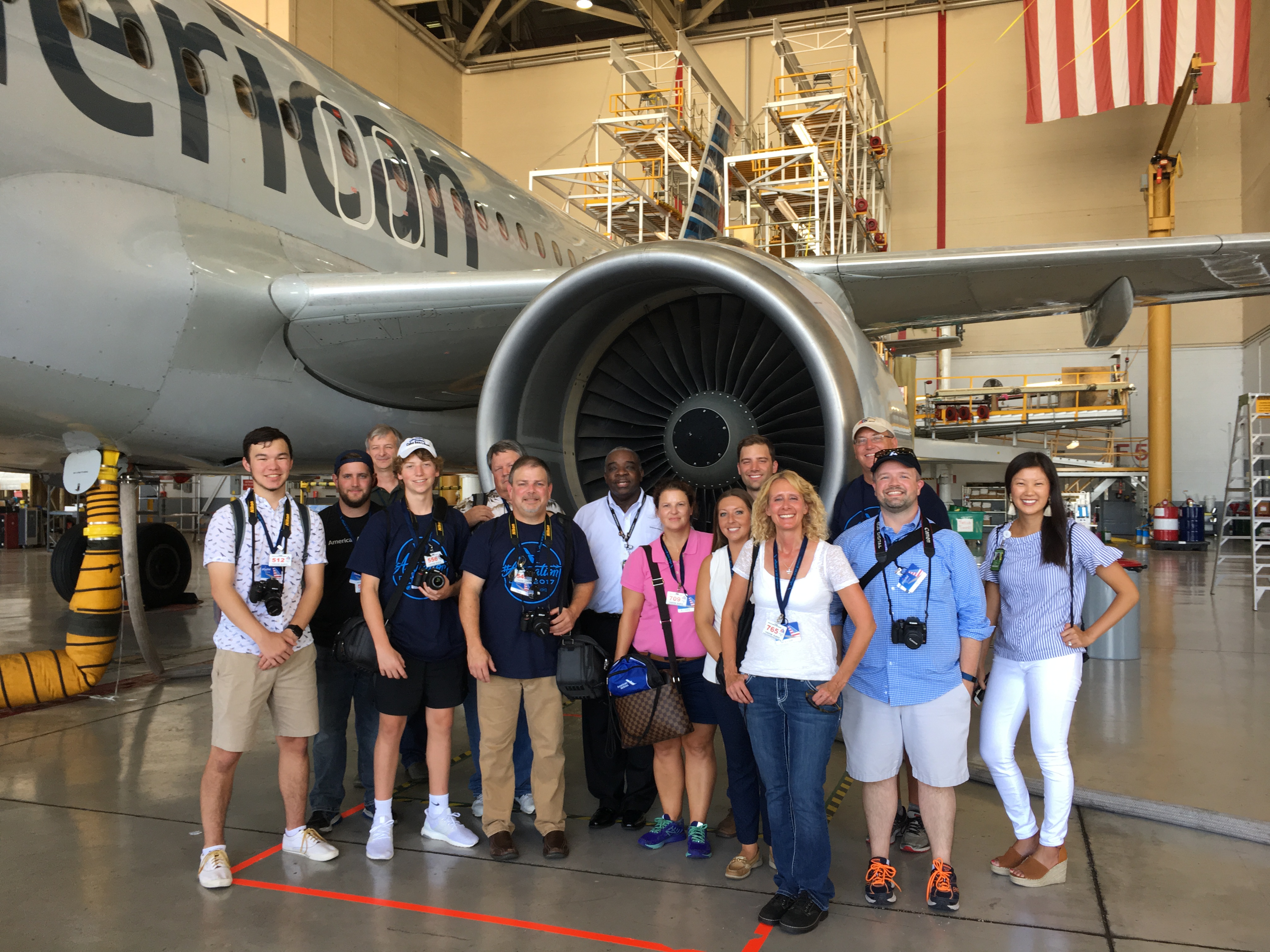
 The tour began with a visit to the Operations Tower. Wow – what a view! And what a lot of computer equipment! The Operations Tower is responsible for all aircraft movement on the ramp. I wish we had a set-up like that for deice pad control in the winter! But then again, the ramp at CLT is a MUCH busier place with 600+ flights per day. We were allowed to wander around the room, examine the different work stations and ask questions. I honestly could have stayed for hours!


 After lunch, the awesomeness continued with a tour of the training facility. We met in a conference room first to learn a little about the training program itself and watch a video about the history of American Airlines. Then we visited the egress training area where Flight Attendants learn how to operate various types of emergency exits. Seeing the cut-away plane interiors was actually quite fascinating. They even had an E145 fuselage (minus the nose, wings and tail).


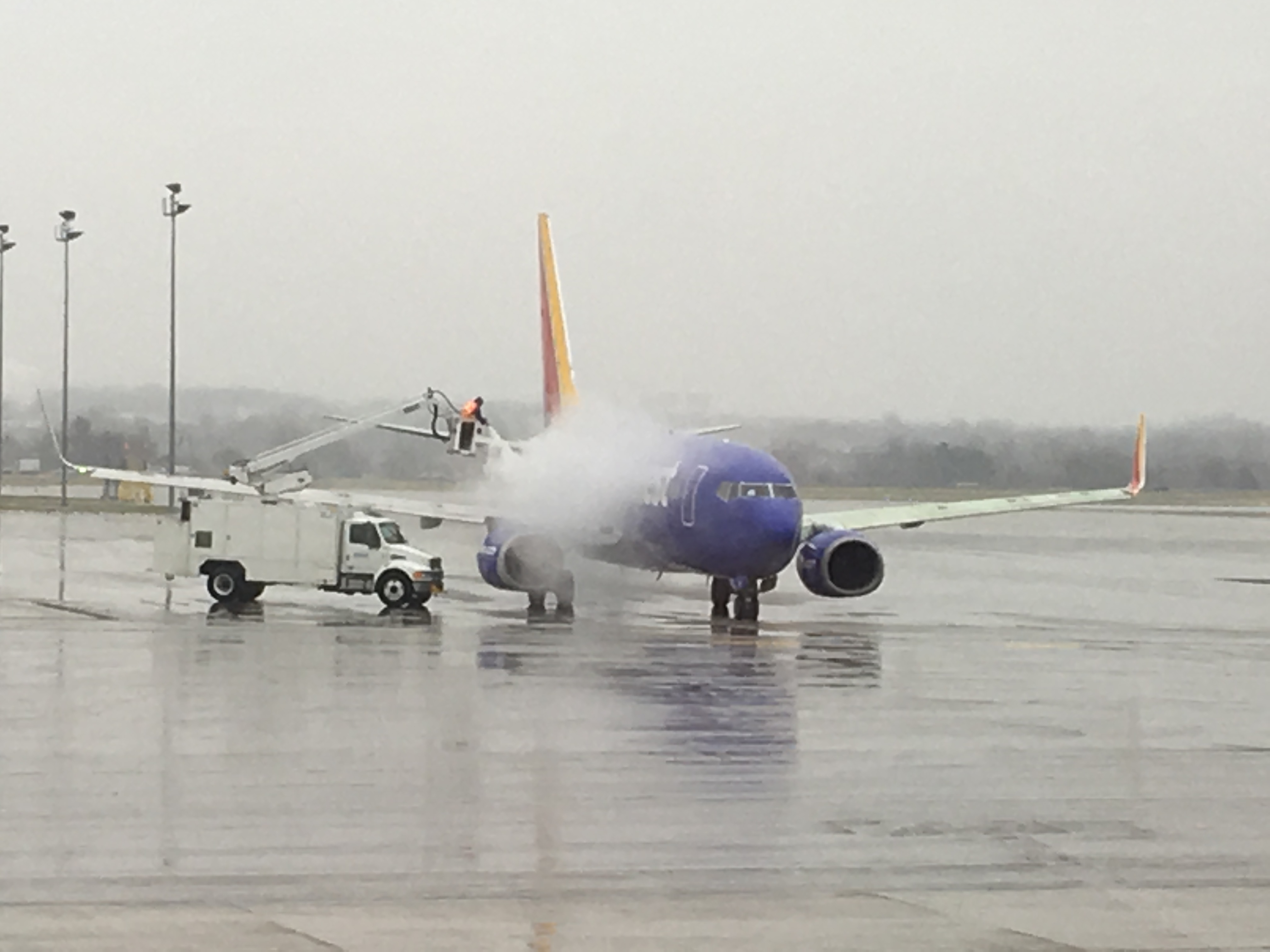
 As those of you who have been regular readers know, this past winter I was given the opportunity to train with the Operations Department to learn how to manage the deice pad. To recap, deice pad management involves being on the deice pad in an operations vehicle and providing taxi instructions over the radio to position planes in the pad. We sometimes also act as a follow-me vehicle and lead planes into the pad. Once in position, the planes are handed off to their deice teams for the actual deicing.
 The lesson began casually enough when my trainer asked, “Do you want to drive?” My out-loud response was a calm, casual, “Sure.” However, as I took the keys to the SUV my internal response was, “OH MY GOD I AM GOING TO ACTUALLY DRIVE AROUND ON THE AIRFIELD WHICH IS COMPLETELY RIDICULOUS AND TOTALLY AWESOME AND IT IS TAKING EVERY OUNCE OF WILLPOWER NOT TO FREAK OUT!”
 He then went over some of the many markings on the ramp and what they mean. The yellow lines bordered in black are the aircraft taxi lines. He told me not to follow them because they would lead me to places I shouldn’t be. Like active runways. Yikes! He had me drive straight out towards one of the taxiways which, I must admit, was a little disconcerting. Hello – aren’t we supposed to be avoiding airplanes? However, before we actually got to the taxiway he had me stop and he pointed out markers on the pavement. He explained that this is as far as we are allowed to go. We cannot cross that line without clearance from ATC. OK – good to know!
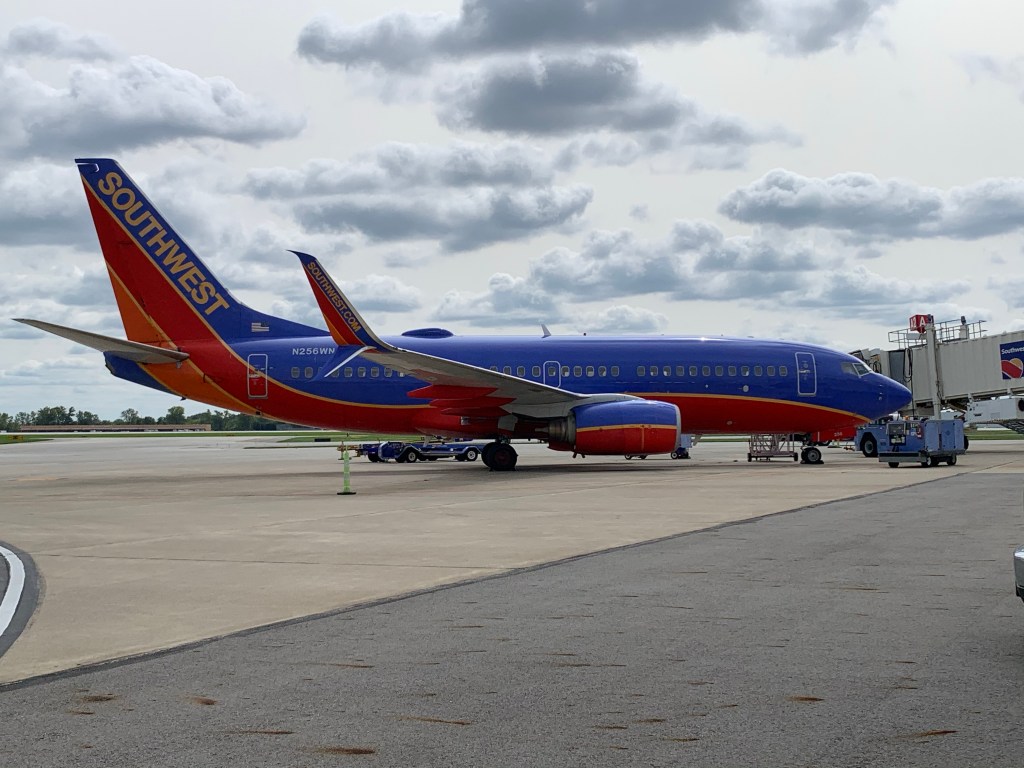
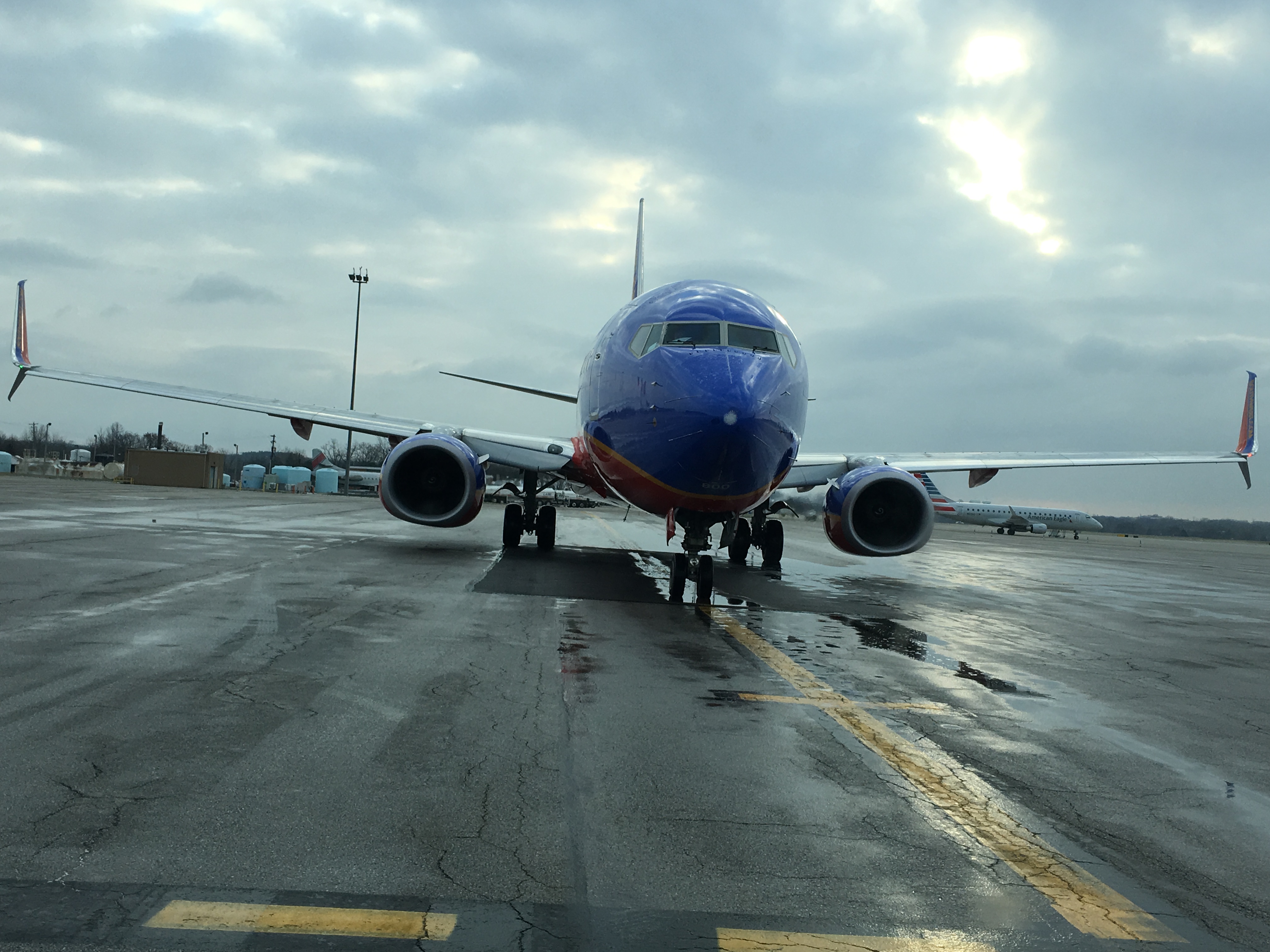 I then spent time getting familiar with the drive lanes and where the deice lines are, as well as the best places to sit with good line-of-sight for monitoring activity on the pad. And did I mention we were directing planes this whole time? Well actually, my trainer was. I figured since it was my first time behind the wheel, I should focus on driving. Once the basic instruction was completed I was on my own to decide where to go and when. Sometimes I parked along the back of the pad. Sometimes I sat on a line just in front of the t-stops to be a visual reference for pilots so they could see where to position. An added benefit of this is it gives you some really awesome photo opportunities. Which my trainer got to enjoy because I was driving. Doh! At one point we paused to take a pic of a Southwest plane, only to realize that someone on the plane was taking pictures of us!
 The sad truth is, it could happen anywhere. Check out
 The only airport I have visited with an official viewing area is CLT. It is perched on a hillside overlooking the center runway and it is one heck of a busy place! When I was there the benches were almost always filled with people of all ages. Not only do they get to watch airplanes take-off and land, but they get a chance to see what goes on behind all those tall fences.
 I realize that creating public viewing spaces or organizing community events isn’t easy. Airports are tasked with the very important responsibility of ensuring the safety of travelers. This can be extremely challenging. Additionally, space at airports is often at a premium. It can be difficult to find room for viewing areas or playgrounds. But I think the potential reward is worth the hassle.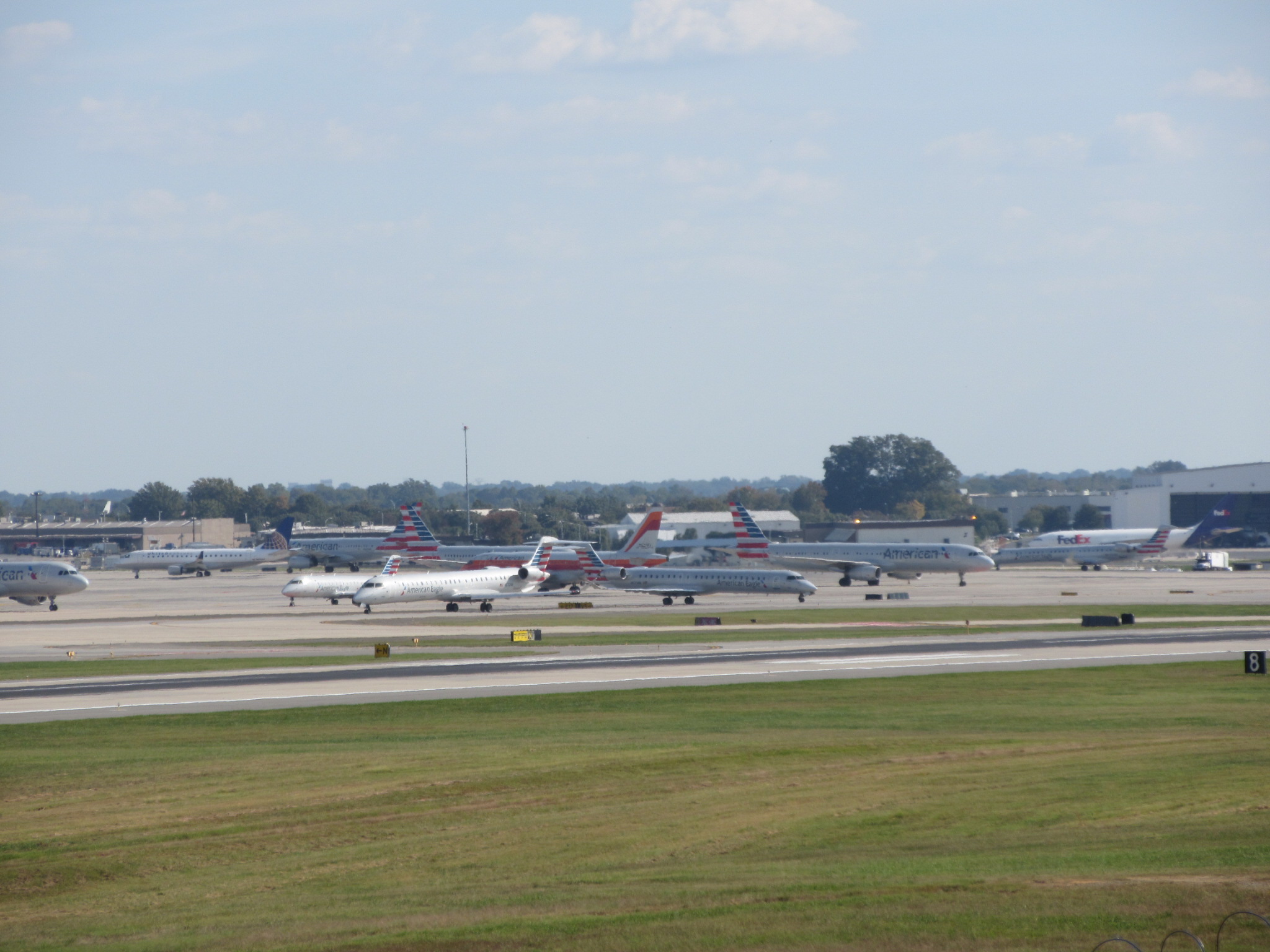
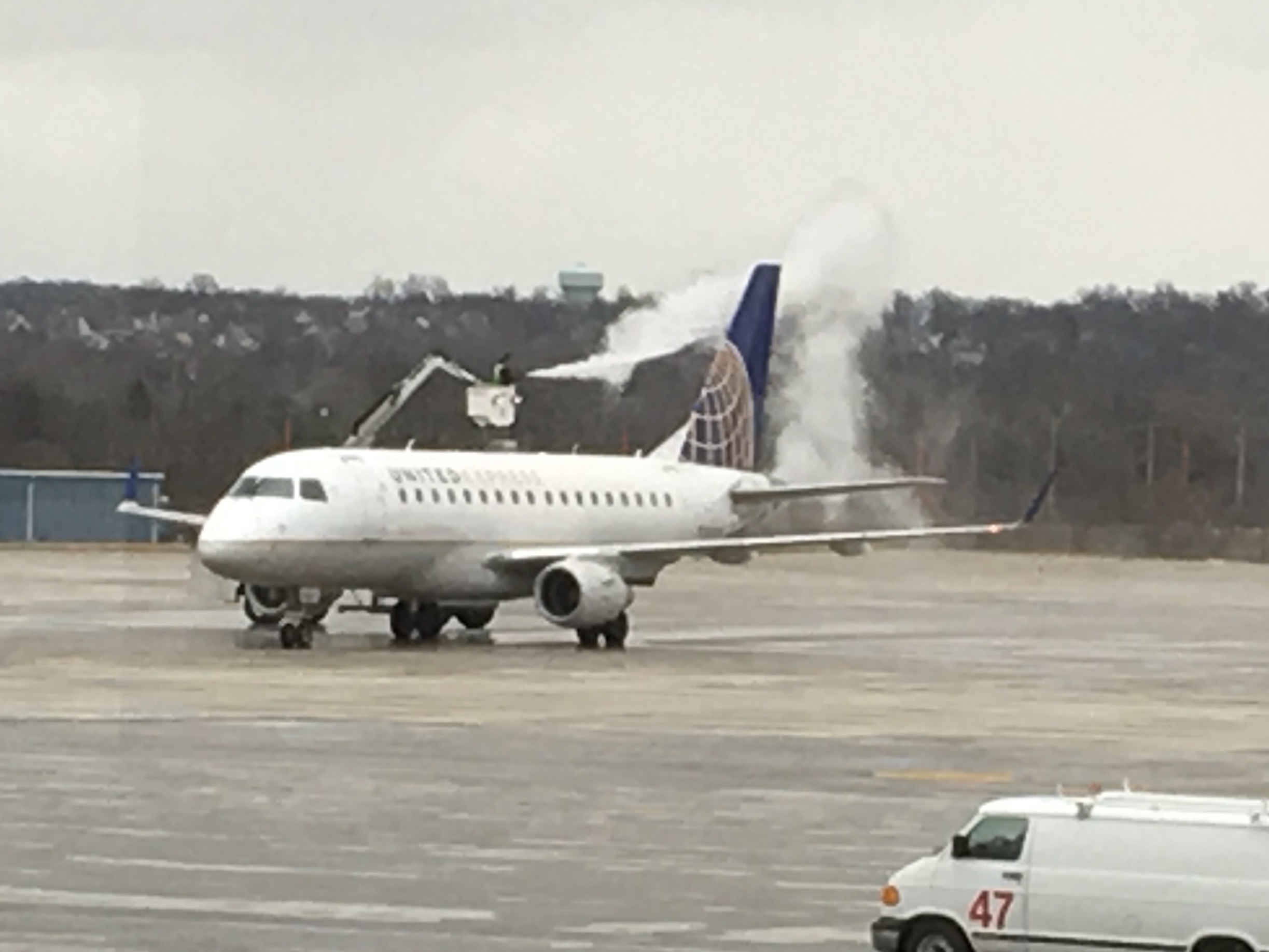 As you may recall, I have been training to help the Ops Department manage the deice pad on frosty mornings. This process involves driving around in an ops vehicle, giving taxi instructions on the radio, keeping a log of all the traffic through the deice pad and acting as a follow-me when needed. If that sounds like a lot to learn, it is! At this point I’ve gotten pretty good at telling the different RJs apart, I’ve memorized the call signs and ICAO codes for each airline and I can successfully manage the log. I’ve ridden along and watched the deice pad management process enough times now that I have a decent understanding of how it works. So what’s the next step? Talking on the radio.
 Say What???

 Tales from the Terminal