How the Spirit Bankruptcy Impacts Airports

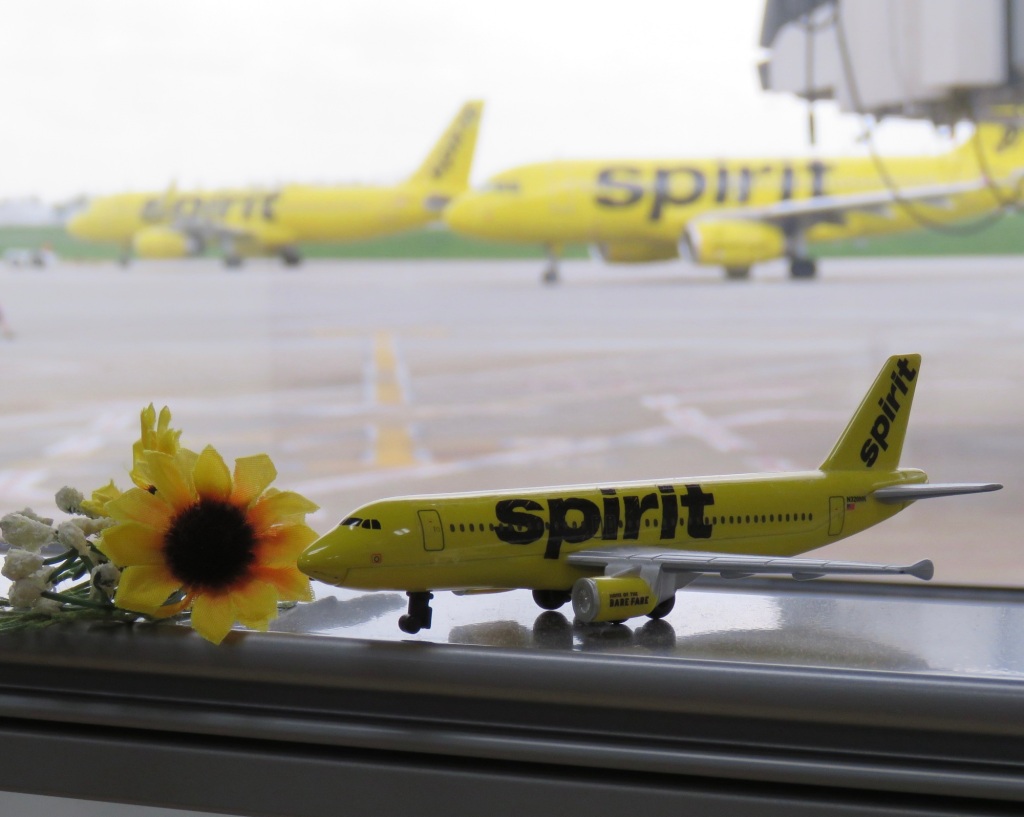
Spirit Airlines announced on November 18 that they have filed for bankruptcy. While the airline will continue operating as usual (for now) the filing will give it an opportunity to restructure its debt and improve its operations to (hopefully) be more profitable. This will have a big impact not just on Spirit, but on all the agencies and businesses that work with Spirit, including airports.

Before I dig into the airport side of this equasion I must first issue my usual disclaimer: every airport is different. Fee structures vary. Spirit may be a major player at some places and a bit player at others. As a result, how an airport is affected will vary.
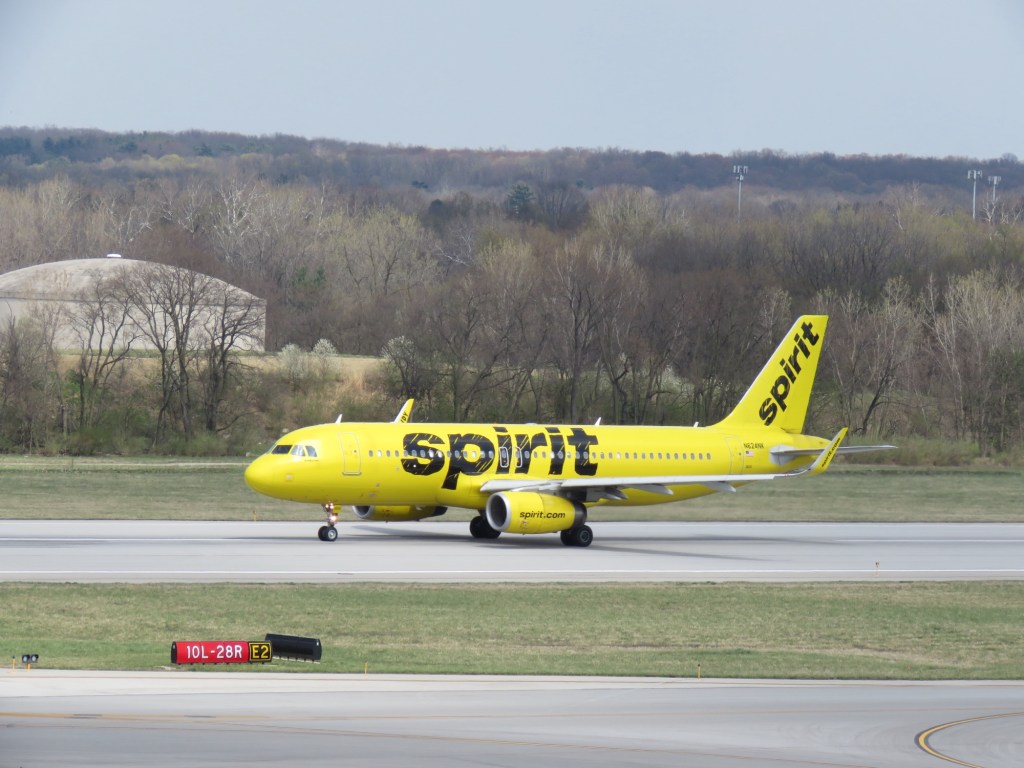
At the airport where I worked, Spirit is a signatory airline. This means that they have signed an agreement to rent a certain amount of space (ticket counter, hold rooms, baggage areas, gates, etc.) for a specific number of years (I believe 5). In exchange, Spirit is given lower rates for things like landing fees, parking, terminal use, etc. Non-signatory airlines don’t sign contracts, but their rates are higher.

I dealt with multiple bankruptcy filings during my years in the industry. If I was still at the airport today, here’s what would happen once I receved the official bankruptcy notice. First I would record the date in the airline’s file. The date is important because no collections can be done on any open invoices from prior to that date. For this reason I paid close attention to airlines that were struggling financially. I would try to get them to bring their accounts as current as possible. The airport will only collect pennies on the dollar for each open invoice once bankruptcy is filed so the smaller the balance due, the less money the airport will lose.
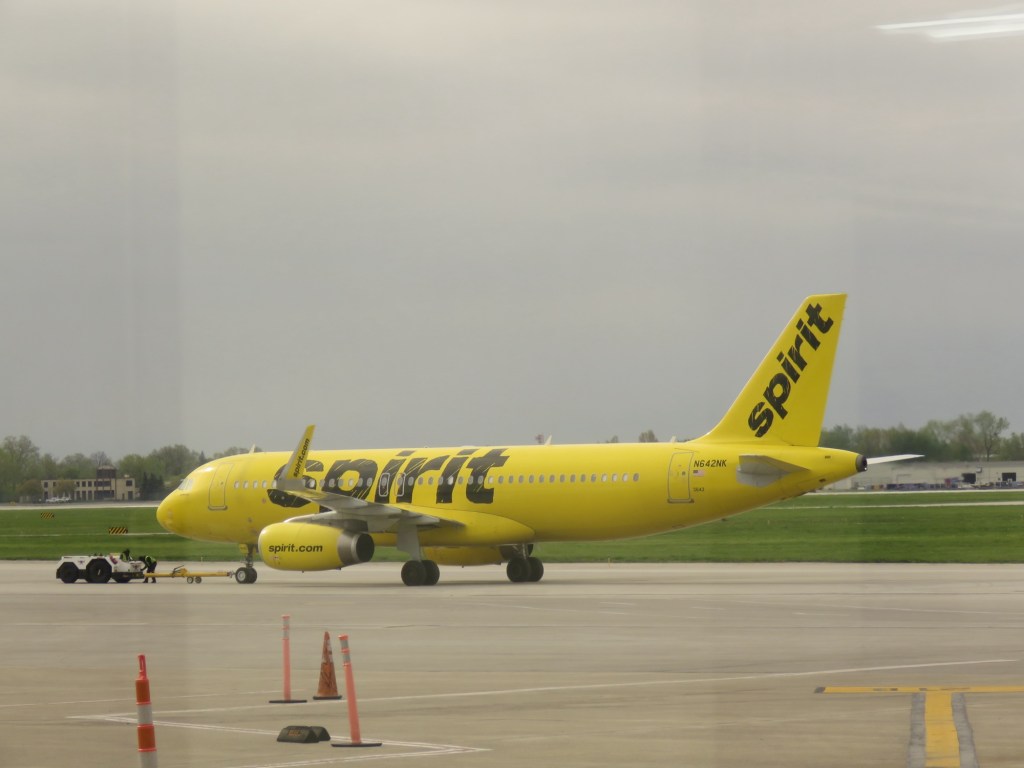
The next thing I would do is send the bankruptcy notice to the legal department and copy the CFO. The legal team will eventually have to submit a list of all the airline’s outstanding balances to the bankruptcy court, so I would also send along a statement of account, as well as an estimate of when I expect all billing for the pre-bankruptcy period to be completed.

Several types of billings, like landing fees and fuel charges, are entered a month behind. Normally I would bill all the month’s landings together one one invoice, the month’s fuel on another invoice, and so on. However, when there is a bankruptcy I’ll enter two invoices – one for landings, fuel, etc that happened prior to the filing and another for items post filing. It is more work but it is cleaner. (I forgot to do this when Swift filed bankruptcy and they only paid the second part of their landing fee invoice. That left me with half an invoice hanging around. Ugh! Messy!)

Once everything has been billed I would then send a complete list of open invoices to the legal department for them to file with the court. I would also do a journal entry (fancy accounting magic) to record the total amount as a doubtful account – meaning it is money the airport is owed that it probably won’t get. The pre-bankruptcy invoices will eventually be written off to bad debt.

Filing bankruptcy should allow Spirit to renegotiate their contracts. The previous bankrupties I’ve handled were for non-signatory airlines so there were no contracts involved. However I can make some educated guesses about what Spirit’s options might be.

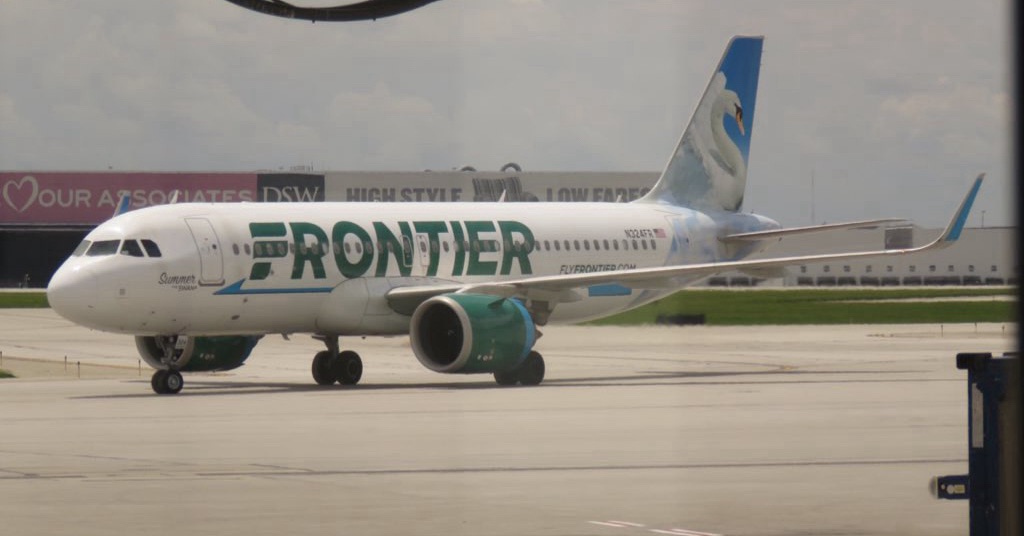
They could cancel their contract altogether and leave the airport. As of September 2024 they have seen an increase of nearly 200,000 passengers over the prior year. That translates to an increase of around 40%. That’s more growth than any of the other airlines. That’s way better than Frontier (a former potential merger candidate) who has actually had a decrease in passengers this year. Based on their growth I suspect Spirit will choose to stick around.
Another option would be to amend their contract by reducing the amount of space they rent. They could also assess their gate usage to see if there are any savings to be had. (They currently lease a single gate but they often pay extra to use an additional gate. Depending on how much they use the additional gate, leasing it might be cheaper.) One thing they probably can’t do is ask for reduced rates. The airport fees are calculated based on what it costs to run and maintain the terminal and the airfield. Those costs are fixed so there isn’t much wiggle room on the rates.

How much is all this going to hurt the airport? Well, Spirit accounts for about 9% of the airport’s total passengers, so the impact won’t be as bad as it would be if American or Southwest filed bankruptcy. However, the airport is planning to break ground on a new terminal next year. This is a big and expensive undertaking so every penny counts. Whatever they lose on unpaid bills this year will hurt, but ultimately they may be more concerned about Spirit’s future, whether they plan to stay and what the impact would be if they cease to operate.

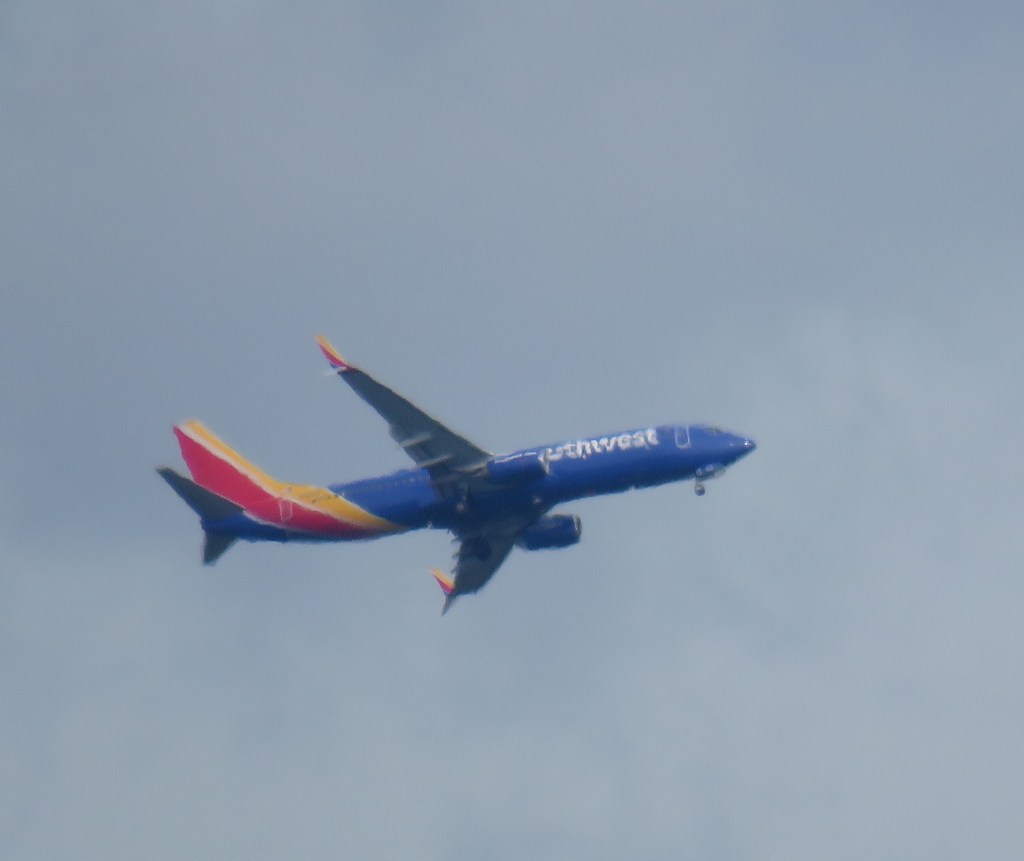
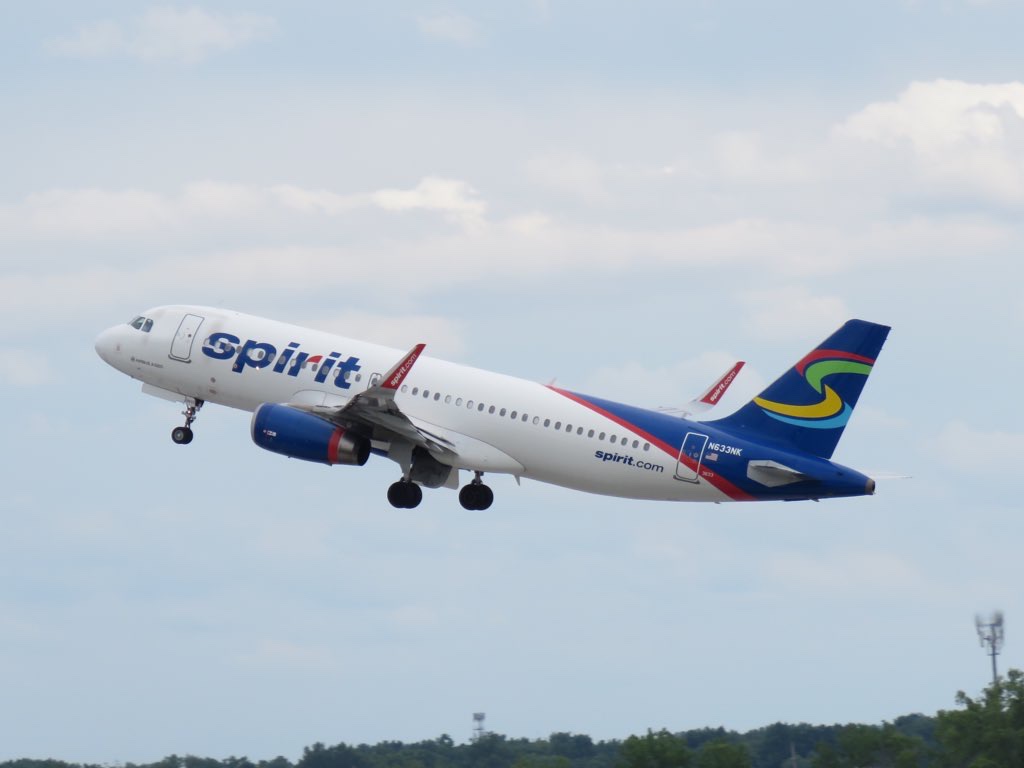
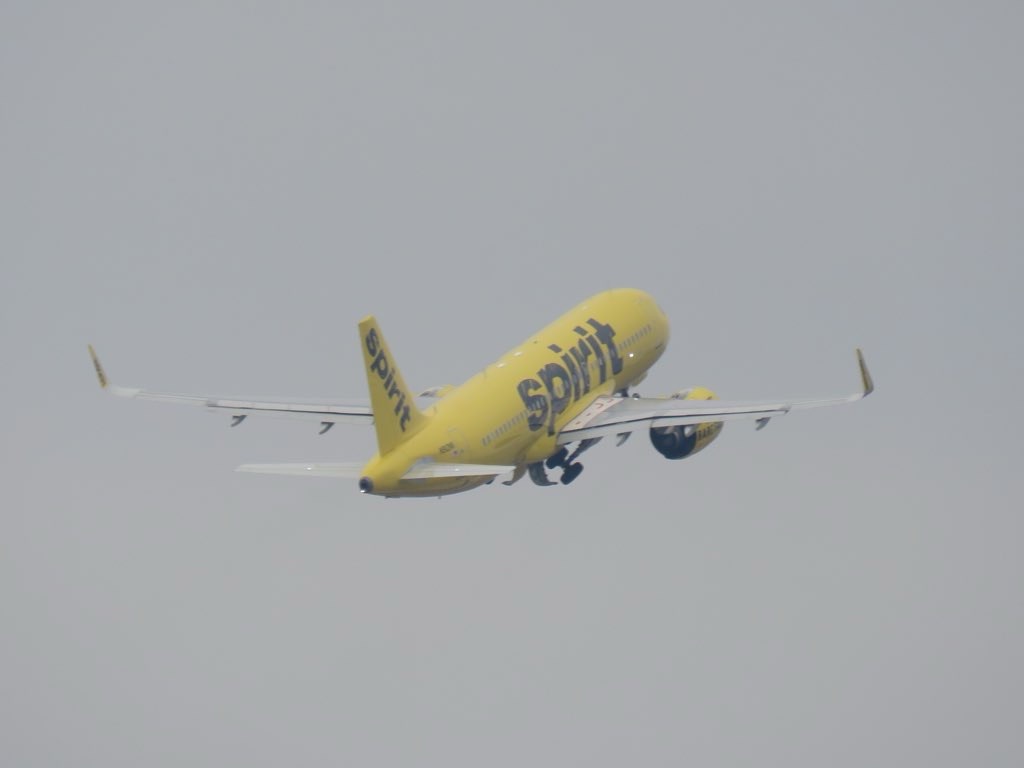
I truly hope Spirit can pull through this and emerge stronger and better. Past experience is a bit of a toss-up – some airlines improved and contiued to operate while others floundered and eventually folded. To be safe I recommend you get those pictures of Spirit aircraft now while you still can!
Attention in the Terminal!

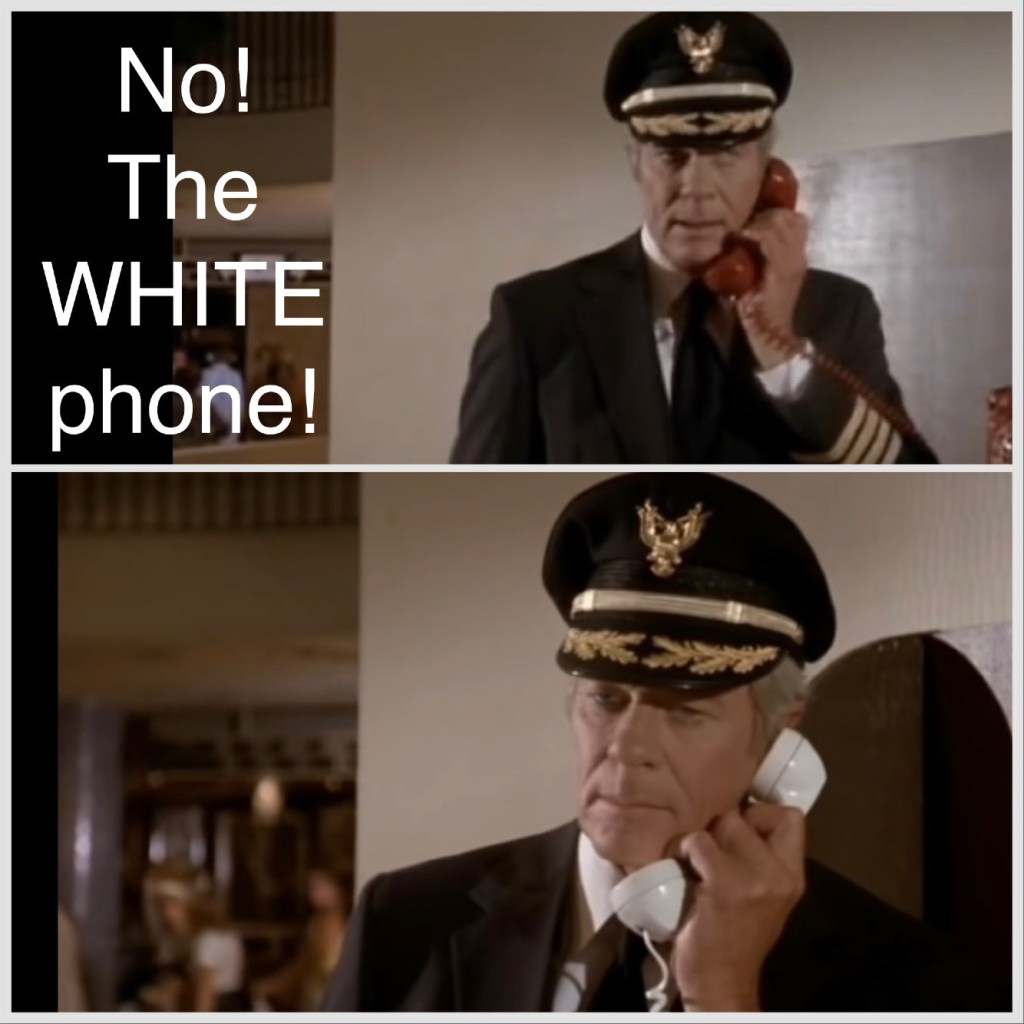
Except where noted, all photos in this blog are stills from one of the best aviation movies of all time – Airplane!

If you have followed this blog for any length of time then you know that there are certain things at the airport I shouldn’t be given access to. The ATC tower, for example. If I could go up there whenever I wanted then I’d show up unannounced, commandeer a desk and refuse to leave. Some of my coworkers have clearly caught on, which is why the stairs trucks continue to be off-limits. But there are some co-workers who remain blissfully unaware.

A few months back there was a notice in the weekly staff email that the Customer Service Department was looking for volunteers to help them re-record the airport public announcements. You know the ones – they remind you not to leave bags unattended and to have your ID ready before you get to the checkpoint. We’ve had the same PAs for a very long time so the decision was made to refresh them.

I considered signing up. I mean come on – who doesn’t want to record airport PAs? I’ve been secretly plotting to access the system and page Captain Oveur for years. (And if you don’t recognize the reference then you haven’t seen the movie Airplane!, in which case we can’t be friends.) Unfortunately my job has been ridiculously busy and I completely forgot all about this golden opportunity until well past the deadline.

Then a couple weeks ago the fire alarm went off. This is not an unusual occurence – sometimes little kids escape from their parents and pull the alarm, sometimes one of the restaraunts burns someone’s lunch and sets off the smoke sensors. Any time the alarm goes off we are required to leave the office and stand out on the ramp near the tug drive. My coworkers congregated in groups. I hid myself around the corner where I could avoid small talk and watch airplanes.

But then I saw the Customer Service Manager waking my way. She said hello and asked how I was. Then she asked if I would be interested in recording some of the airport PAs. They had gotten several volunteers, but she was hoping to get someone from accounting. Of course I agreed to help out. I mean, we can’t let the accounting department go unrepresented, now can we!

The next day I got an email with a copy of the annoucements and a request to select a time slot to do the recording. I selected one of the last slots available. I then reviewed the verbiage I’d be required to read. *Yawn* Airport announcements are pretty darn boring. There has got to be a better way to remind people about all the things they should probably already know. “Yo! Listen up people! Keep an eye on your bags. Don’t take guns through the checkpoint. Find your ID. And for the love of God find your kids so they don’t pull the damn fire alarm again.”

One week later I showed up at my appointed time with a print-out of the announcements in hand. The Customer Service Manager was there. So was a tech who was in charge of the recording. They sat me in front of a microphone and explained that when I was ready the tech would start the recording, wait two seconds to capture the background noise, then he’d point at me to begin speaking. We would go through the announcements in order, beginning with the one about unattended bags and ending with the one about curbside lanes.

Things went pretty smoothly. The tech pointed, I read and we made small talk between takes until the tech was ready for me to read the next one. We worked our way through the list until we got to the last one. The curbside annoucement is supposed to be about lanes being restricted and unattended vehicles being towed. But I didn’t read it. Oh no. I was not about to pass up an opportunity to make the announcement I’ve waited my whole career to make. I took a breath, waited for my cue, leaned in to the microphone and said:

“The white zone is for immediate loading and unloading of passengers only. There is no stopping in the red zone.”

I watched the Customer Service Manager out of the corner of my eye as I was speaking. She looked confused. She checked the paper with the announcements. Then a look of recognition dawned and she began to laugh. Then the tech began to laugh. And by the end, I was also laughing. Bucket list item – complete!

Of course, I had to go back and record the actual curbside announcement. However, the decision was made to save the white zone announcement too, although I’m not sure what they plan to do with it. If you ever fly through a medium-sized midwestern airport late at night and hear an announcement about not stopping in the red zone, you aren’t imagining things. And if you need to use a courtesy phone, be sure to use a white one.

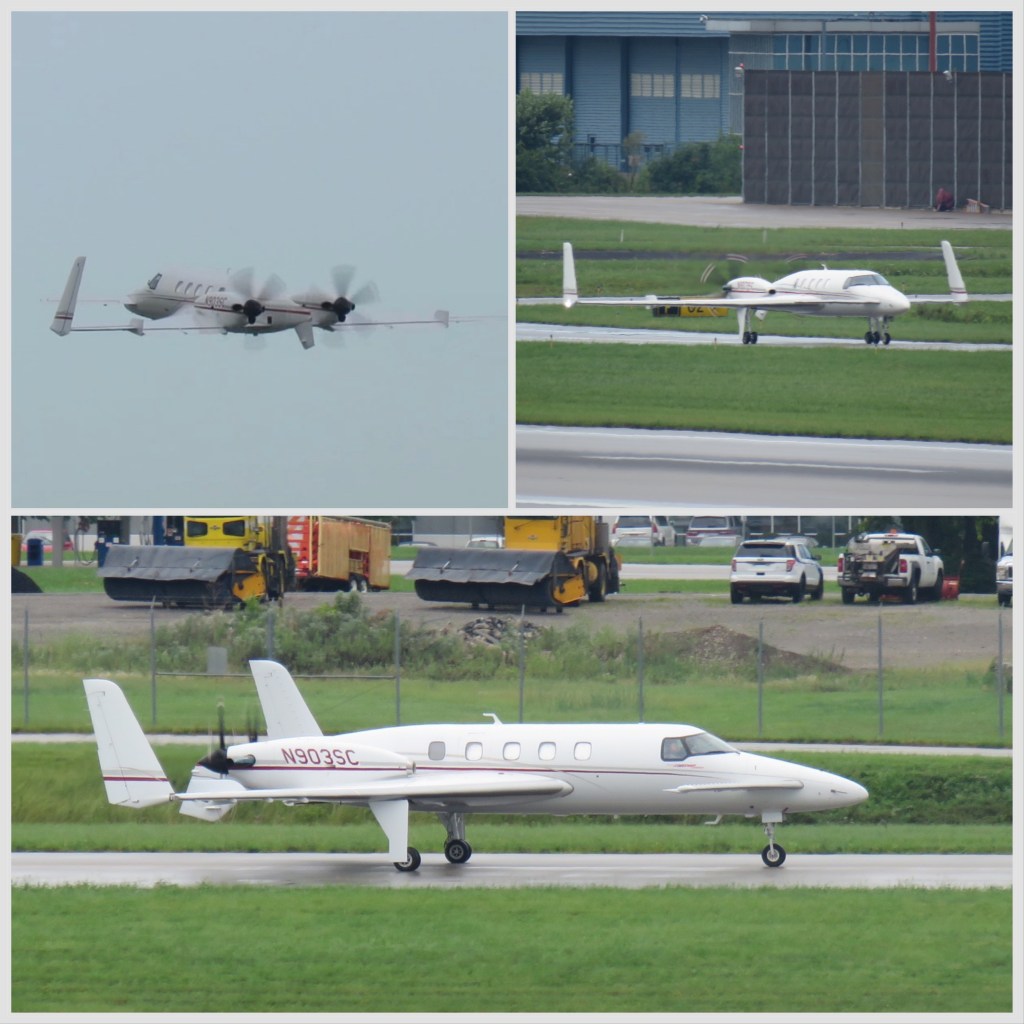
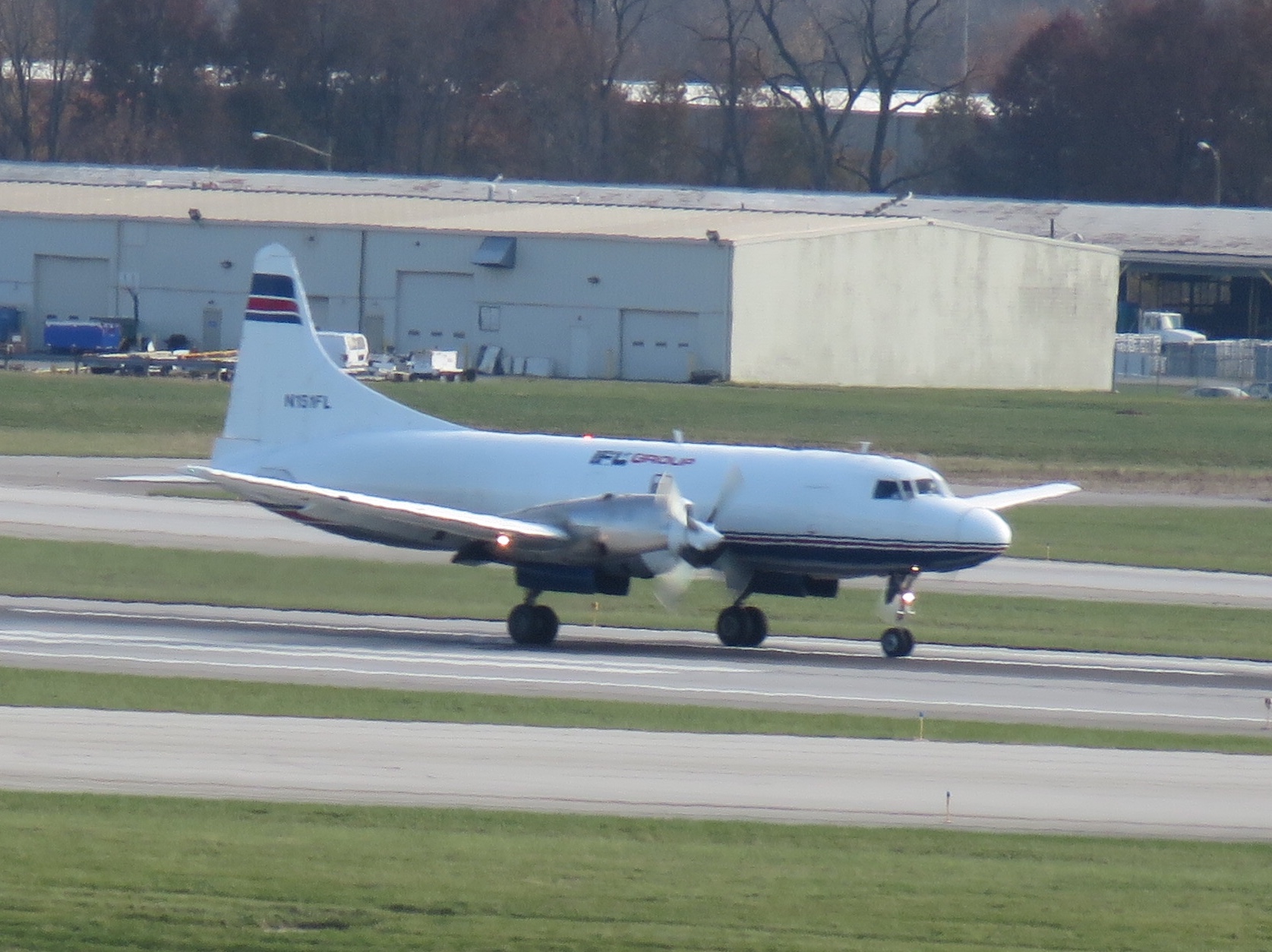
A Starship stopped by recently. So glad I happened to be watching when it left.

ATC Zero

From zero to hero.

On a recent Thursday I found myself with a few minutes available for plane spotting after work. I knew that United’s Star Alliance livery had landed earlier, so I pulled up Flightaware to check the departure time. The first thing I noticed was that there were a lot of planes in holding patterns. And there was a note in red indicating that inbound flights were being held at their origin cities for at least the next half hour.

I glanced up at the sky. It was a nice day, partly cloudy. No storms. Light wind. The weather shouldn’t be causing any delays. I looked over at the south runway. There were no signs of any issues – no paving crews or ARFF vehicles. I walked back to my car and pulled out my scanner. The frequencies were suspiciously quiet. I began to wonder… could the airport be ATC zero?

No tower? No problem!

ATC zero means that there are no controllers on duty so the field is treated as uncontrolled. The most common reason for an airport to be ATC zero these days is covid. The tower and tracon are shut down so they can be thoroughly cleaned. This was not the first time it has happened at my airport. However, it was the first time it has happened during the busy travel season.

I saw some plane spotting friends by the north runway and they confirmed my suspicions. The airport was indeed ATC zero. One of the Centers (probably Indianapolis Center) was handling approach control, but anyone wanting to land or take off had to follow the same procedures used at uncontrolled fields, which involves calling out your position and intentions on a common frequency, and monitoring that frequency for other planes in the traffic pattern with you.

No tower – no problem here either!

General aviation and business jet pilots tend to have more experience with uncontrolled fields. Perhaps unsurprisingly, the small planes that were coming and going during this time seemed to be pretty comfortable with the situation. Some of the commercial airliners, however, were clearly a bit less familiar with the procedures, as evidenced by one pilot who initially carried on with calling the tower, even though no one was in it.

I kept an eye on the Star Alliance plane while chatting with the other spotters. I was only half listening to the scanner, so we were all surprised to see a Southwest flight on short final suddenly turn to the south. It was quite unusual to see a commercial airliner make a turn so close to the airfield. In fact, I’ve never seen anything like it in the hundreds (thousands?) of hours I’ve spent watching planes at my airport. Then one of the other spotters saw the reason – a Cessna just crossing the runway threshhold.

In the 360 turn.

The faster jet had gotten uncomfortably close to the smaller plane. I was pretty sure I heard the Cessna call out its position. Did the Southwest pilots miss the transmission? The Cessna landed and taxied off the runway while the Southwest flight did a 360 and got back onto the approach.

I got to wondering about the incident. The two planes seemed awfully close together. Did someone screw up? The next day I pulled up Live ATC to see if it could shed more light on what had happened. Turns out the Cessna did call out its position and the Southwest pilots heard it. The Southwest pilots continued to check in with the Cessna as both got closer to the field. Eventually the Southwest pilots realized they were catching up too fast and they announced their 360 turn.

Different Cessna. Different day.

So, just how close did the two planes get? When Southwest entered the pattern and called in, they were 15 miles out. The Cessna at that time claimed to be on “short final.” Southwest made calls at 11 miles out, 7 miles out and 5 miles out. At this point the Cessna called that they were still on short final. Southwest asked them to specify the number of miles and the Cessna said two, then amended that to a mile and a half. A few seconds after that Southwest announced their turn “at the inner marker.” Best guesstimate then is a three mile separation, possibly a little less. I believe this is within the regs… but it definitely looked closer than usual to me.

Ultimately, good communucation and situational awareness kept this from being an incident. Shortly after Southwest landed, the ATC tower re-opened and resumed control. It took a while for them to get everything sorted but I’m willing to bet no one complained. And the few minutes I had for spotting? Well it turned into a couple of hours. But I did finally catch that Star Alliance livery!

Yep, I stuck the departure.

You Can’t Get There From Here… Yet

So you’ve been looking for a non-stop flight to your favorite vacation destination and discovered, to your dismay, that none exist. What? How can this be? Lots of people travel to this place. Surely the airport can just ask the airlines to offer non-stop service, right? Uh… well, no. Unfortunately it doesn’t work that way.

The process of establishing new non-stop service can require quite a bit of behind-the-scenes work that can take years to complete. Although I don’t get involved until it is time to start billing, I’ve asked my friends in Business Development a million questions which they have been kind enough to patiently answer. It can be a complicated process, but here’s a look at some of the basics.

The “Easy” Way

Sometimes one of the airlines currently operating at the airport decides to add a new route based on their own research and goals. They already lease gates and counter space. They already have ground crew and ticket agents. There’s nothing that the airport needs to do so… Done! Gee, that was easy!

The “Somewhat Easy” Way

Sometimes a new (or new to us) airline will decide to include us in their route structure. These decisions are usually based on anticipated demand and their ability to operate profitably. They will request specific details about our passengers, facilities and costs which they will review to make a determination about whether to proceed or not.

Once an agreement is reached, the airport will make sure that all the necessary space, equipment and signage is in place for the airline to operate. It takes a bit of effort to coordinate, but over-all this is a pretty simple way to add a new destination to our collection.

The Harder Way

When an airline wants to add a route, it usually happens. When someone else wants an airline to add a new route… well that’s a different story. Sometimes the Airport Authority’s own research will identify an underserved destination. Sometimes the local business community or government entities will identify a need and inquire about adding service. The Business Development team scruitinizes travel data from the Department of Transportation which, among other things, includes the ultimate destinations of all our passengers who took connecting flights. They look for trends try to confirm that there are enough people traveling to specific destinations to perhaps entice an airline to start flying there.

The airport will then approach the airlines with the data they have collected to try to convince them to add a route. We already have relationships with many airlines so these conversations likely begin with some phone calls. The team will also fly to airline headquarters to make their case in person. Pre-covid there were conferences in which a number of airlines and airports would attend and then there would be a series of short, private meetings during which airports could present their cases. A coworker referred to this as “speed dating for airlines.” The airport would get to meet with several airlines at once, but there wouldn’t be a whole lot of time for discussion.

Incentives

It can be quite expensive to start a new route. It takes time for it to become established and to develop the load factors needed to be profitable. This is where incentives come in. Airports and other entities will offer discounts or waive fees to offset some of the initial costs. This can be a tricky topic since there are some pretty strict rules around what kinds of incentives airports are allowed to offer. Some states will sweeten deal by adding in financial incentives of their own. Even business organizations will sometimes come together and pool funds to be able to offer a finacial incentive to try to get a coveted business destination onto the departures board.

Strings Attached

Even if there is a strong incentive package involved, the airline still has some bills to pay. We typically require a deposit which represents a portion of the amount we expect them to pay for things like rent once the incentive period is over. And they have to offer the agreed upon routes for the agreed upon length of time. If the airline decides to terminate the route early, they could be asked to pay back some or all of the incentives they were given.

Unsurpringly, it can sometimes take years of discussions before an airport is able to land a coveted route. We spent at least five years securing a non-stop flight to Seattle. The quest for a flight to Europe has been going on for a decade or more.

So what’s a passenger to do? Well keep traveling to your favorite destination. The more people who fly there, the more attractive it becomes for an airline to start non-stop service. Be patient – these things take time. Be realistic – some routes are just never going to be non-stop. And it wouldn’t hurt to learn to love connections, at least for now.

Osh21: Service and Inspiration

Photo courtesy of Hillel Glazer

It has been over a week since I returned from Airventure 2021 and I’m still in recovery mode. Osh is like that. It overwhelms your senses. It’s not just every type of airplane you ever wanted to see all in one place at the same time, it’s 10 or 15 examples of every type of airplane you ever wanted to see. Plus hundreds of other planes you didn’t realize you wanted to see. It’s exhausting – but in the best way possible.

Service emerged as a major theme for me this year. This is perhaps in part because I volunteered for the first time. I got an up-close look at some of the people who put in countless hours of work to make Airventure happen. Trust me, for every volunteer you see – parking cars, on the flight line, driving trams – there are many more behind the scenes that you know nothing about. Airventure would not happen without them.

Service was also front and center on Boeing Plaza. Many of the aircraft on display belong to non-profit organizations providing care around the globe. The Orbis Flying Eye Hospital (MD-10) is not just a place where sight-restoring surgeries take place, but it is also an education center where doctors in remote locations are trained to treat various eye problems.

Samaritan’s Purse (DC-8) delivers portable hospital facilities and personnel where ever help is needed. You can find them assisting during natural disasters and they even helped out in covid hotspots during the worst of the pandemic. Samaritan Air (sea plane) transports people from remote parts of Indonesia to medical facilities for treatment. A five day journey by canoe becomes a two hour ride by plane.

This year marked the first time that Airventure allowed anyone 18 and under to attend for free. Think about that for a moment. How many other events do the same? I guarantee you there aren’t many. The benefits to the aviation community are huge. Where will future pilots, mechanics, controllers, flight attendants, airport operations personnel, etc. come from if children aren’t exposed to the industry? And what better place to learn about every facet of aviation than Airventure?

But perhaps what stood out to me the most are ordinary people doing ordinary things which turn out to be extraordinary. For example, take Jennifer Duffer who is a teacher at Montgomery HS in Texas. Her engineering students built an airplane. No, not a model. Not a piece of a plane. An entire functioning airplane. And Ms. Duffer flew it to Oshkosh!

Her school is participating in the Eagles Nest Project which provided a Vans RV 12 light aircraft kit for the students to assemble. Ms. Duffer, along with a group of mentors, helped her students learn the principals of aviation as well as how to use tools, how to work together, how to read schematics, how to communicate, etc. Eventually the plane will be sold to buy the next kit for the next round of students to build. How cool is that? And what an amazing thing to put on a resume or a college application!

As you can tell, after two years away it was beyond good to be at Osh again. I missed my aviation family so much! Yes, the airplanes were amazing, but only because PEOPLE made them so. Likewise it is the people – old friends, new friends, volunteers, ambassadors and even passionate school teachers that make Airventure special. If you’ve never experienced that kind of aviation community magic, don’t put it off any longer. Make plans now for Osh22. Hope to see you there!

Want more stories from Osh21? Check out the Flying and Life Podcast for additional coverage!

Working AT the Airport vs Working FOR the Airport

E7831688-6818-4CEE-A322-9DFBAE7A72CCI saw a video on twitter recently of a baggage handler behaving badly. The person who tweeted the video tagged the airport to complain. Other people chimed in as well, demanding that the airport take action. The problem is, baggage handlers are not actually airport employees. They work AT the airport but they don’t work FOR the airport. The media often makes the same mistake. More than once I’ve come across a headline proclaiming “Airport Employees Accused of…” only to learn that the people in question are employed by some other company that just happens to do business out of the airport.

Unfortunately, if you don’t work in aviation it can be difficult to tell who works for whom. And even if you do work in aviation, the differences aren’t always clear. Further complicating matters is the fact that every airport is different. However, I think my airport is a fairly good example of how things are run at most airports in the US, so here’s how it is for us.

c2fbef0b-de48-4cf3-9b97-baa34ac049c0.jpegTicket Counter and Gate Agents

The ticket counter and gate agents at my airport are either airline employees, or they work for a company that has been subcontracted by the airline. These folks are almost never airport employees. I say “almost” because there are a few exceptions.  For example, some low cost and charter carriers that operate out of secondary airports will contract with the airport to use airport employees to handle ticketing. However, the vast majority of the time these employees are the responsibility of the airline.

Ground Agents/Baggage Handlers

Once again, these are airline employees, or they work for a subcontractor hired by the airline (with the same exceptions outline above). 

TSA/Security Personnel 

thank_you_tsa_282595820008629

U.S. Department of Homeland Security (DHS) [Public domain], via Wikimedia Commons

TSA agents are part of the Department of Homeland Security. They work at airports, but they are hired, trained and supervised independently by the US government. That said, some airports do have their own security teams and/or subcontract with another provider. At my airport we have both TSA agents who handle passenger screening and a private company which manages traffic flow and provides additional security support. 

Restaurant and Store Associates:

All the restaurants and stores at the airport are run by independent companies. These companies hire, train and supervise their own employees. 

36439472_UnknownCustodians and Building Maintenance:

Custodians and building maintenance personnel are airport employees. However, certain system specialists are independent contractors. For example, we bring in employees from outside companies to manage things like the baggage systems and the escalators and elevators.

Airport Police:

In airports that are run by cities, the airport police are usually city police. At my airport, however, the police are airport employees. So are the K9s. 

36438784_UnknownYou may be wondering: don’t airports have ANY authority over the people who work there, even if they work for another company? Well… yes. Sort-of. The airport is responsible for issuing SIDA (Secure Identification Area) badges to anyone who works in secure areas, regardless of who their employer is. If someone violates SIDA rules then the airport can revoke their clearance, effectively preventing them from being able to work. And, of course, anyone breaking the law can expect to spend some quality time with the airport police.
So, who do you contact if you have a complaint or concern while traveling through an airport? Well, if it relates directly to your flight (ticketing, baggage, delays, cancellations, etc.) your best bet is to contact the airline. If it relates to the building (leaks, trash, etc) then contact the airport. However, any time you are in doubt, go ahead and contact the airport. If they cannot help you directly, they can connect you to appropriate party to resolve the issue and get you on your way.  Happy travels!

36438576_Unknown

Anatomy of a Go-Around

IMG_6061I’ve been around the airport long enough now that I’ve witnessed many go-arounds. They always grab my attention because the plane passes low over the airport in a way that is different from the usual pattern. Most of the time I don’t have any idea why they are going around, although once I had my scanner on and heard the pilots mention wind shear.
However, recently I happened to be watching as a situation unfolded which required a flight to go around. Not only was I able to witness the events leading up to the go-around, but I was fortunate enough to have my scanner on so I could hear what was going on, plus I had my camera and was able to grab some pics and video.  Even better, I found the audio on LiveATC.net so I was able to review both the photos and the audio and put it together into a video which I’m sharing with you!

IMG_5924

This stairs truck had nothing to do with the go-around.  I just love stairs trucks and this is a really cool one.  Thanks Dr Stephanie Plummer for taking and sharing the pic!

Before I get into the details I want to make it clear that I’m not judging or assessing blame. This is just my account of what I saw and heard. Everyone involved in this situation handled it well and everyone eventually successfully completed their journey – which is, of course, always the goal.

The Scene

The day was warm and sunny with puffy clouds. I don’t have the metars, unfortunately, but as you’ll be able to see in the video, visibility was generally good and any breeze was light.

The airport has two parallel runways, but one of them was closed at the time. This means there was twice as much traffic using the active runway. In fact, the plane that went around would normally have been landing on the other runway, a fact that is significant in the context of this event.

34987744_Unknown (1)

The Players

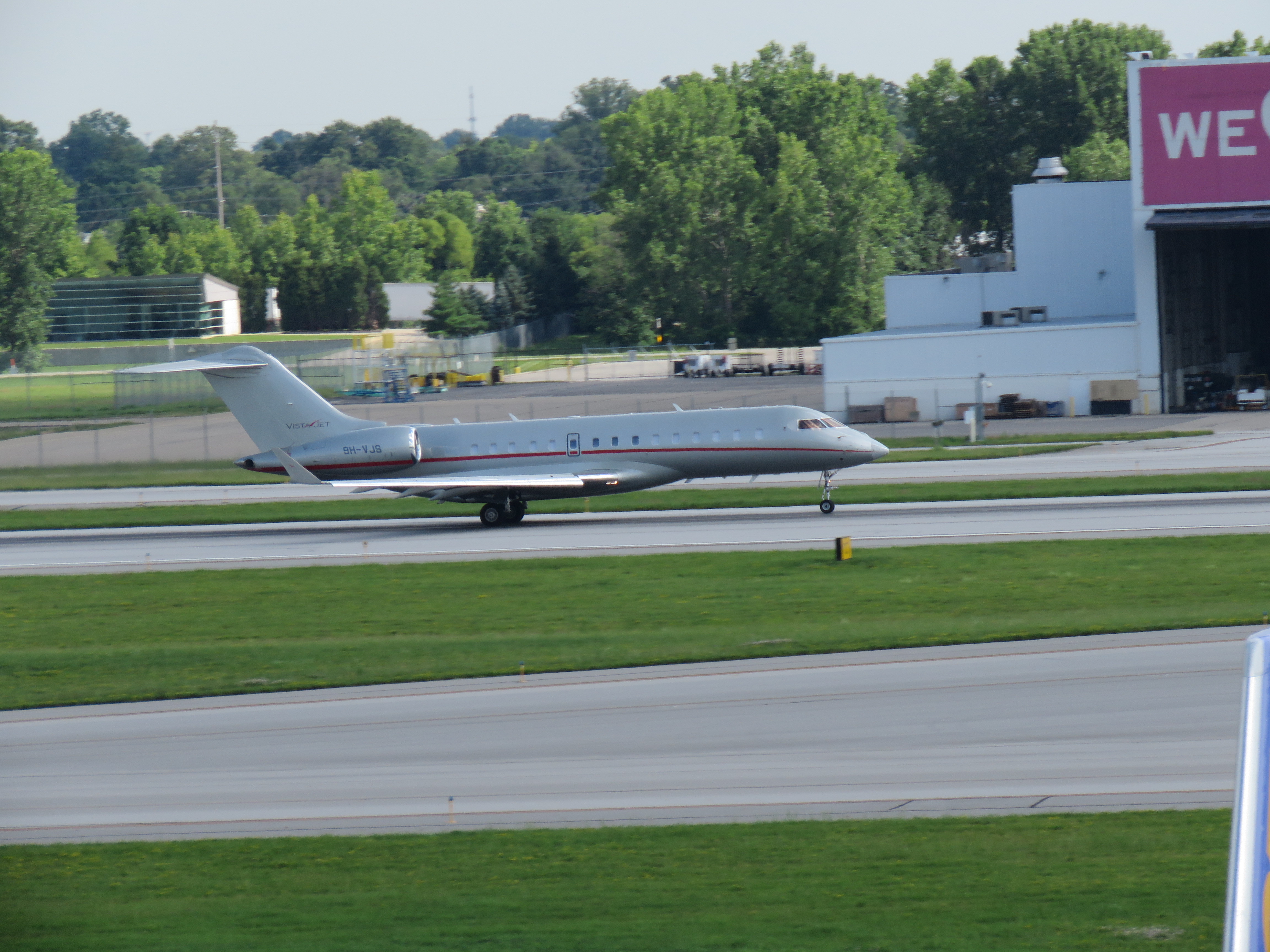
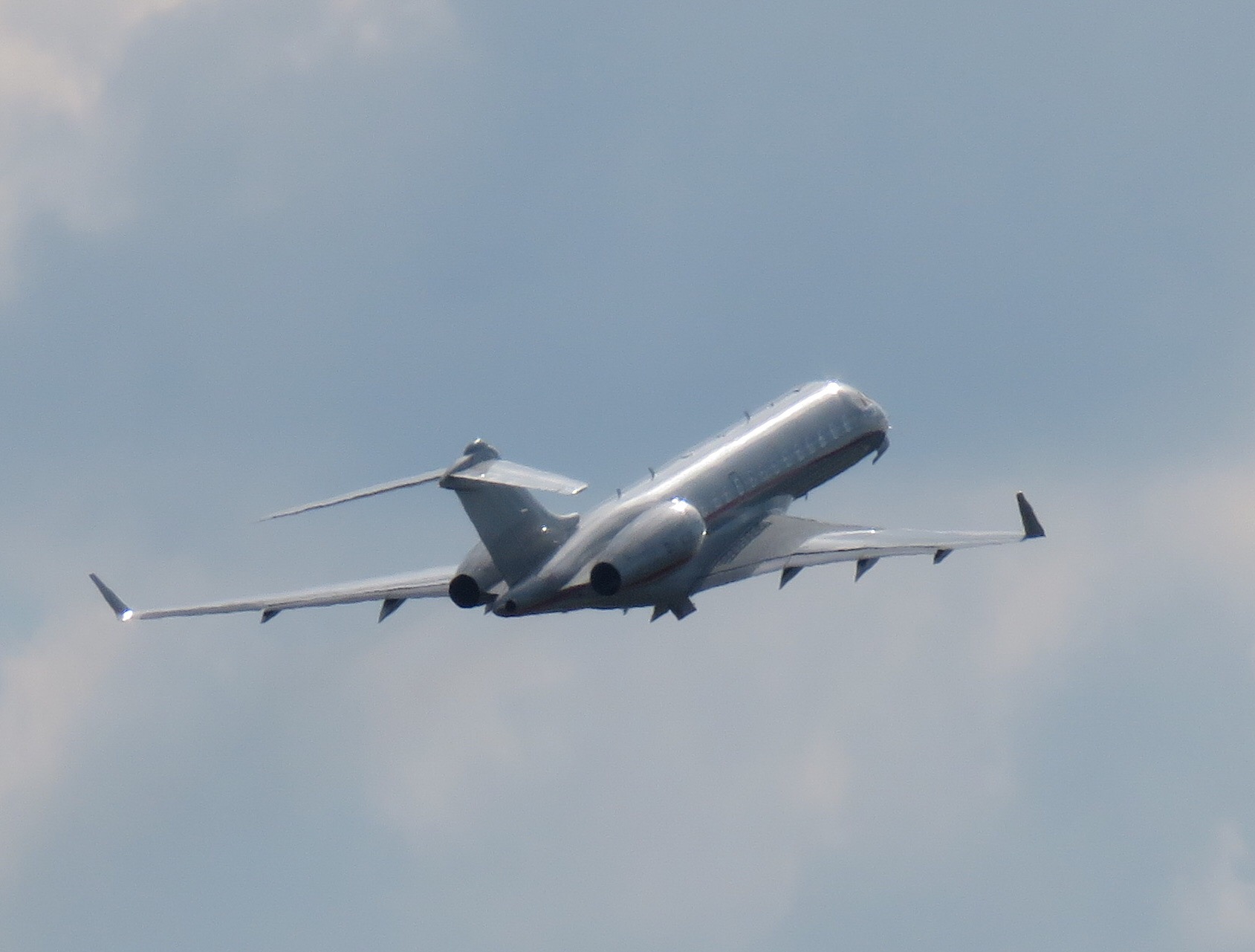
There were three planes that were involved: a Vistajet Global 6000, a Delta Boeing 737-800 and a small business jet, whose make and type I didn’t happen to catch. The little bizjet had just landed, the Vistajet was preparing to depart and the Delta was on final.

The Event

If you’ve spent any time watching a busy airport in operation you’ll know that there’s a certain rhythm to it. A plane lands,  it clears the runway, a plane takes off, the next plane lands, etc. ATC establishes this rhythm and manages the separation to keep the flow going smoothly. I actually quite enjoy watching single runway operations because then everything happens right in front of me. This particular event occurred during the evening rush when there is more activity on the airfield.

After the little bizjet landed, ATC cleared Vistajet to line up and wait. Although you can’t hear it on the LiveATC recording, ATC let Vistajet know that there was a 737 on a four mile final. My first inkling that we might have an issue was that the bizjet seemed a little slow to exit the runway.

IMG_6064Once the bizjet turned onto a taxiway, ATC cleared Vistajet to take off. They then cleared the Delta flight to land, noting that departing traffic was on the roll. Except it wasn’t. I watched as Vistajet sat at the end of the runway while the Delta continued on final. It was pretty clear that if Vistajet didn’t get moving ASAP there was going to be a situation.
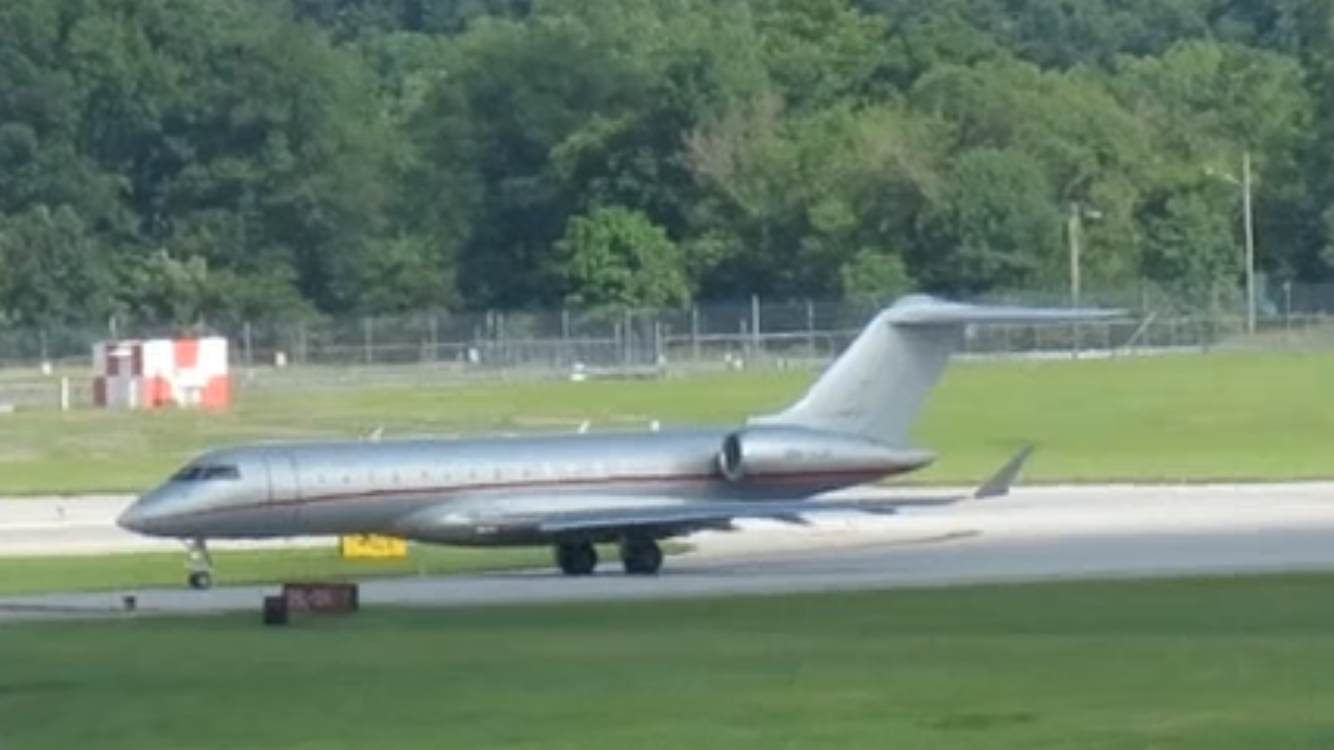
Sure enough the Tower commanded Vistajet to expedite off the runway via the nearest taxiway. I would imagine the Vistajet pilots were focused on preparing to take off, so the sudden command to taxi instead probably took them a moment to digest. When they didn’t move right away, and with Delta still on approach, ATC again commanded Vistajet to exit the runway. I’ve listened to ATC handling all kinds of situations in all kinds of weather and they always sound completely calm and collected. In this case, however, there was no mistaking the urgency in the controller’s voice.

IMG_6059Unsurprisingly, the next command from ATC was to cancel Delta’s landing clearance and send them around. The Delta pilot’s response was perhaps my favorite part of the whole thing. While the Vistajet scrambled to exit the runway and the controller sounded a bit tense, the Delta pilot sounded… bored. Like he does go-arounds ten times a day. I’m sure the Delta flight crew were maintaining situational awareness, could tell what was happening and were already preparing to abort the approach.
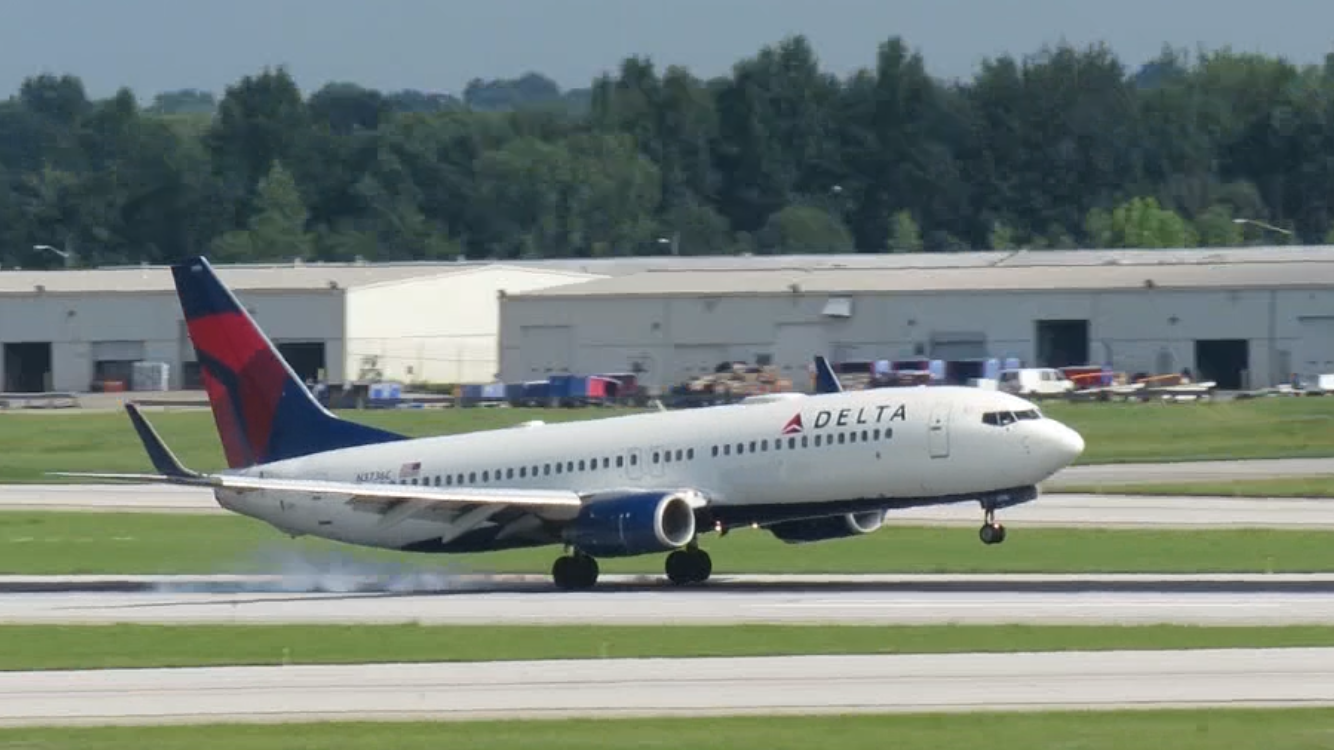
Now that I’ve set it up for you, here’s the video so you can listen and see for yourself. The audio clip is exactly as it was recorded by LiveATC – I didn’t do any editing other than trimming it to just the incident portion of the recording:

Sure there may have been a tense moment or two and yes the situation caused two planes to be delayed a little bit, but the bottom line is everyone arrived safely at their destination. Vistajet was resequenced for departure and Delta was routed back into the traffic pattern where they made an uneventful landing a few minutes later. On the airfield, as in life, things don’t always go as planned. As long as everyone pays attention, it doesn’t have to be a problem.

CFB2B2A7-EC81-42FD-83FD-A944BD9B0944

IMG_6055