 For people living in the United States, late November kicks off one of the busiest travel seasons of the year. Over 28 million people are expected to take to the skies over the Thanksgiving holiday alone. Travelers are counting on the airlines to get them safely to their destinations. What they may not know, however, is that there are a whole host of airport personnel working behind the scenes to keep things running smoothly.
Custodians
Yes, the custodial teams are responsible for keeping the airport clean, but they actually do so much more. Custodians spend a lot of time out and about in the terminal and often find themselves on the front lines of customer care. We’ve had custodians buy food for stranded passengers, search for (and find) lost jewelry, and one quick-thinking custodian even provided a pair of uniform pants to an unfortunate traveler who spilled a drink all over himself. Our custodians have also been trained to watch for suspected victims of human trafficking and to report suspicious activity to the airport police. Never underestimate the impact that a solid, compassionate custodial team can make.
 Building Maintenance
Like any other building, airport terminals require plenty of upkeep. When a pipe bursts in the bathroom, or when there’s a power outage, or when the baggage system stops working, who are you going to call? Yep – building maintenance. If they can’t fix it, they’ll bring in someone who can. Next time you find yourself walking through an airport terminal in the middle of the night, remember that folks from the Building Maintenace department are there too, keeping an eye on things.
Operations
The Operations Department is charged with making sure airport operations go smoothly at all hours. This includes things like issuing NOTAMs, chasing off flocks of birds and coordinating snow operations. A few years ago an airline that is not based at my airport had to divert in the middle of the night due to mechanical issues. Since the airline had no staff on site it was the Ops team that arranged a gate, greeted passengers and ordered pizza for them while a maintenance crew was being summoned.
 Airfield Maintenance
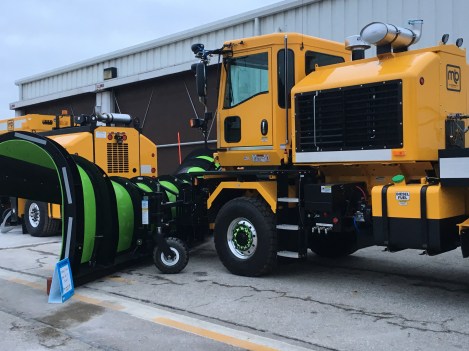
The airfield teams are charged with making sure the runways and taxiways remain clean and clear. Too wet? They’ll suck up the excess water. Too snowy? They’ll get the plows going. Too much rubber build-up? Summon the brooms! If a big winter storm is forecast the teams will sometimes stay at one of the airport hotels so that they won’t get stranded at home.
Communications Center
The Communication Center personnel act as the eyes and ears of the airport. They monitor the fire and security systems, dispatch police and ARFF as needed and just generally watch over things. Ever gone out to your car in an airport parking lot only to find it won’t start? I have. Calling AAA is useless since they don’t have access to gated parking areas, so guess who I called for help? Yep – the Communications Center. They dispatched a service truck to help get me on my way.
Airlines and ATC
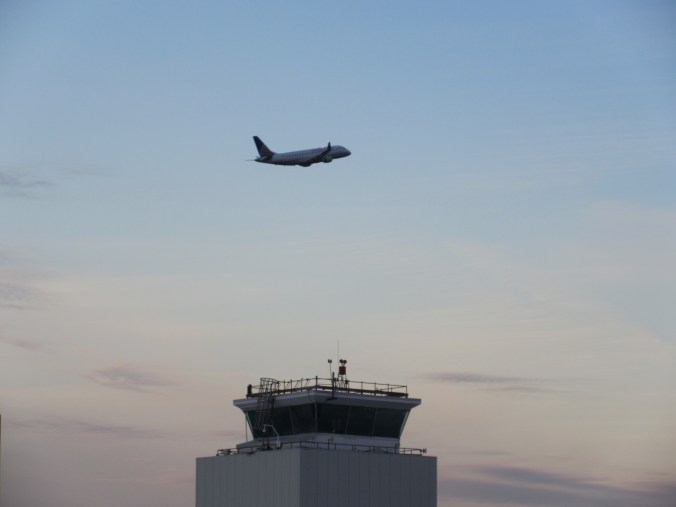
Of course I’d be remiss if I didn’t give a big shout-out to the airlines and ATC as well. Pilots, flight attendants, gate agents, rampers, ticket agents, station masters, mechanics, dispatchers and air traffic controllers will all be giving up time with their families to make sure passengers get home to theirs. So if you’ll be traveling by air this holiday season, give your flight crews a smile and spare a thought for all the teams working behind the scenes to get you safely on your way.

 It may come as a surprise to learn that I haven’t flown commercially in nearly a decade. However, many years ago I worked for a company that required me to travel several times each year. During that time I had a couple of wacky adventures that I look back on with amusement.
 Once in the car I looked at Jay.







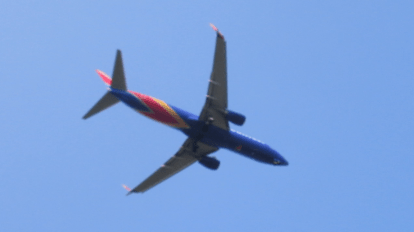 I realized something wasn’t right when I saw the Southwest Boeing 737 flying low and slow over my neighborhood. It was much lower than it should have been. Plus it was coming from the wrong direction, completely outside the normal approach and departure patterns.
 Hoping to pick up some information from ATC communications, I listened intently to LiveATC while my brain went over a list of potential scenarios. Bird strike? Flap issue? Gear or tire problem? Then I heard one of the Southwest pilots come on the radio and use a word that caught my immediate attention: emergency. I have listened to a lot of ATC communications over the years, but this was the first time I have ever heard that word used concerning a flight from my airport.
 At this point I had a decision to make. Should I drive the 15 miles to the airport to watch the flight come back in? I was tempted. But I was afraid that while I was driving I might miss out on important communications or other developments. I consoled myself with the fact that when the plane made the western arc of its holding pattern I could see it from my back yard. Granted, I had to stand on the patio table. On my tiptoes. Doesn’t everyone watch airplanes that way? Actually… don’t answer that.
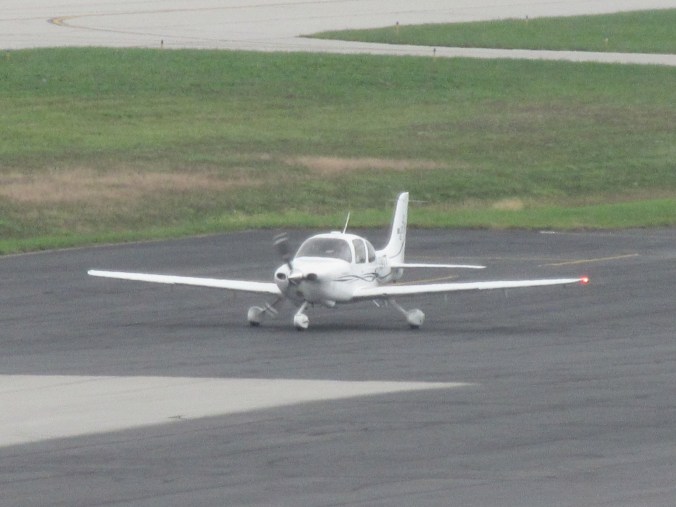
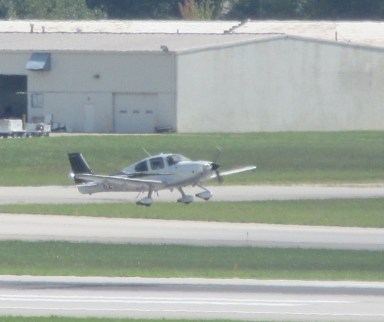 During the time that the Southwest flight was holding, ATC had allowed other planes to take off and land. However, when the pilot of the Cirrus called in, the Southwest flight had just left the hold and was preparing to do a final low approach before landing. As a result, ATC had stopped departures and was clearing traffic from the area around the airport. This presented something of a problem for the emergency Cirrus, who had requested immediate clearance to land.
 Fortunately, we have a large cargo airport located just a few miles to the south of the passenger airport. ATC recommended landing there and the Cirrus pilot agreed. ATC then proceeded to give him vectors to the airport. The Cirrus landed without incident. Shortly afterwards, the Southwest flight completed its final low approach and circled around to a safe landing. They were even able to taxi to the gate with no issues.
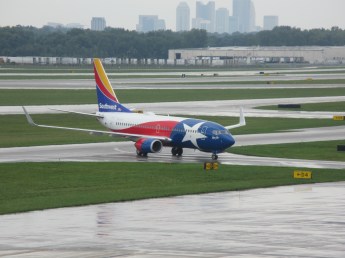 Every aviation enthusiast has a list of airplanes that they really want to see. Sometimes it’s a certain type that we’re after. Or it can be a particular airline or livery (or both). Some hard-core spotters seek specific tail numbers. For me, it is a mix of these things.
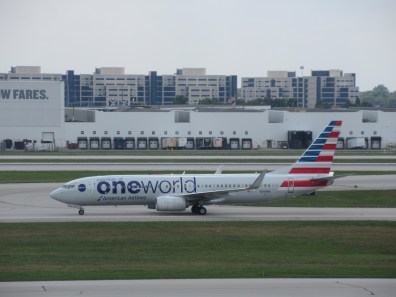 With all the hours I spend at airports, you’d think that chasing down specific liveries wouldn’t be much of a challenge. Wrong! For one thing, I’ve got pretty strict rules. I have to see the plane where I work – another airport doesn’t count. The plane needs to be taxiing, taking off or landing, and I need to witness it either from the ramp or up on the garage. The bigger issue, however, is that certain airplanes are deliberately hiding from me.
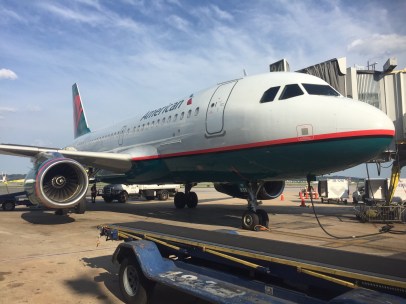

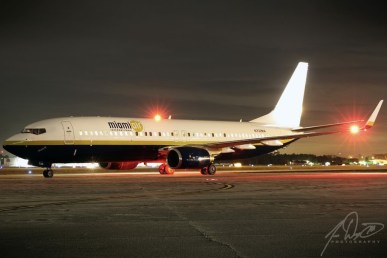

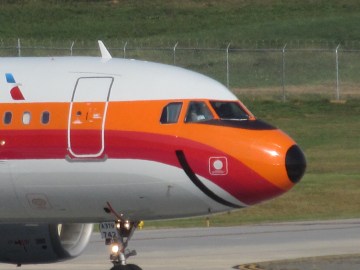 Every once in a while I happen to stumble across a cool livery that almost (but not entirely) makes up for all those planes I haven’t been able to see (yet). Such was the case when United’s Star Alliance stopped by. Not only did it park at a gate where it was easy to see, but it taxied out on time and took off right in front of me. Thank you so much, Star Alliance!
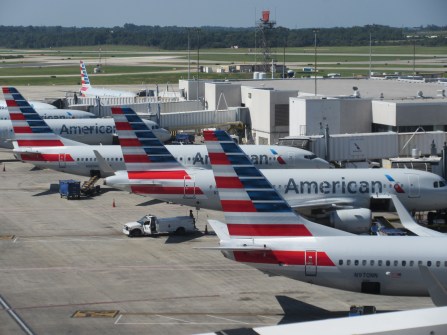 In the United States, National Aviation Day is held on August 19. Here’s how I’ve celebrated at work the last couple years:
 I kicked things off early by parking on the very top level of the garage. No way was I going to pass up the chance to do a little pre-event plane spotting! (And lets face it, if they handed out diplomas for plane spotting from parking garages, I’d have a PhD!) My dedication paid off – I got my very first look at Amazon’s Prime Air 767. Sweet!
 The tour began with a visit to the Operations Tower. Wow – what a view! And what a lot of computer equipment! The Operations Tower is responsible for all aircraft movement on the ramp. I wish we had a set-up like that for deice pad control in the winter! But then again, the ramp at CLT is a MUCH busier place with 600+ flights per day. We were allowed to wander around the room, examine the different work stations and ask questions. I honestly could have stayed for hours!


 After lunch, the awesomeness continued with a tour of the training facility. We met in a conference room first to learn a little about the training program itself and watch a video about the history of American Airlines. Then we visited the egress training area where Flight Attendants learn how to operate various types of emergency exits. Seeing the cut-away plane interiors was actually quite fascinating. They even had an E145 fuselage (minus the nose, wings and tail).


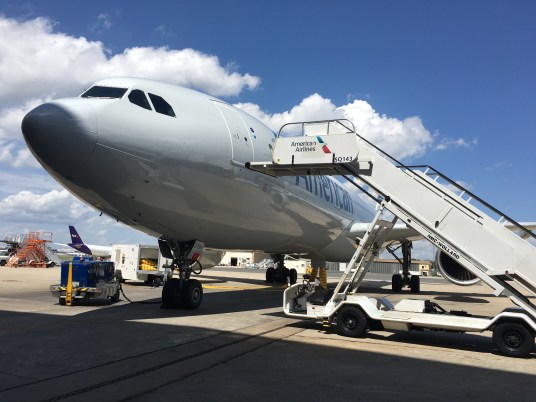
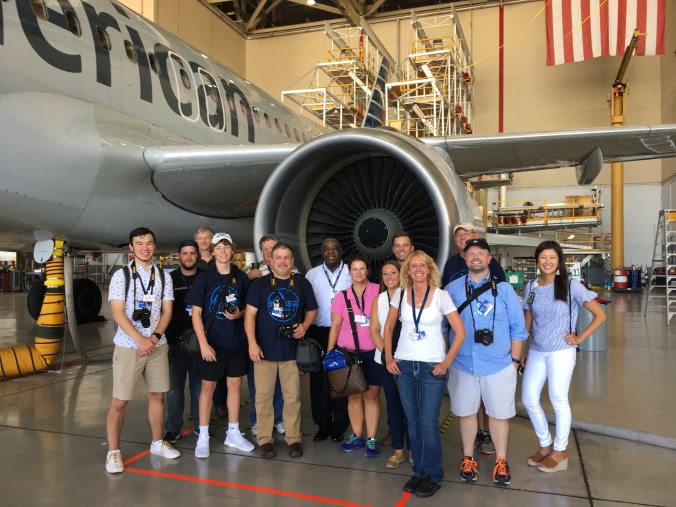
 EAA’s Airventure runs for a full seven days. I was there for five of them. This sounds like it should be plenty of time to see everything, but it isn’t. Not even close! However, I can say with full confidence that I made the most of the time that I had.


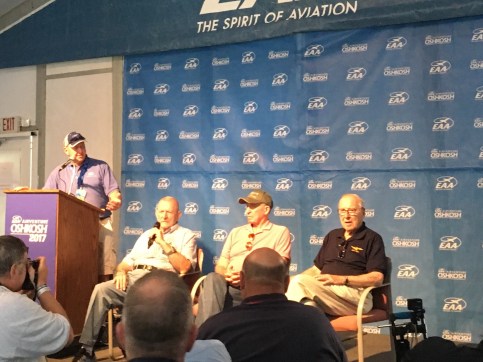



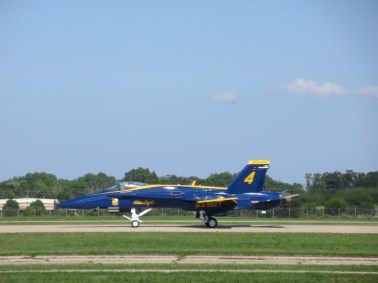


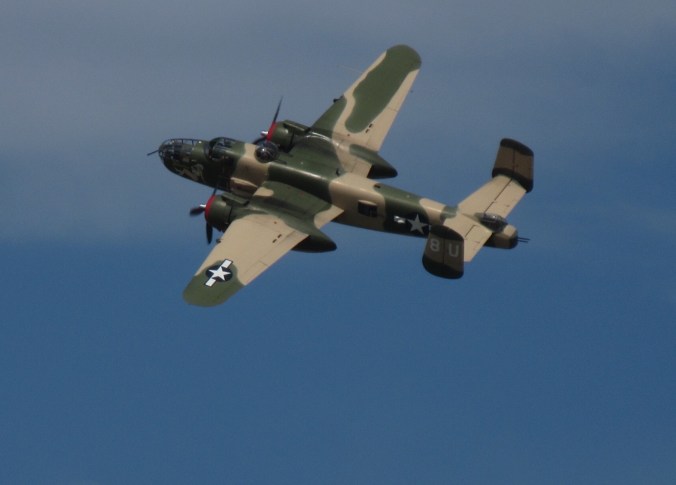 The last two days have been a whirlwind of aviation awesomeness! As you can probably tell from the title of this post, Airventure covers so many facets of aviation from military to commercial, from ultralights to the family GA airplane. In the last two days I’ve been immersing myself in all of these and it has been, frankly, overwhelming.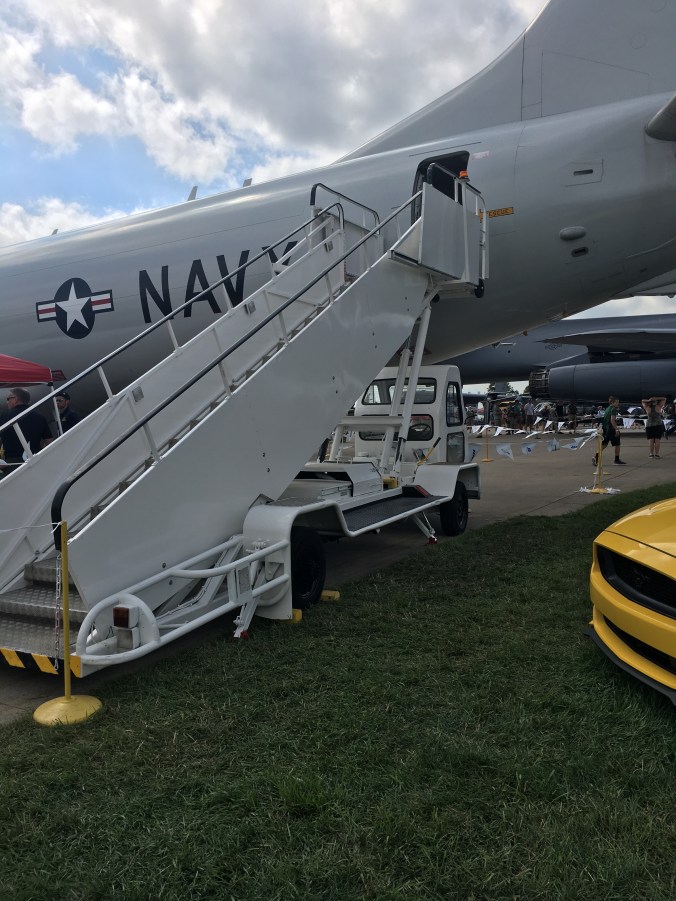


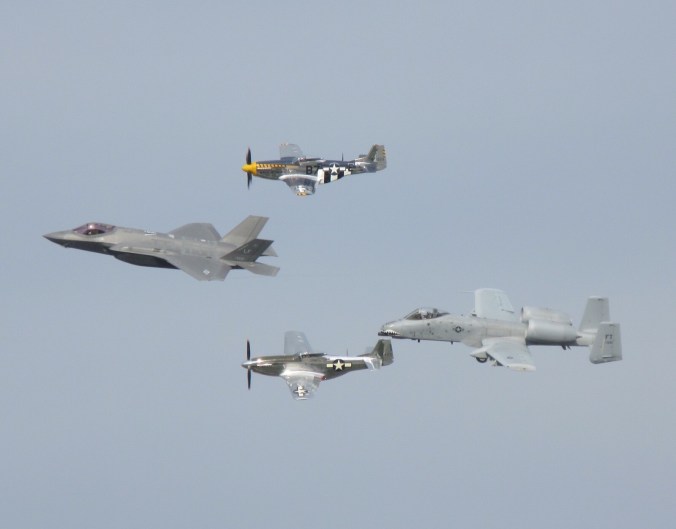
 If you pay any attention to the aviation world then you know that today was the first day of Airventure Oshkosh 2017. And what an amazing day it has been! Here are just a few of the highlights: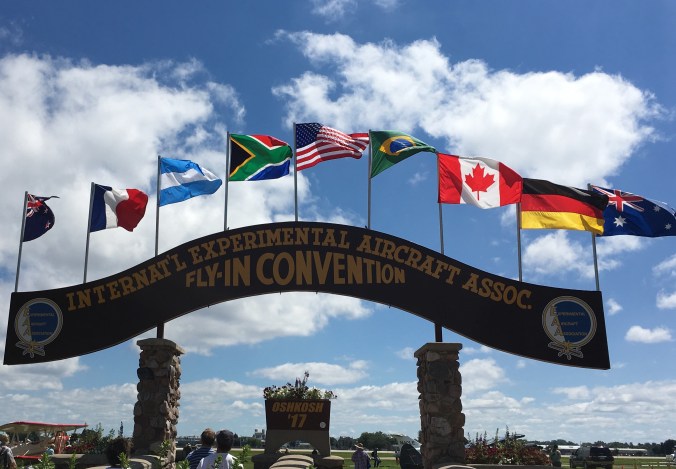

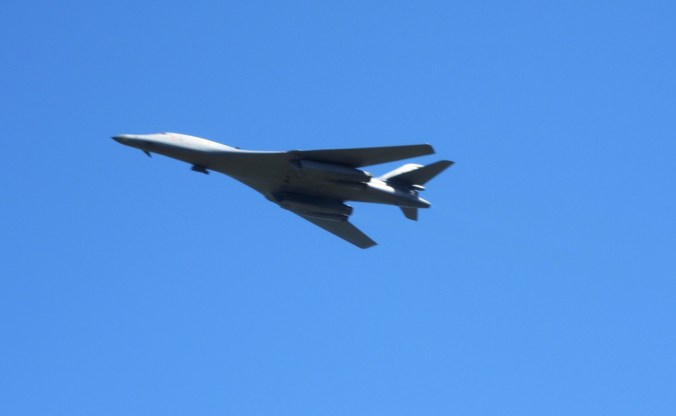


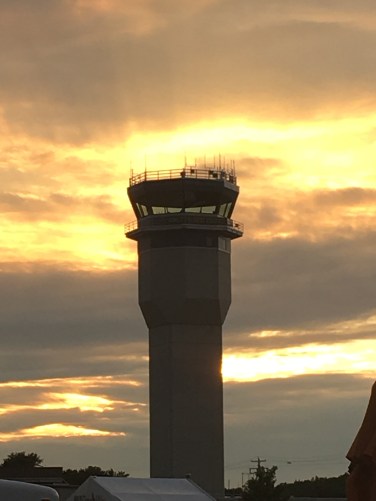 It’s the most wonderful time of the year! No, not the holiday season. I’m talking about Airventure 2017 in Oshkosh, of course! I am super excited to be returning to one of my favorite places. As you may recall, in years past I’ve “dragged” a couple of non-avgeek friends along with me. They’ve been tremendous good sports and we’ve had lots of fun. However, this year I’ll be sharing the Osh experience with my avgeek friends, several of whom will be attending for the first time. In addition to enjoying the displays and air shows, I’m planning to participate a number of events, including:
 Stalking Stairs Trucks

