
Spirit Airlines announced on November 18 that they have filed for bankruptcy. While the airline will continue operating as usual (for now) the filing will give it an opportunity to restructure its debt and improve its operations to (hopefully) be more profitable. This will have a big impact not just on Spirit, but on all the agencies and businesses that work with Spirit, including airports.
Before I dig into the airport side of this equasion I must first issue my usual disclaimer: every airport is different. Fee structures vary. Spirit may be a major player at some places and a bit player at others. As a result, how an airport is affected will vary.
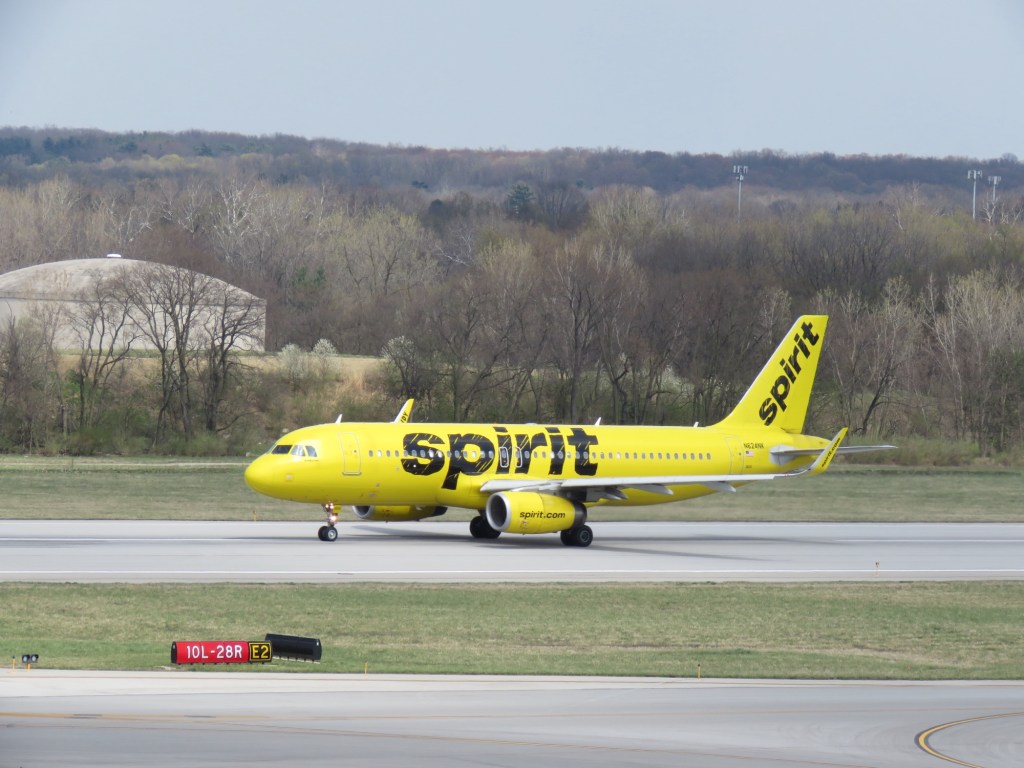
At the airport where I worked, Spirit is a signatory airline. This means that they have signed an agreement to rent a certain amount of space (ticket counter, hold rooms, baggage areas, gates, etc.) for a specific number of years (I believe 5). In exchange, Spirit is given lower rates for things like landing fees, parking, terminal use, etc. Non-signatory airlines don’t sign contracts, but their rates are higher.
I dealt with multiple bankruptcy filings during my years in the industry. If I was still at the airport today, here’s what would happen once I receved the official bankruptcy notice. First I would record the date in the airline’s file. The date is important because no collections can be done on any open invoices from prior to that date. For this reason I paid close attention to airlines that were struggling financially. I would try to get them to bring their accounts as current as possible. The airport will only collect pennies on the dollar for each open invoice once bankruptcy is filed so the smaller the balance due, the less money the airport will lose.

The next thing I would do is send the bankruptcy notice to the legal department and copy the CFO. The legal team will eventually have to submit a list of all the airline’s outstanding balances to the bankruptcy court, so I would also send along a statement of account, as well as an estimate of when I expect all billing for the pre-bankruptcy period to be completed.
Several types of billings, like landing fees and fuel charges, are entered a month behind. Normally I would bill all the month’s landings together one one invoice, the month’s fuel on another invoice, and so on. However, when there is a bankruptcy I’ll enter two invoices – one for landings, fuel, etc that happened prior to the filing and another for items post filing. It is more work but it is cleaner. (I forgot to do this when Swift filed bankruptcy and they only paid the second part of their landing fee invoice. That left me with half an invoice hanging around. Ugh! Messy!)

Once everything has been billed I would then send a complete list of open invoices to the legal department for them to file with the court. I would also do a journal entry (fancy accounting magic) to record the total amount as a doubtful account – meaning it is money the airport is owed that it probably won’t get. The pre-bankruptcy invoices will eventually be written off to bad debt.
Filing bankruptcy should allow Spirit to renegotiate their contracts. The previous bankrupties I’ve handled were for non-signatory airlines so there were no contracts involved. However I can make some educated guesses about what Spirit’s options might be.
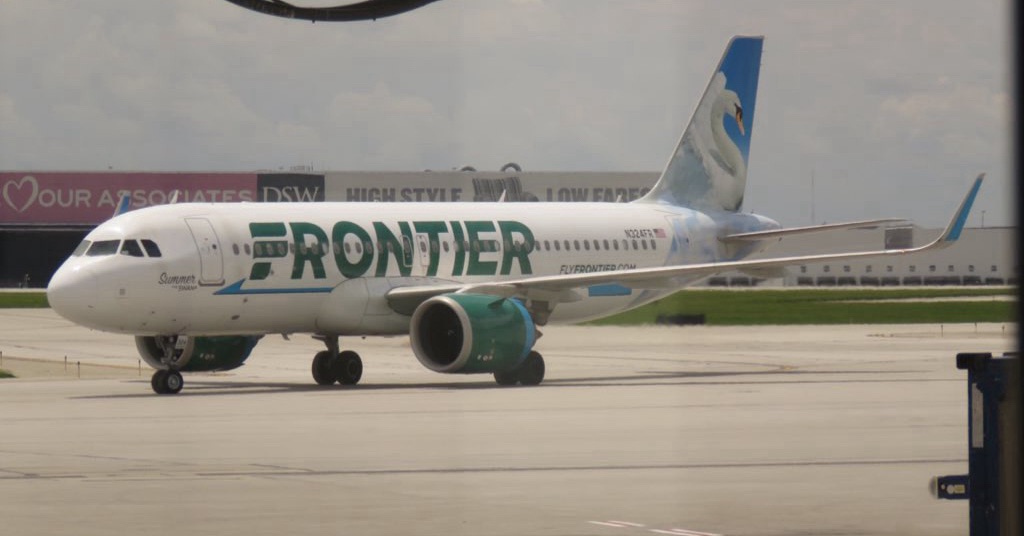
They could cancel their contract altogether and leave the airport. As of September 2024 they have seen an increase of nearly 200,000 passengers over the prior year. That translates to an increase of around 40%. That’s more growth than any of the other airlines. That’s way better than Frontier (a former potential merger candidate) who has actually had a decrease in passengers this year. Based on their growth I suspect Spirit will choose to stick around.
Another option would be to amend their contract by reducing the amount of space they rent. They could also assess their gate usage to see if there are any savings to be had. (They currently lease a single gate but they often pay extra to use an additional gate. Depending on how much they use the additional gate, leasing it might be cheaper.) One thing they probably can’t do is ask for reduced rates. The airport fees are calculated based on what it costs to run and maintain the terminal and the airfield. Those costs are fixed so there isn’t much wiggle room on the rates.
How much is all this going to hurt the airport? Well, Spirit accounts for about 9% of the airport’s total passengers, so the impact won’t be as bad as it would be if American or Southwest filed bankruptcy. However, the airport is planning to break ground on a new terminal next year. This is a big and expensive undertaking so every penny counts. Whatever they lose on unpaid bills this year will hurt, but ultimately they may be more concerned about Spirit’s future, whether they plan to stay and what the impact would be if they cease to operate.
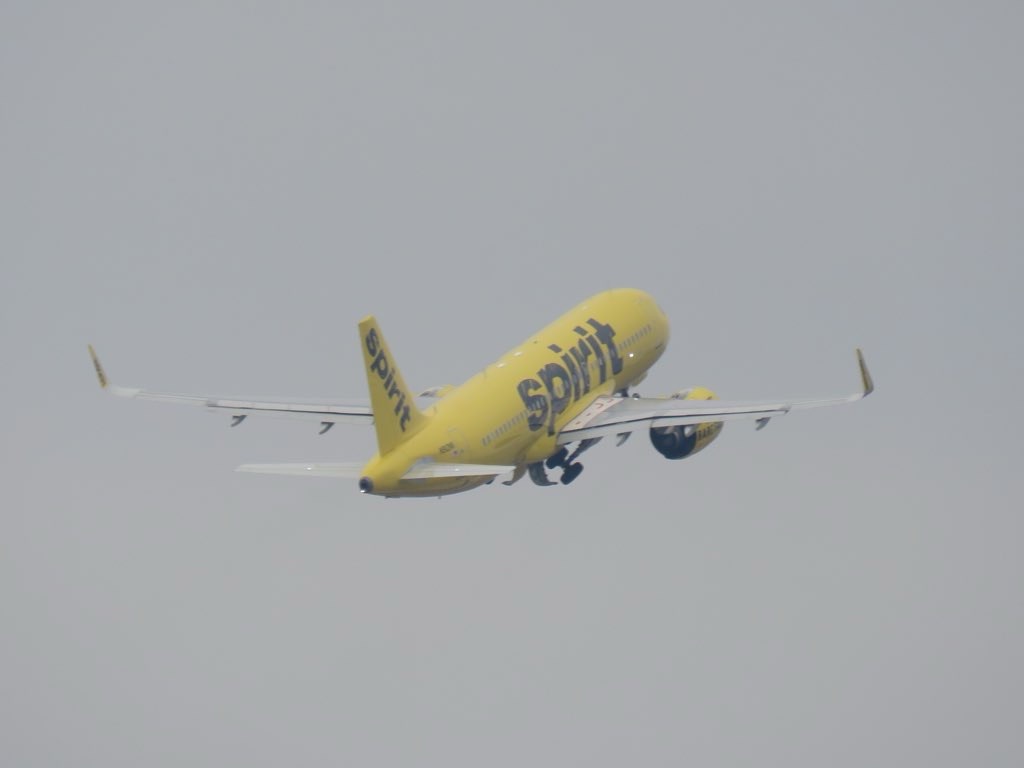
I truly hope Spirit can pull through this and emerge stronger and better. Past experience is a bit of a toss-up – some airlines improved and contiued to operate while others floundered and eventually folded. To be safe I recommend you get those pictures of Spirit aircraft now while you still can!






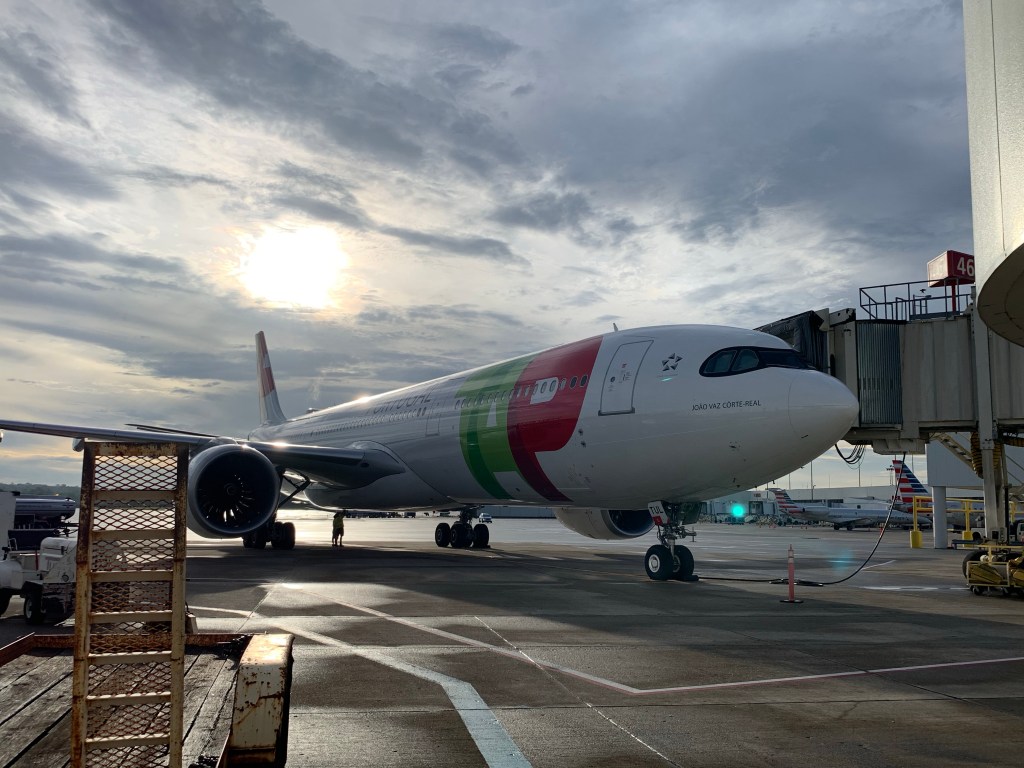
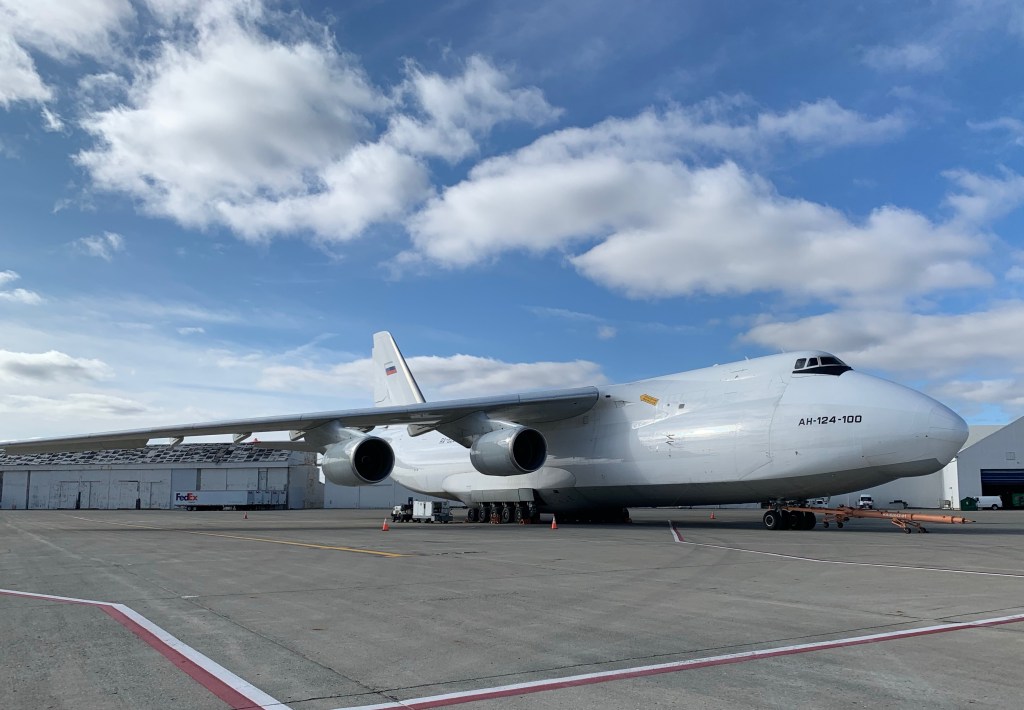










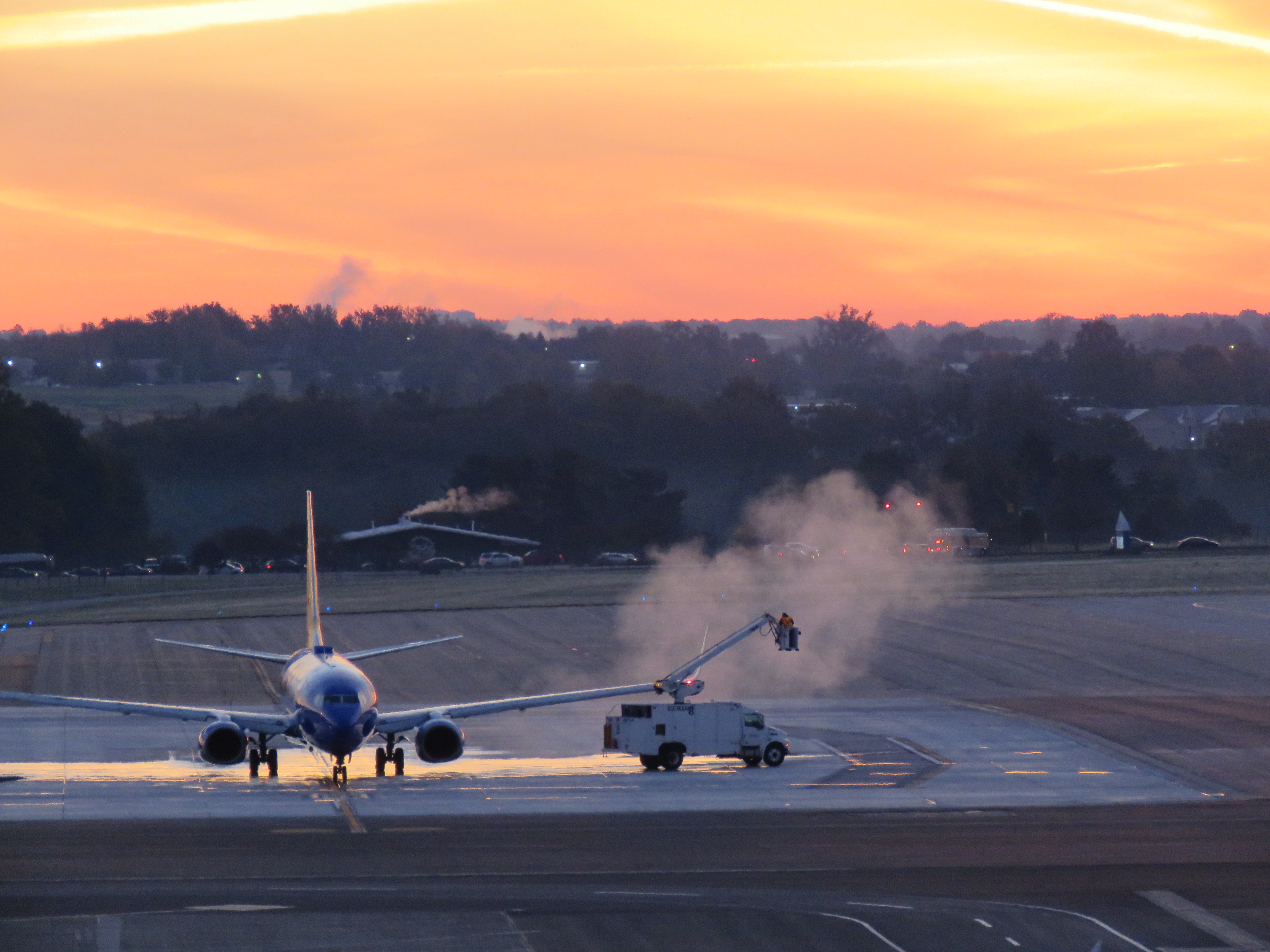 I saw a video on twitter recently of a baggage handler behaving badly. The person who tweeted the video tagged the airport to complain. Other people chimed in as well, demanding that the airport take action. The problem is, baggage handlers are not actually airport employees. They work AT the airport but they don’t work FOR the airport. The media often makes the same mistake. More than once I’ve come across a headline proclaiming “Airport Employees Accused of…” only to learn that the people in question are employed by some other company that just happens to do business out of the airport.
 Ticket Counter and Gate Agents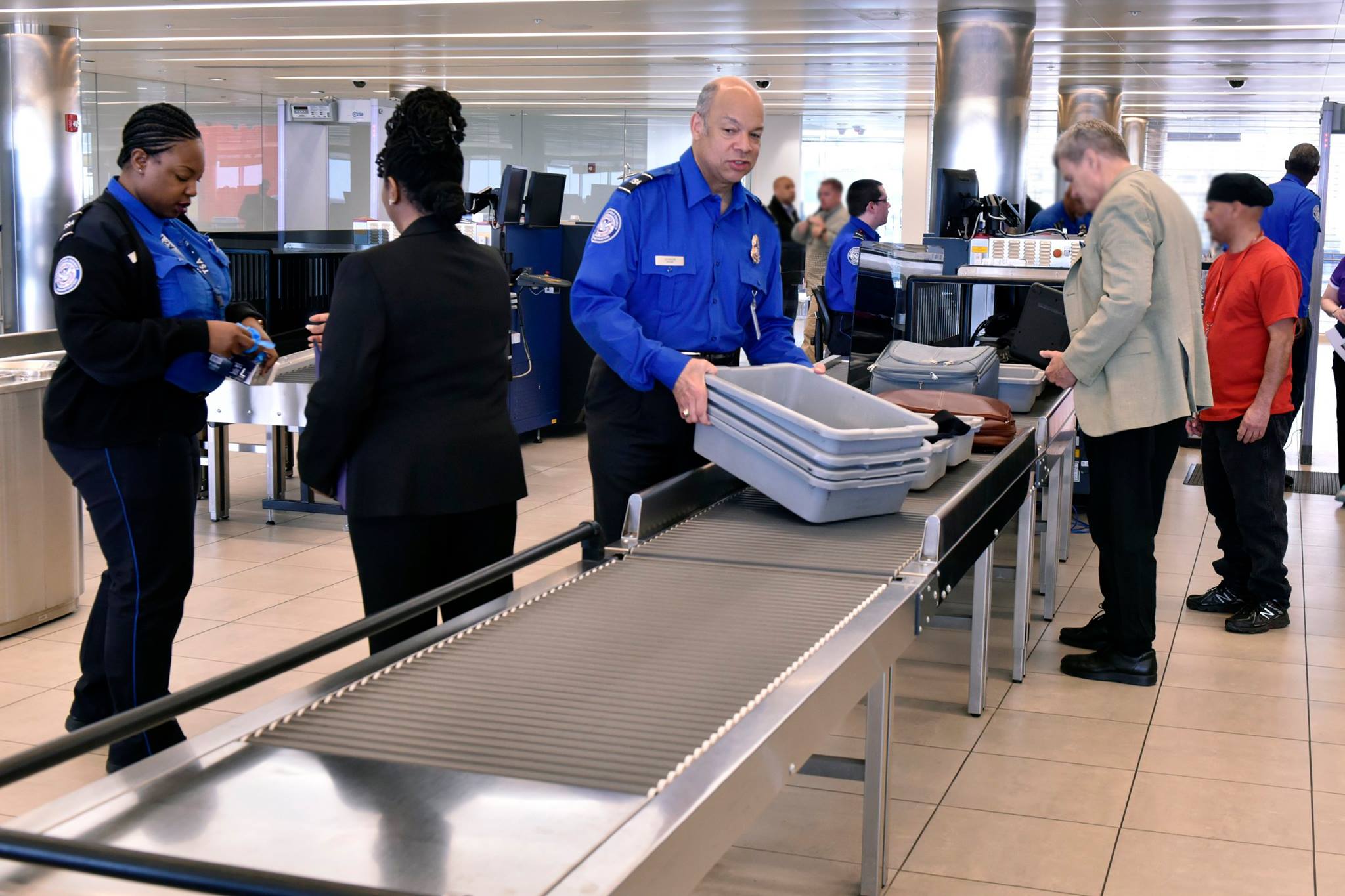
 Custodians and Building Maintenance:
 You may be wondering: don’t airports have ANY authority over the people who work there, even if they work for another company? Well… yes. Sort-of. The airport is responsible for issuing SIDA (Secure Identification Area) badges to anyone who works in secure areas, regardless of who their employer is. If someone violates SIDA rules then the airport can revoke their clearance, effectively preventing them from being able to work.
 It may come as a surprise to learn that I haven’t flown commercially in nearly a decade. However, many years ago I worked for a company that required me to travel several times each year. During that time I had a couple of wacky adventures that I look back on with amusement.
 Once in the car I looked at Jay.


 Tales from the Terminal