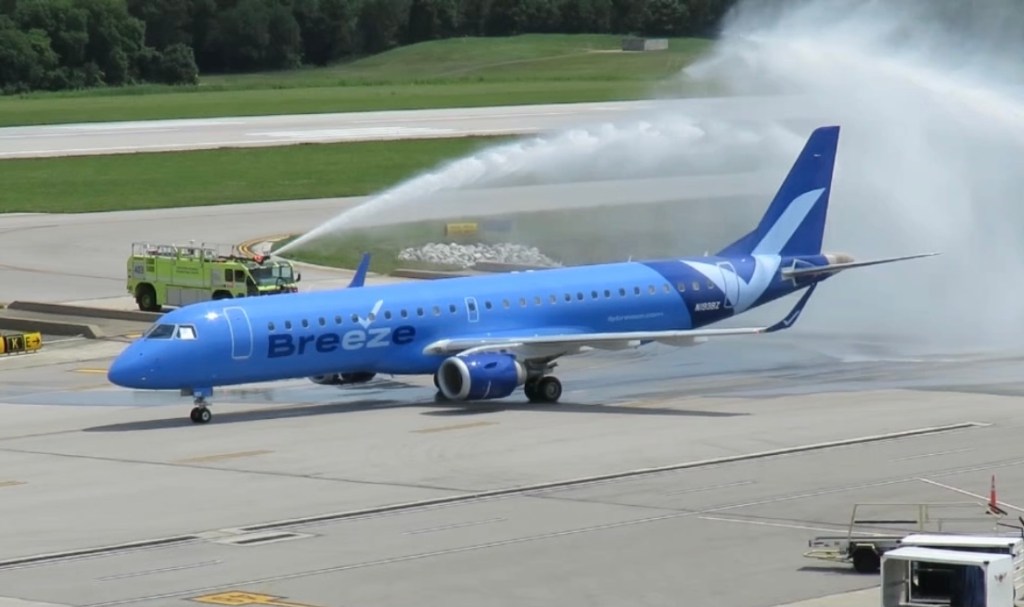
So you’ve been looking for a non-stop flight to your favorite vacation destination and discovered, to your dismay, that none exist. What? How can this be? Lots of people travel to this place. Surely the airport can just ask the airlines to offer non-stop service, right? Uh… well, no. Unfortunately it doesn’t work that way.
The process of establishing new non-stop service can require quite a bit of behind-the-scenes work that can take years to complete. Although I don’t get involved until it is time to start billing, I’ve asked my friends in Business Development a million questions which they have been kind enough to patiently answer. It can be a complicated process, but here’s a look at some of the basics.
The “Easy” Way
Sometimes one of the airlines currently operating at the airport decides to add a new route based on their own research and goals. They already lease gates and counter space. They already have ground crew and ticket agents. There’s nothing that the airport needs to do so… Done! Gee, that was easy!
The “Somewhat Easy” Way
Sometimes a new (or new to us) airline will decide to include us in their route structure. These decisions are usually based on anticipated demand and their ability to operate profitably. They will request specific details about our passengers, facilities and costs which they will review to make a determination about whether to proceed or not.
Once an agreement is reached, the airport will make sure that all the necessary space, equipment and signage is in place for the airline to operate. It takes a bit of effort to coordinate, but over-all this is a pretty simple way to add a new destination to our collection.
The Harder Way
When an airline wants to add a route, it usually happens. When someone else wants an airline to add a new route… well that’s a different story. Sometimes the Airport Authority’s own research will identify an underserved destination. Sometimes the local business community or government entities will identify a need and inquire about adding service. The Business Development team scruitinizes travel data from the Department of Transportation which, among other things, includes the ultimate destinations of all our passengers who took connecting flights. They look for trends try to confirm that there are enough people traveling to specific destinations to perhaps entice an airline to start flying there.
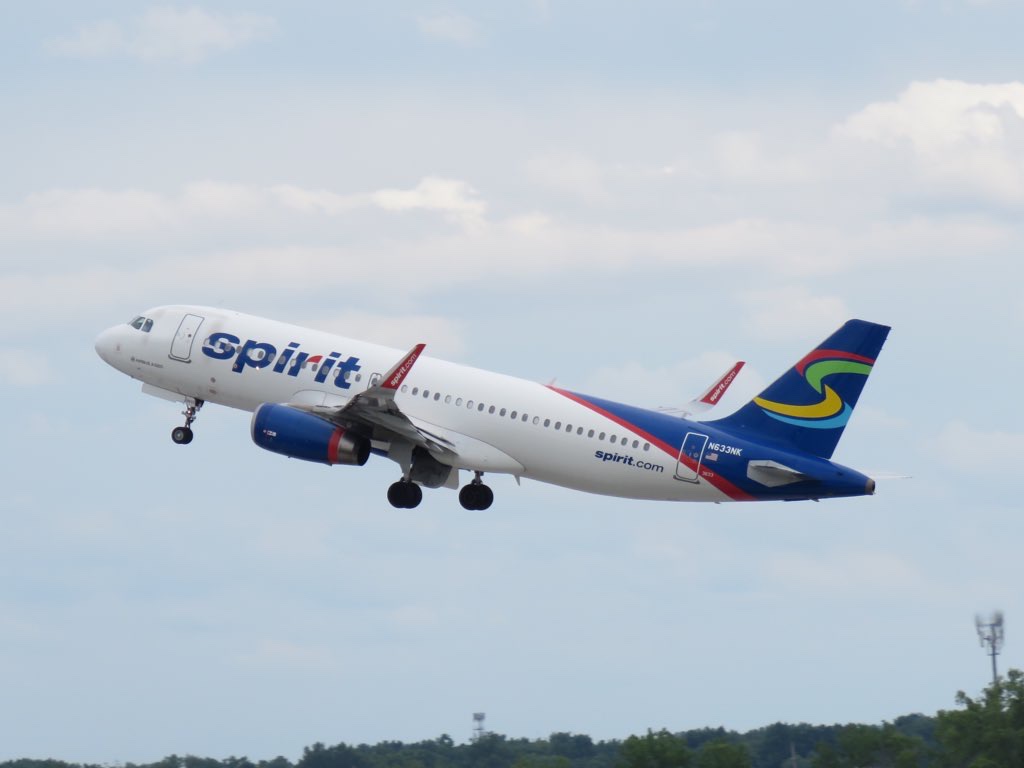
The airport will then approach the airlines with the data they have collected to try to convince them to add a route. We already have relationships with many airlines so these conversations likely begin with some phone calls. The team will also fly to airline headquarters to make their case in person. Pre-covid there were conferences in which a number of airlines and airports would attend and then there would be a series of short, private meetings during which airports could present their cases. A coworker referred to this as “speed dating for airlines.” The airport would get to meet with several airlines at once, but there wouldn’t be a whole lot of time for discussion.
Incentives
It can be quite expensive to start a new route. It takes time for it to become established and to develop the load factors needed to be profitable. This is where incentives come in. Airports and other entities will offer discounts or waive fees to offset some of the initial costs. This can be a tricky topic since there are some pretty strict rules around what kinds of incentives airports are allowed to offer. Some states will sweeten deal by adding in financial incentives of their own. Even business organizations will sometimes come together and pool funds to be able to offer a finacial incentive to try to get a coveted business destination onto the departures board.

Strings Attached
Even if there is a strong incentive package involved, the airline still has some bills to pay. We typically require a deposit which represents a portion of the amount we expect them to pay for things like rent once the incentive period is over. And they have to offer the agreed upon routes for the agreed upon length of time. If the airline decides to terminate the route early, they could be asked to pay back some or all of the incentives they were given.
Unsurpringly, it can sometimes take years of discussions before an airport is able to land a coveted route. We spent at least five years securing a non-stop flight to Seattle. The quest for a flight to Europe has been going on for a decade or more.
So what’s a passenger to do? Well keep traveling to your favorite destination. The more people who fly there, the more attractive it becomes for an airline to start non-stop service. Be patient – these things take time. Be realistic – some routes are just never going to be non-stop. And it wouldn’t hurt to learn to love connections, at least for now.
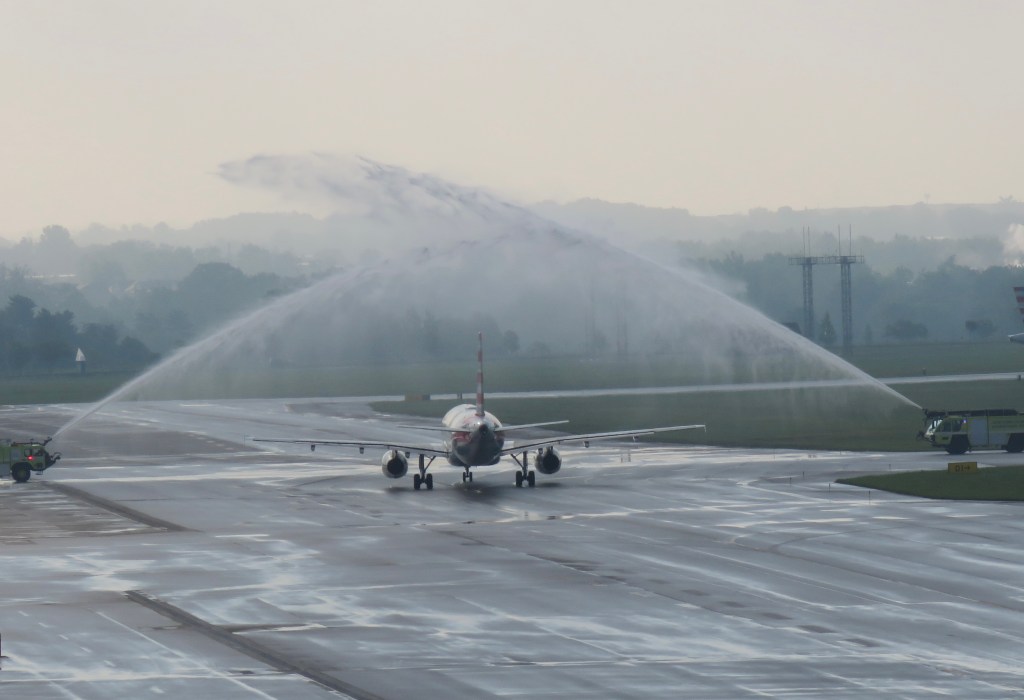








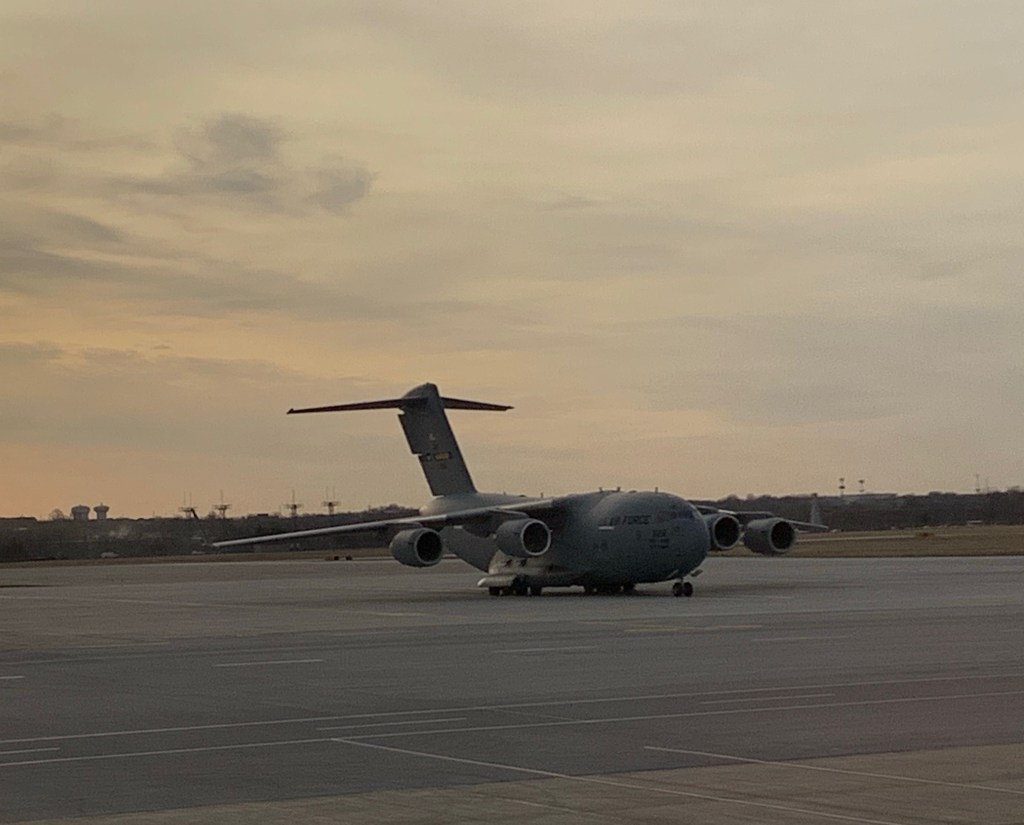


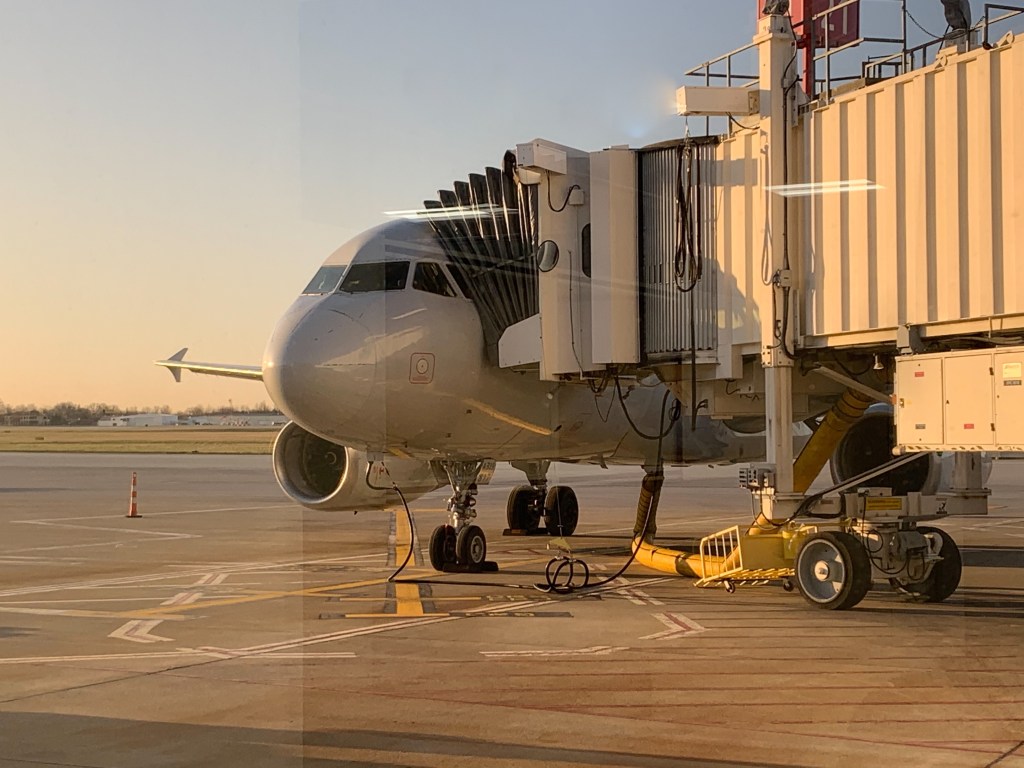


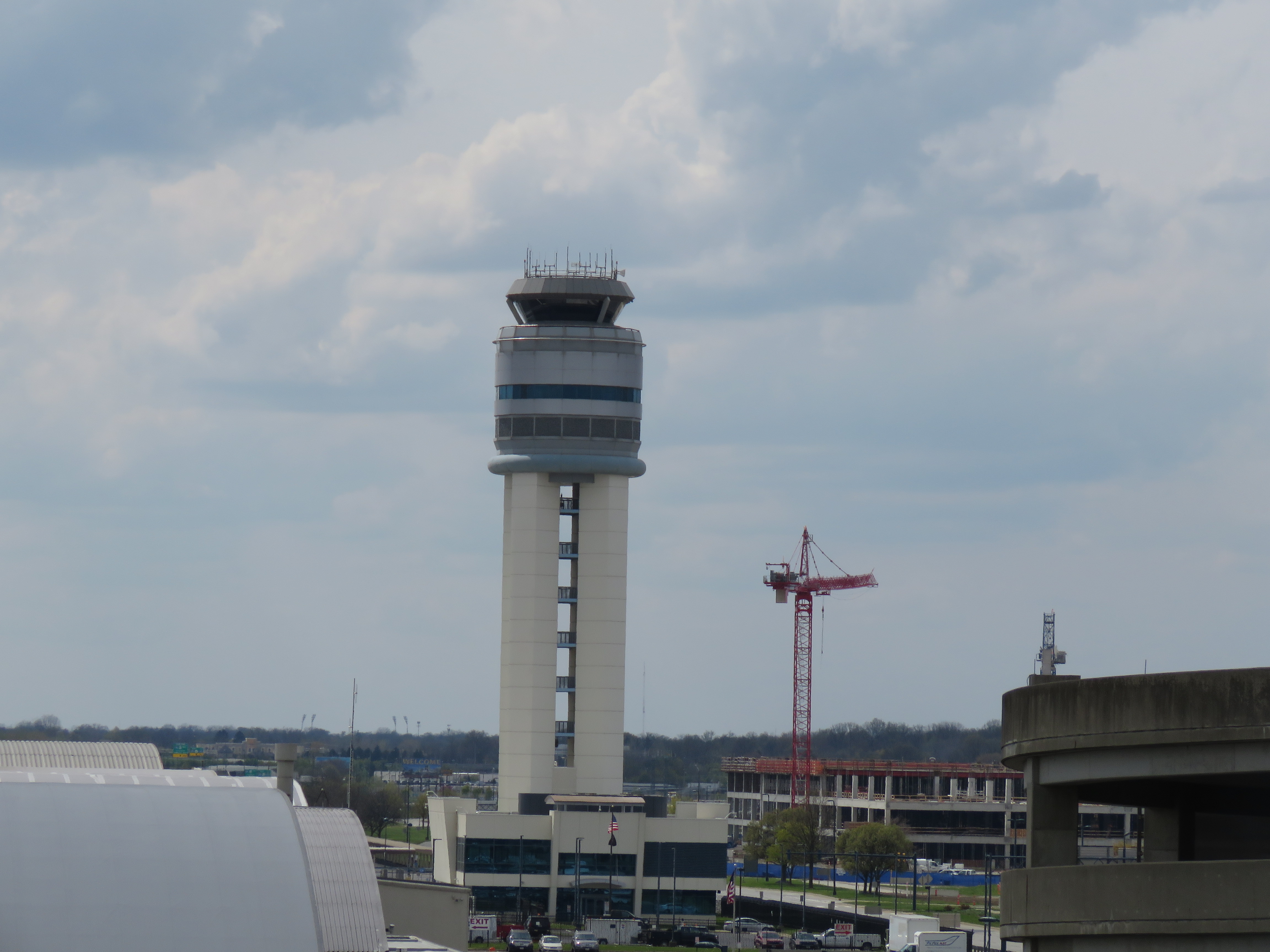
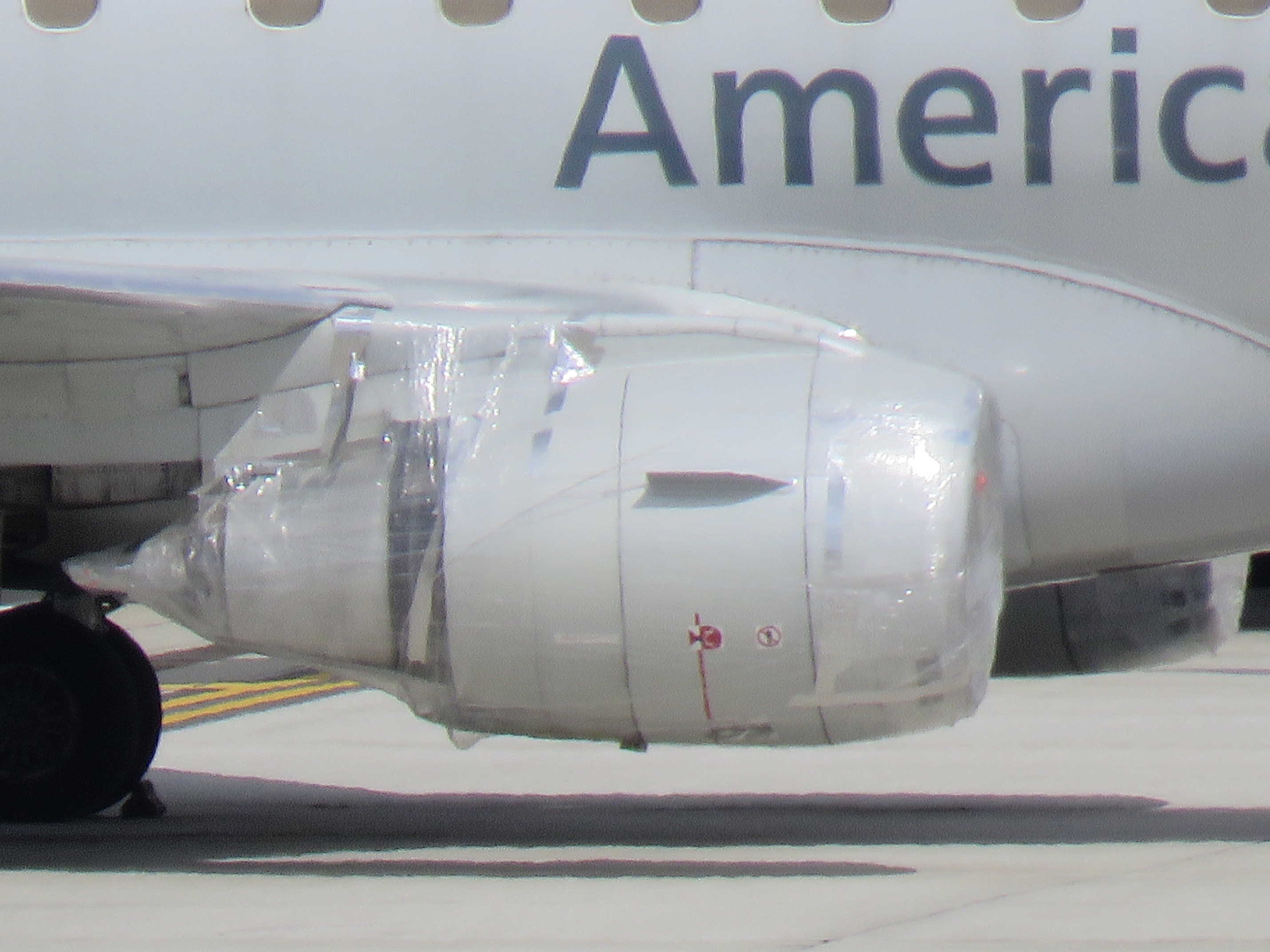


 Before the stay-at-home orders for the Covid-19 pandemic started, I was able sneak out to Pensacola Beach, Florida for a quick vacation. I had hoped to make a return visit to the Naval Air Museum while I was in the area, but it was not open to the public. Instead I drove over to Mobile, AL to visit Battleship Memorial Park.
 As the name suggests, the main attraction is the USS Alabama, a World War II-era battleship. Parked right next door is the USS Drum, a Gato-class submarine. Both were open for self-guided tours. I have never been on any kind of military vessel before… oh my goodness the crazy steep stairs! I cannot imagine what it must have been like to climb up and down them while out at sea. Needless to say I have an even greater appreciation for our Navy and Marine service members .



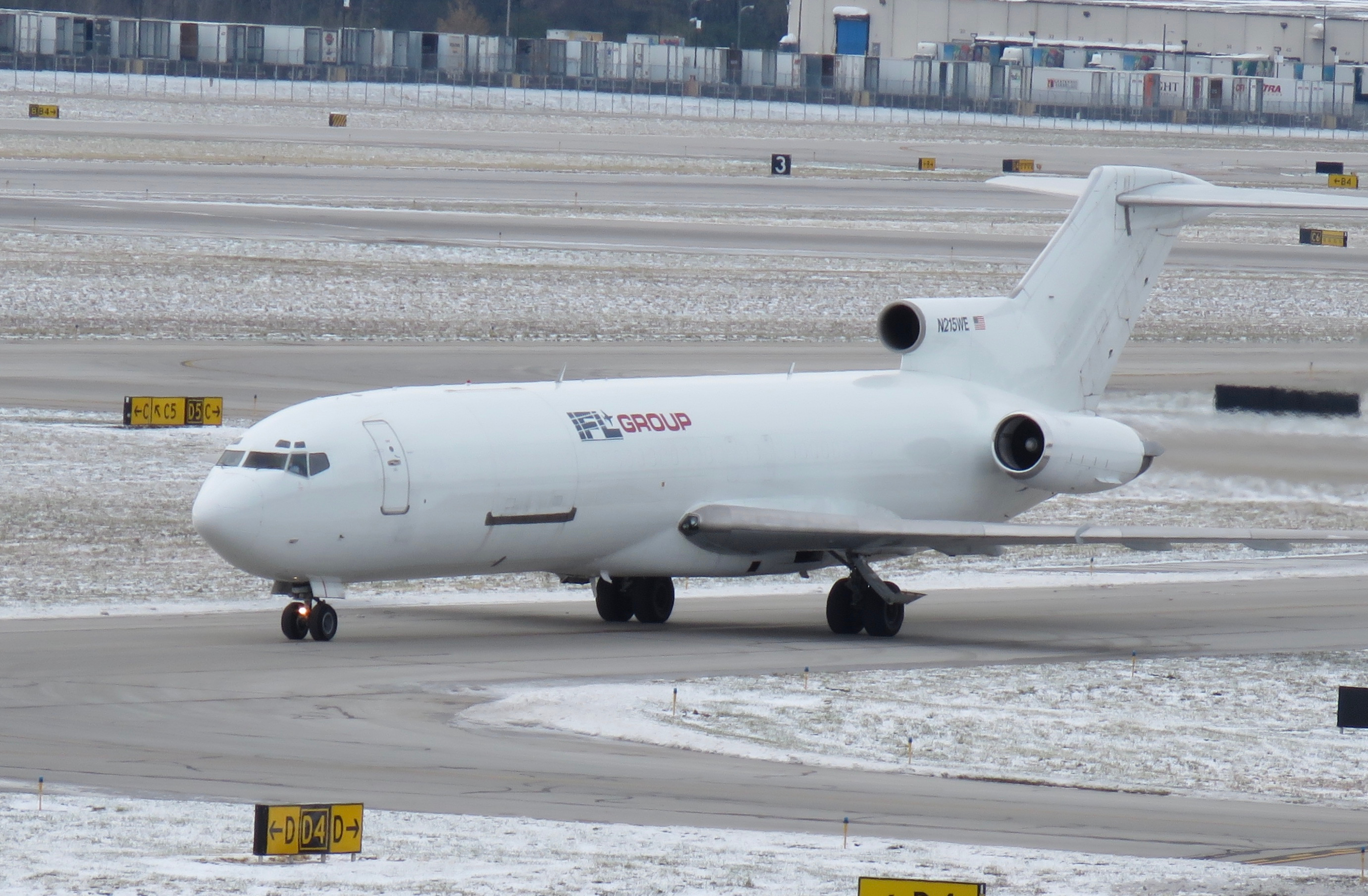
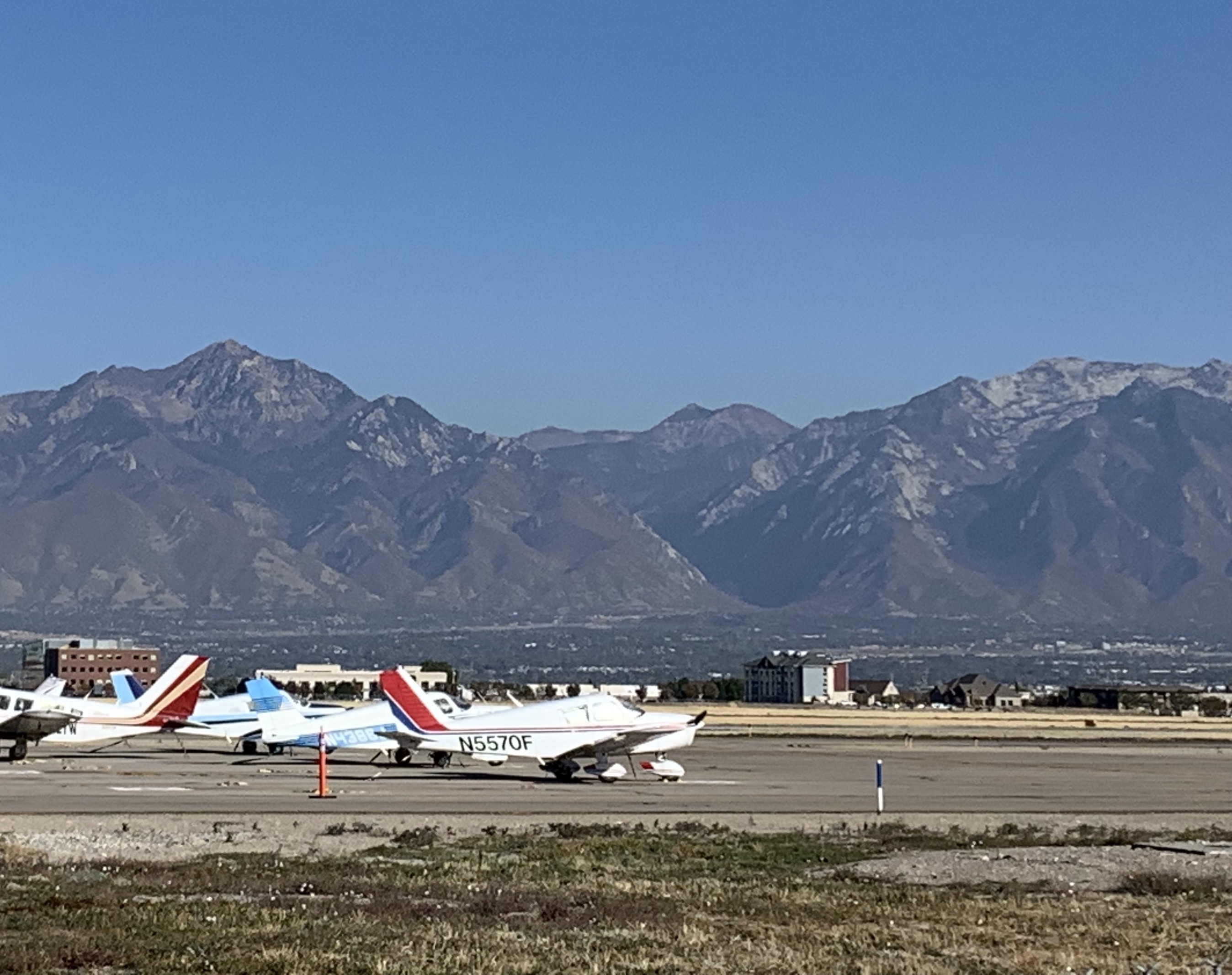
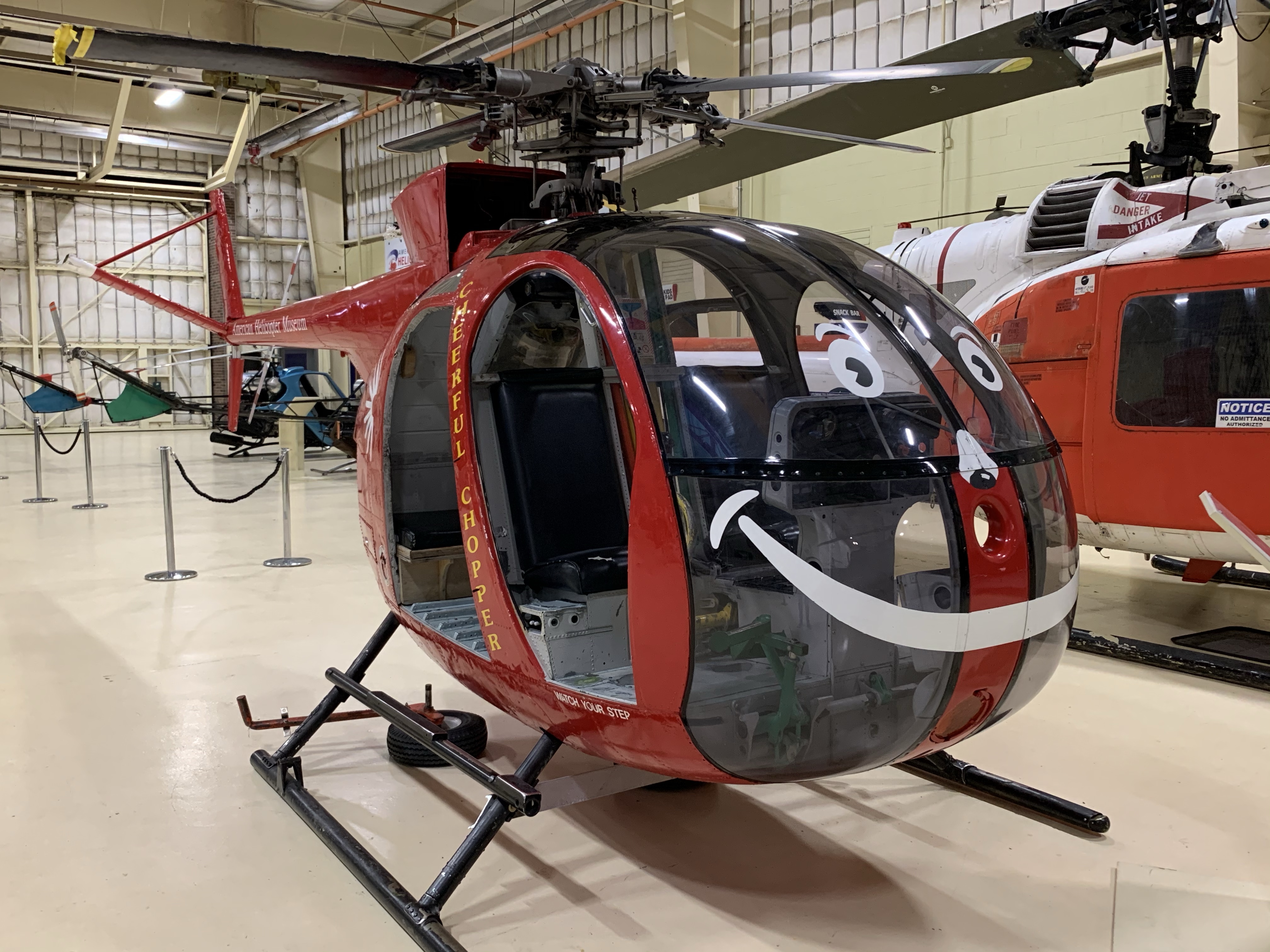 American Helicopter Museum


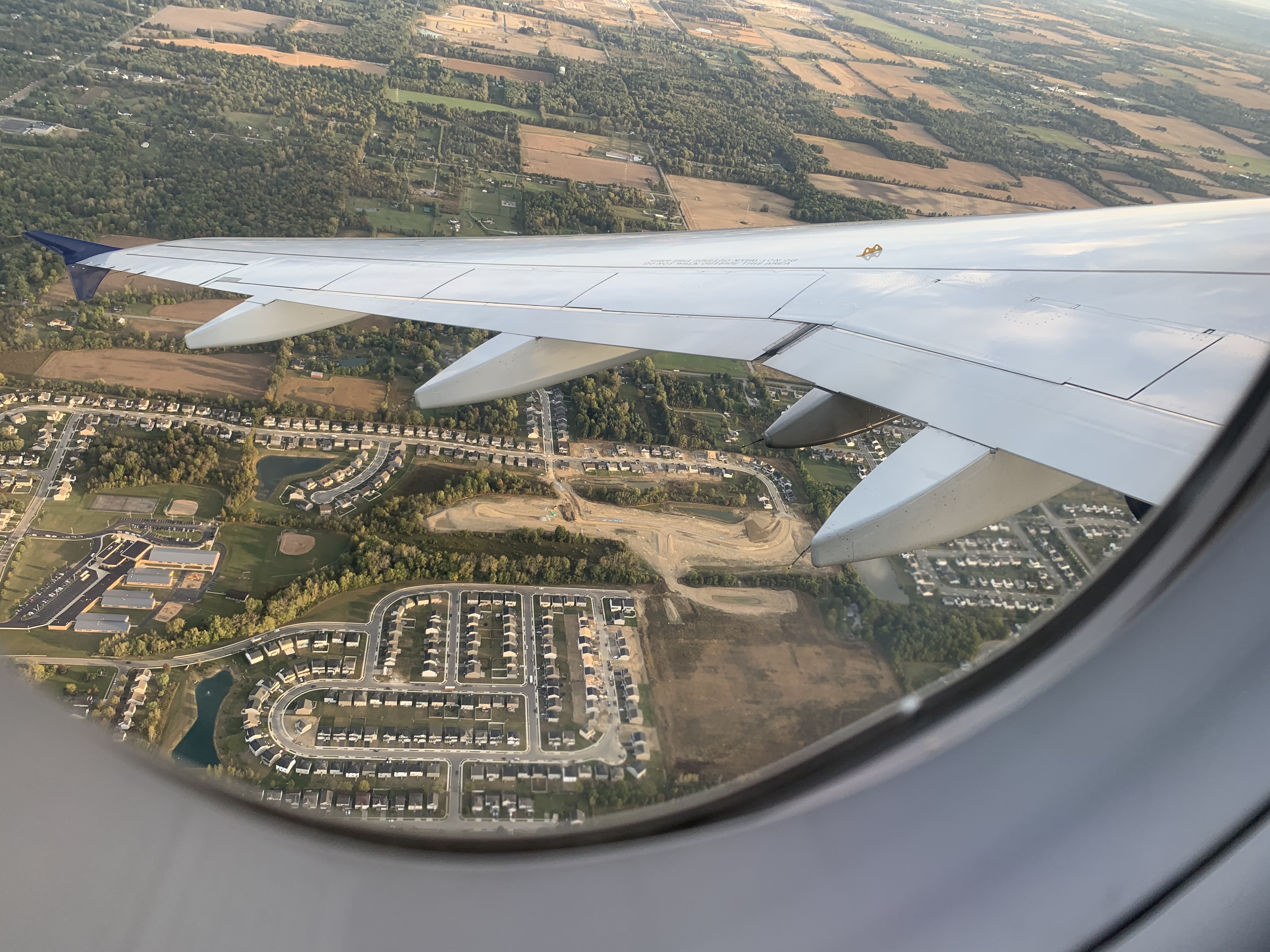


 Sunday I started off visiting the actual airport terminal. After all, this blog is called Tales From the Terminal so it seemed like a good idea to stop by. It was quiet. And small. But there’s an airplane hanging inside which automatically makes it excellent. I ran into a group of Airventure newbies who needed some advice on how how to get their wristbands and I was happy to point them in the right direction.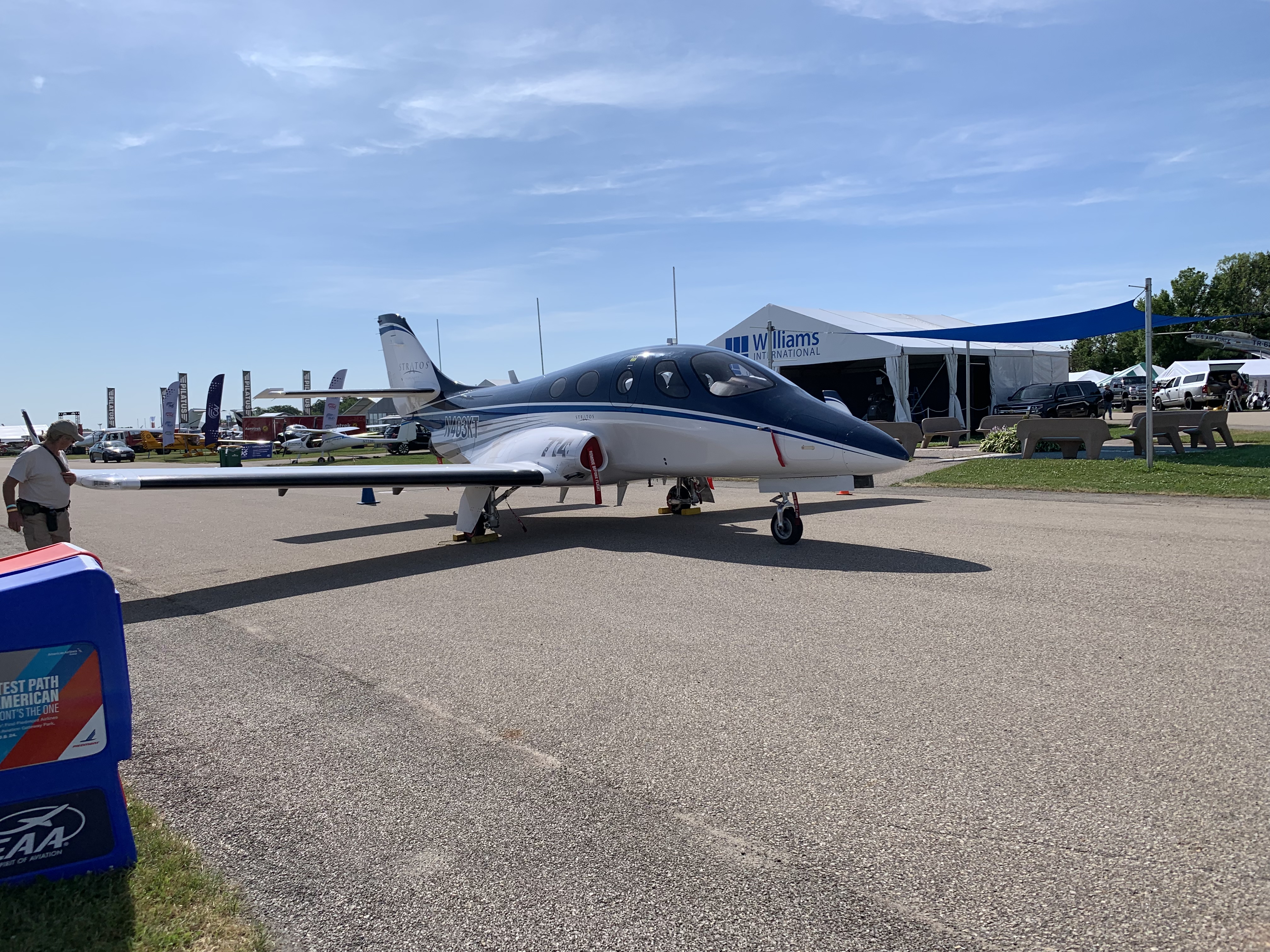
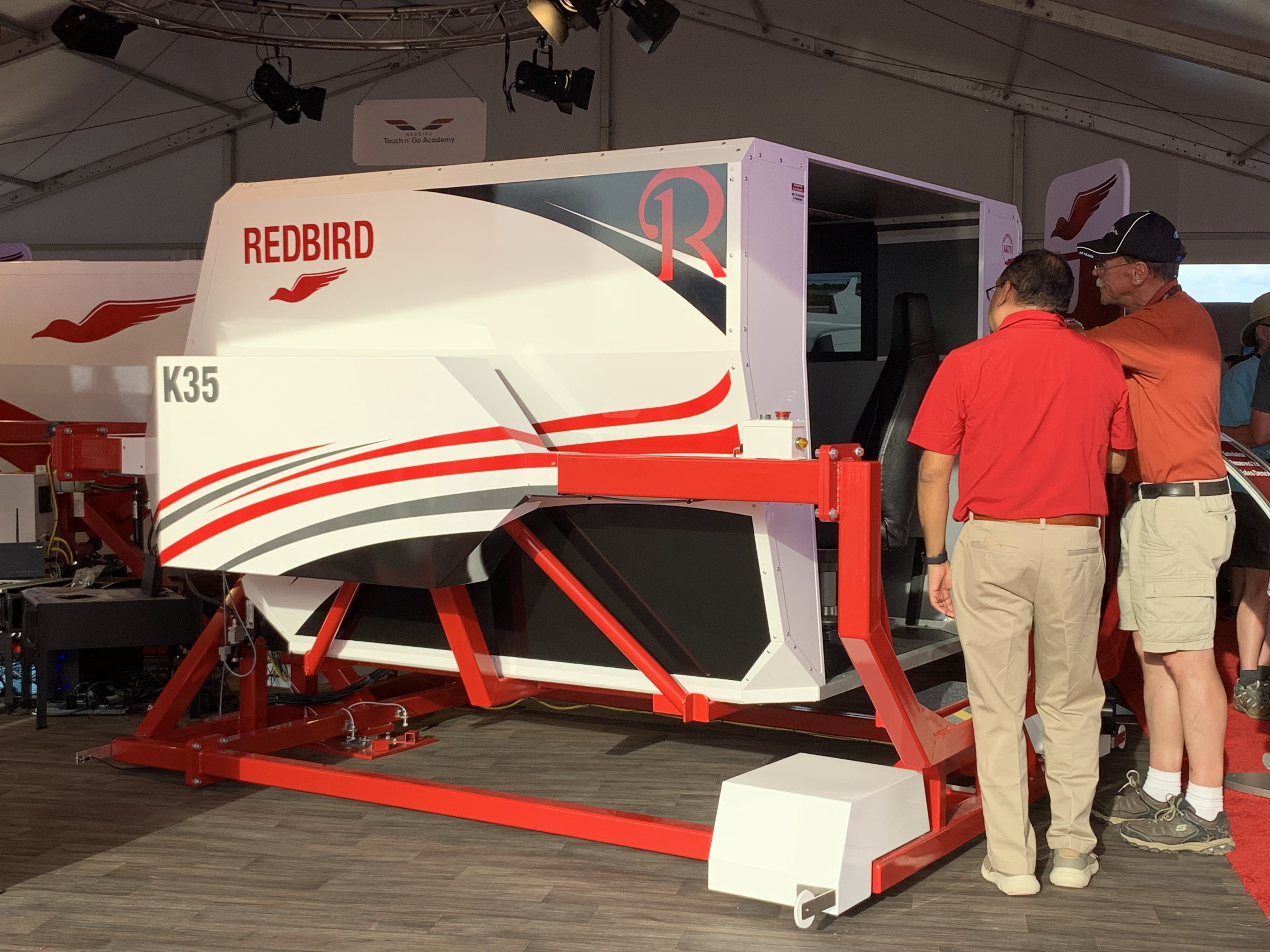

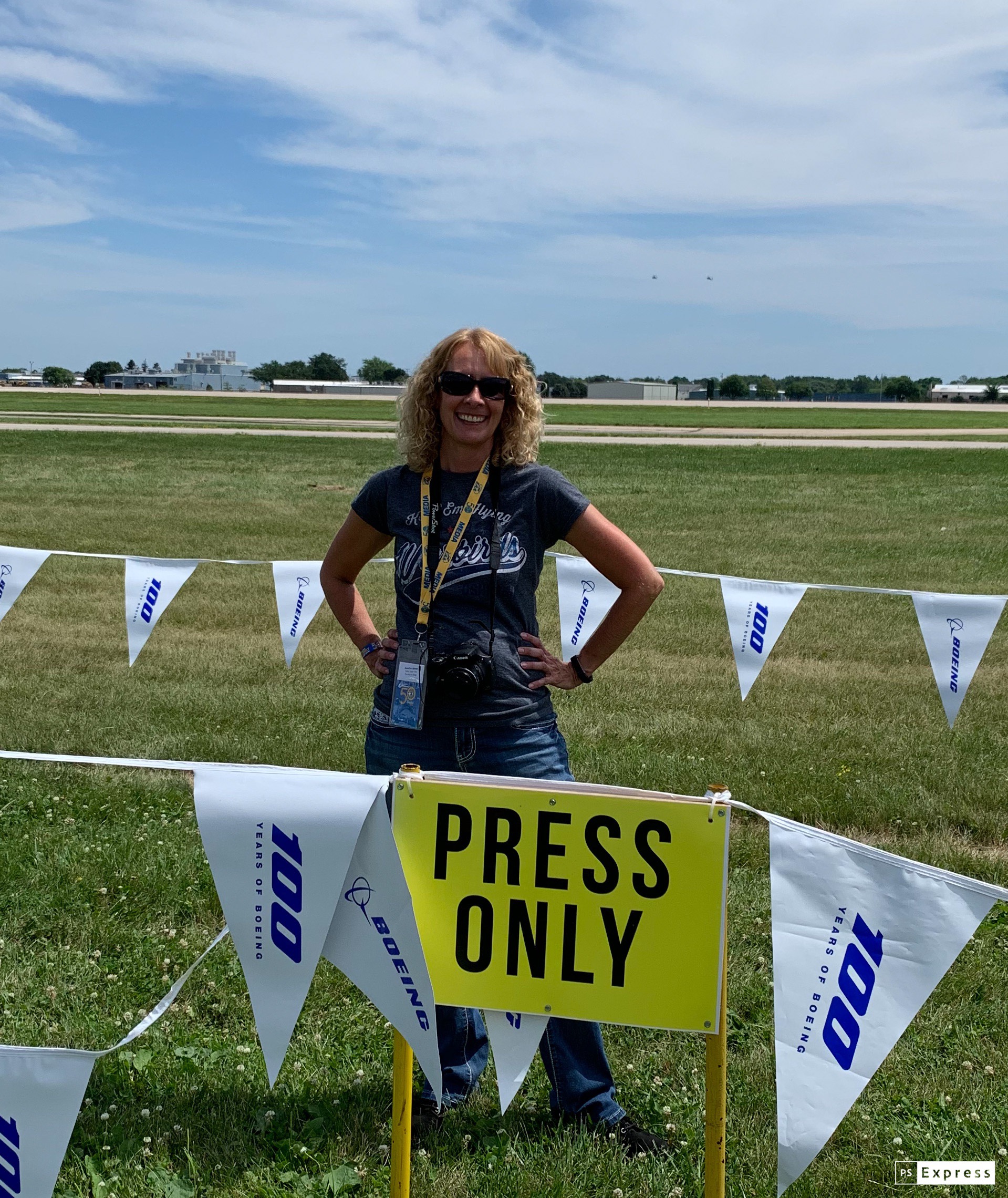
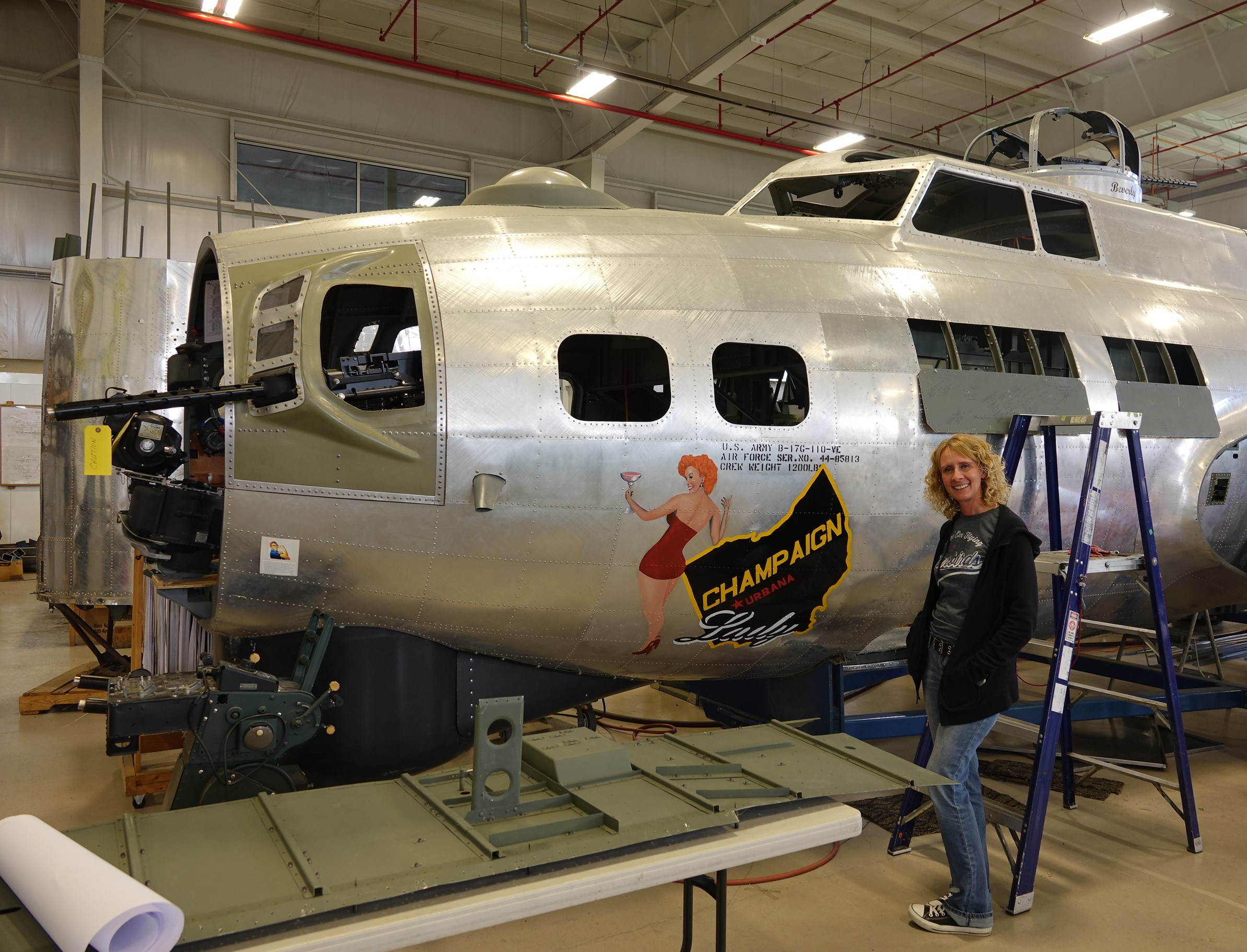
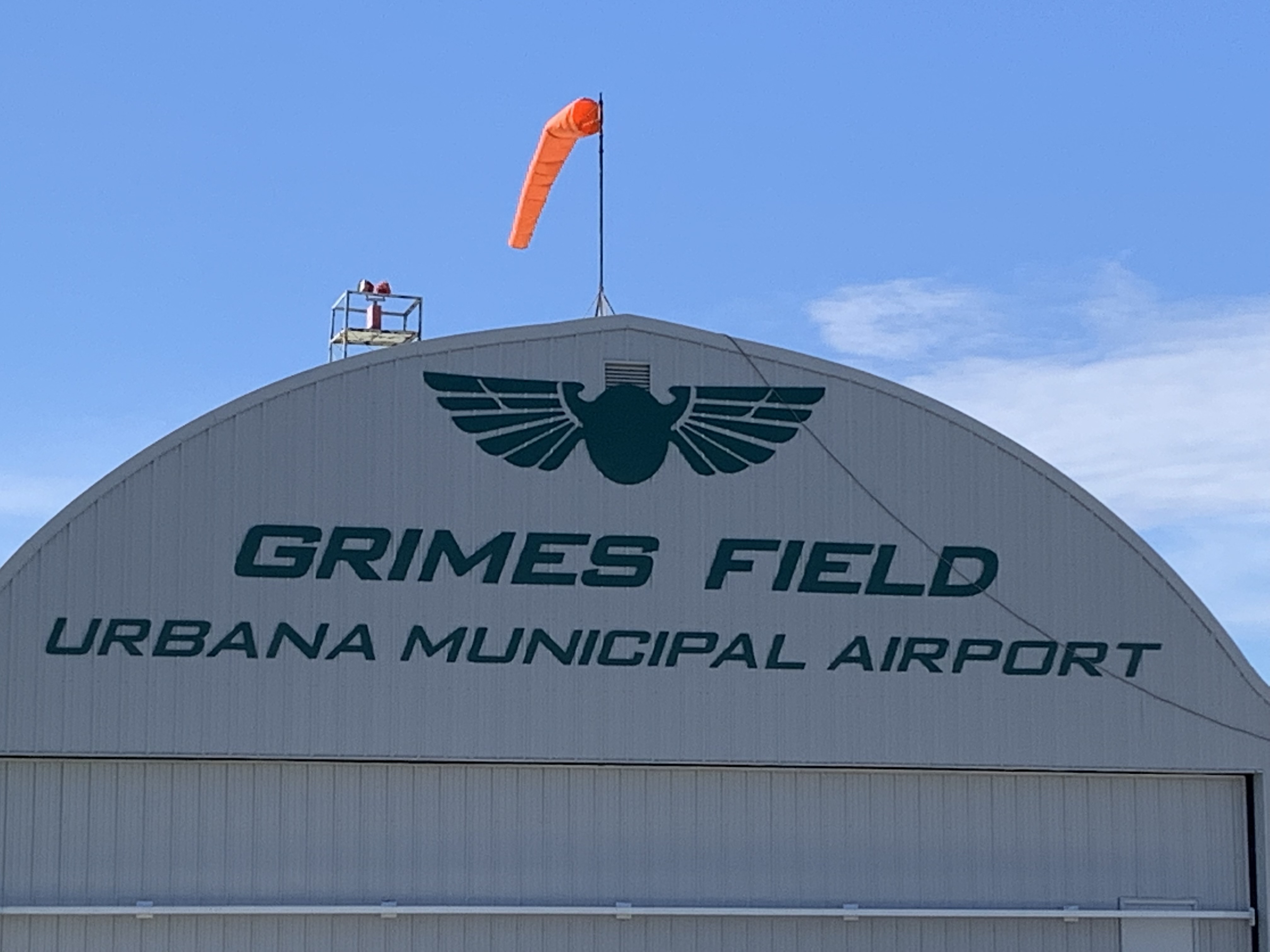 Regular readers may recall that earlier this year I set a goal for myself (and anyone else who wants to play along) of checking out at least 5 GA airports not previously visited. That’s right- it’s the 2019 Airport Challenge! Recently I took a step towards meeting that goal by spending a day at Grimes Field in Urbana, Ohio. This little airport has pretty much everything you could ask for: plenty of GA traffic, an excellent restaurant and not one but TWO aviation museums!


 Woah! 100 posts? Have I really written that many? Actually… now that I’ve added them up it turns out I’ve written 103 altogether! Apparently I sailed right by the big 100 milestone without even realizing it. Oops!
 Of course when I hit publish on that first post I had no idea whether anyone would actually read it. 100 posts later, I’m a bit shocked to discover I have readers from over 120 different countries. (Seriously? Wow!) As you might imagine, many come from places like the US, UK, Canada, Australia and France. However there are some readers from countries I didn’t expect, like Aruba (reading about stairs trucks on the beach, no doubt) and Nepal (probably learning about deicing whilst hiking the Himalayas).
 My most viewed post so far is:
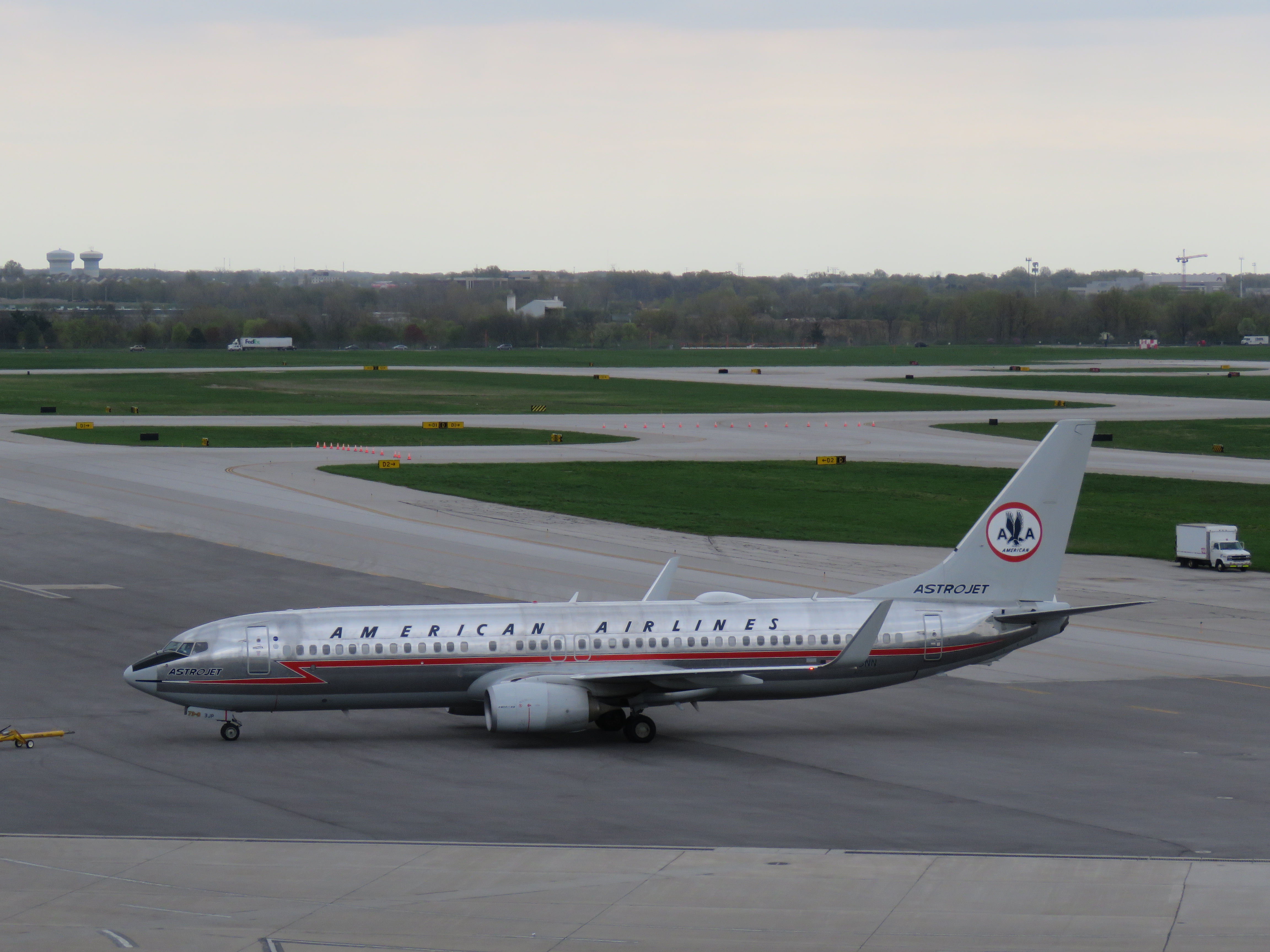
 According to a quick Google search, Pittsburgh International Airport saw around 9 million passengers in 2018. Chicago Midway had 22 million. Tampa had around 21 million. My airport saw just over 8 million passengers – the most ever. That’s great! Or is it? How does an airport know whether the number of passengers they are serving is good or not?
 I can’t speak to how other airports collect passenger data, but my airport does it via monthly reports that are submitted by the airlines. Each report includes the type of planes used, the number of landings for each, the number of passengers, etc. From that information we can determine the total number of seats and, in turn, calculate the load factors for each airline, as well as an average load factor for all flights during the month.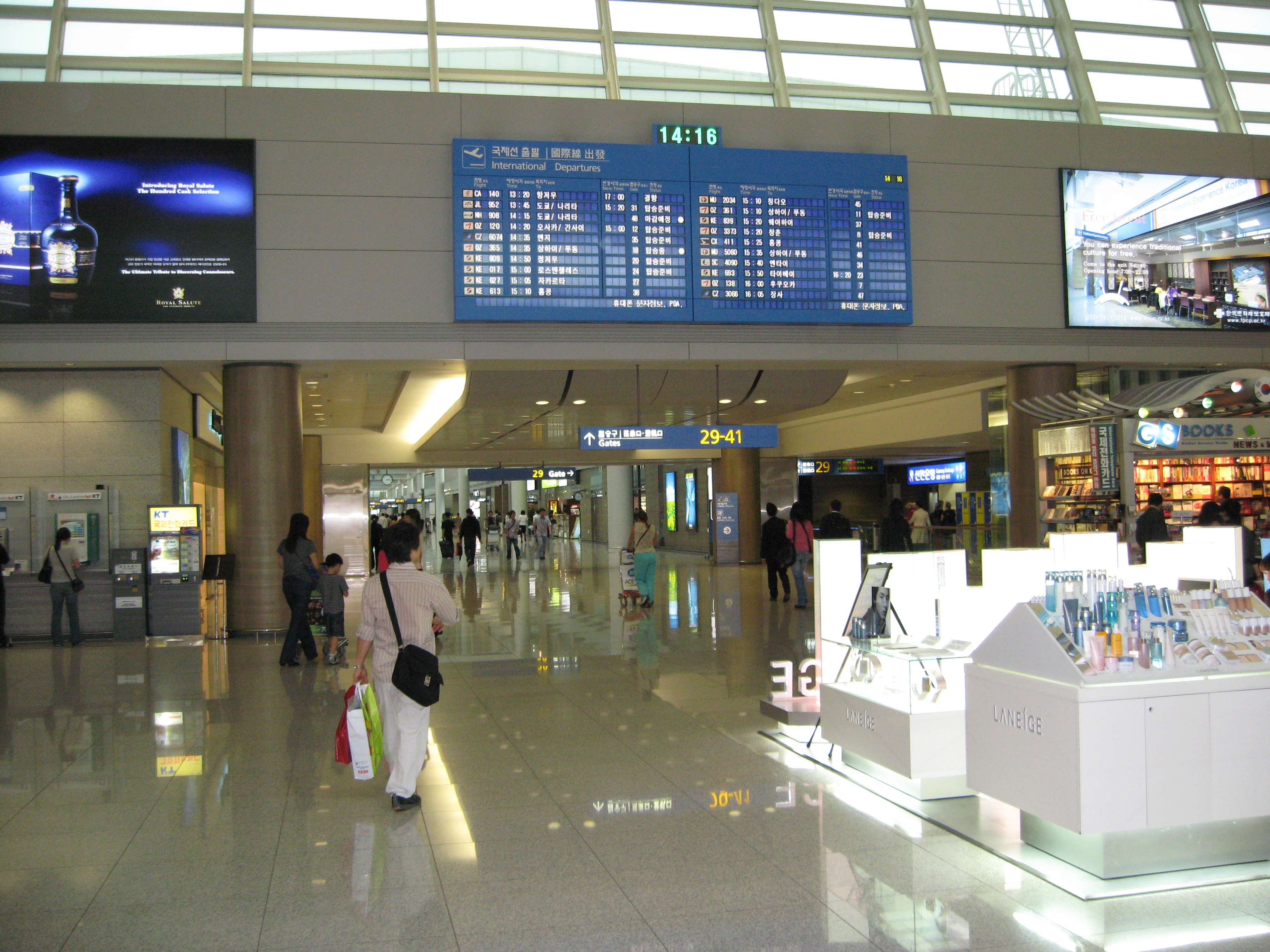
 Max effect

 Tales from the Terminal