This is not the blog post I intended to write. I originally planned to outline all the things that avgeeks can do to try to cope with Severe Aviation Deficiency (aka S.A.D) brought about by the current pandemic. I may still write that post eventually. But the fact of the matter is, I don’t want aviation subsitutes. I want real airplanes and I want them RIGHT NOW.
I know, I know. I’m being selfish and silly and maybe a bit juevenile. But as I’ve written before, aviation is more than just a passing interest. It’s a passion. It’s therapy. It’s a community. And I’m REALLY missing all of that.
 If you’ve been reading this blog for awhile then you may recall that my mother passed away last year. I still miss her a lot. Then a few weeks ago my brother’s wife had a massive stroke. She collapsed suddenly and had to be life-flighted to a hospital for brain surgery. She survived – a miracle in itself – but she’s facing a very long road to recovery. I’ve been helping my brother with his blog, which he is using to keep friends and family informed.
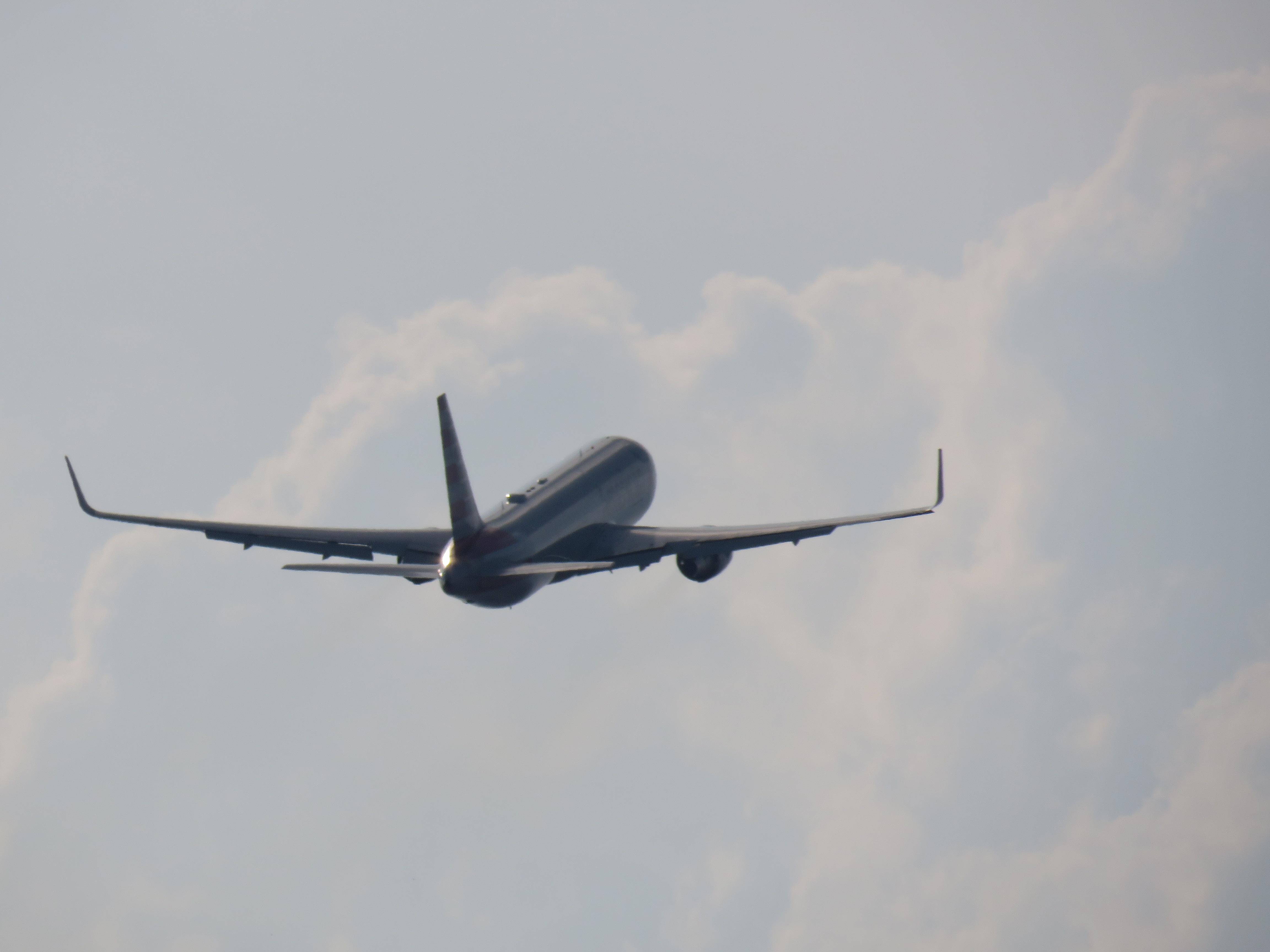
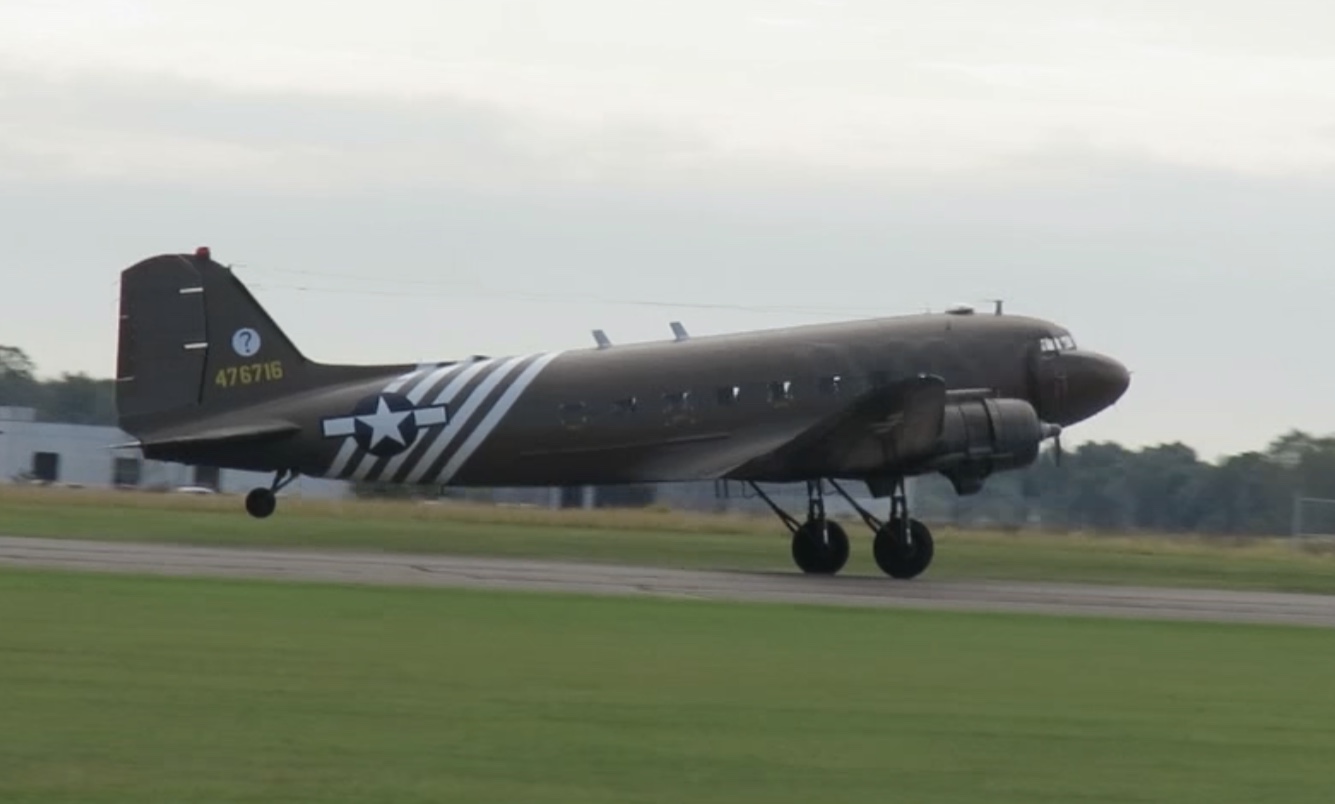
 So you see, I’ve been in dire need of a little aviation therapy. Unfortunately, I’m not at the office these days so the only planes I see are those that happen to fly over my back yard. Then I got an email with two small words that brightened my whole week: military charters. TWO of them! A B767 AND a B777 – planes we rarely get to see. Better still, they’re being flown by an airline that rarely visits. This, my friends, was just what the doctor ordered!


But would I be able to catch both flights? After all, I’m working from home so I can’t just take a break and go upstairs for a few minutes. I need at least half an hour to drive to the airport, park and get into position. As luck would have it, the B767 arrived on a Friday evening. It was delayed until well after I had finished work for the day, so I had no trouble getting there in time to see it.
 The B777 on the other hand, was much more of a challenge. It was originally scheduled for a Saturday arrival, which would have been great. Then they pushed it back to Thursday morning. Noooooo! Not good! But… a B777! In my nearly six years at the airport I’ve never seen a B777 there. I did NOT want to miss it. What’s an avgeek to do?


I did the only thing I could think of: I took time off work so I could spend time at the office. I know – that sounds completely ridiculous. (Thanks pandemic!) But hey, I did what I had to do. And it was soooo worth it – not just for the airplane (which was fantastic) but for the time I got to spend around other spotters. Thankfully, it is easy to watch airplanes and still maintain an appropriate distance from others.

A spotter and his dad.
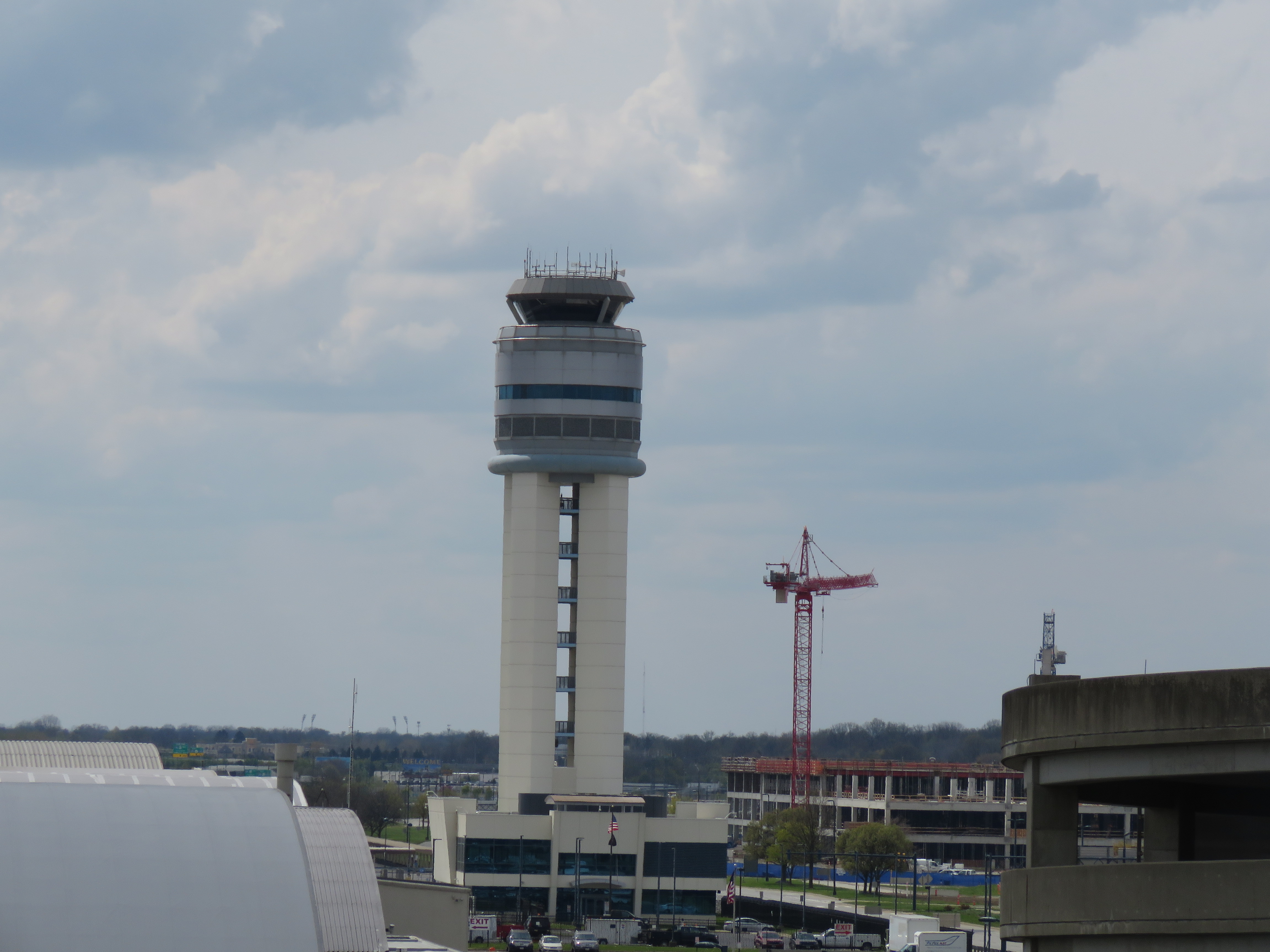
Actually, I was surprised how many people were there, including a number of younger spotters I had never met before. Several parents and siblings had also come along. There were so many faces peering over the wall of the parking garage that it caught the attention of some members of the Airport Operations Department. After the 777 parked, they came upstairs to greet the spotters and talk to them about possible careers in Operations. How cool is that!? I am SO GLAD I work for an airport that appreciates and encourages a passion for aviation!
So, am I feeling better now? Yes! It makes me happy to know that there are still cool airplanes and interesting liveries to see. And if having more free time during the pandemic has encouraged new avgeeks, then that’s a silver lining that makes life’s challenges a little easier to bear. 




 Before the stay-at-home orders for the Covid-19 pandemic started, I was able sneak out to Pensacola Beach, Florida for a quick vacation. I had hoped to make a return visit to the Naval Air Museum while I was in the area, but it was not open to the public. Instead I drove over to Mobile, AL to visit Battleship Memorial Park.
 As the name suggests, the main attraction is the USS Alabama, a World War II-era battleship. Parked right next door is the USS Drum, a Gato-class submarine. Both were open for self-guided tours. I have never been on any kind of military vessel before… oh my goodness the crazy steep stairs! I cannot imagine what it must have been like to climb up and down them while out at sea. Needless to say I have an even greater appreciation for our Navy and Marine service members .



 There’a an ancient curse (of unclear origins) that says: May you live in interesting times. Sadly, times are very “interesting” right now. The impact of Covid-19 has hit the world like a steam roller.


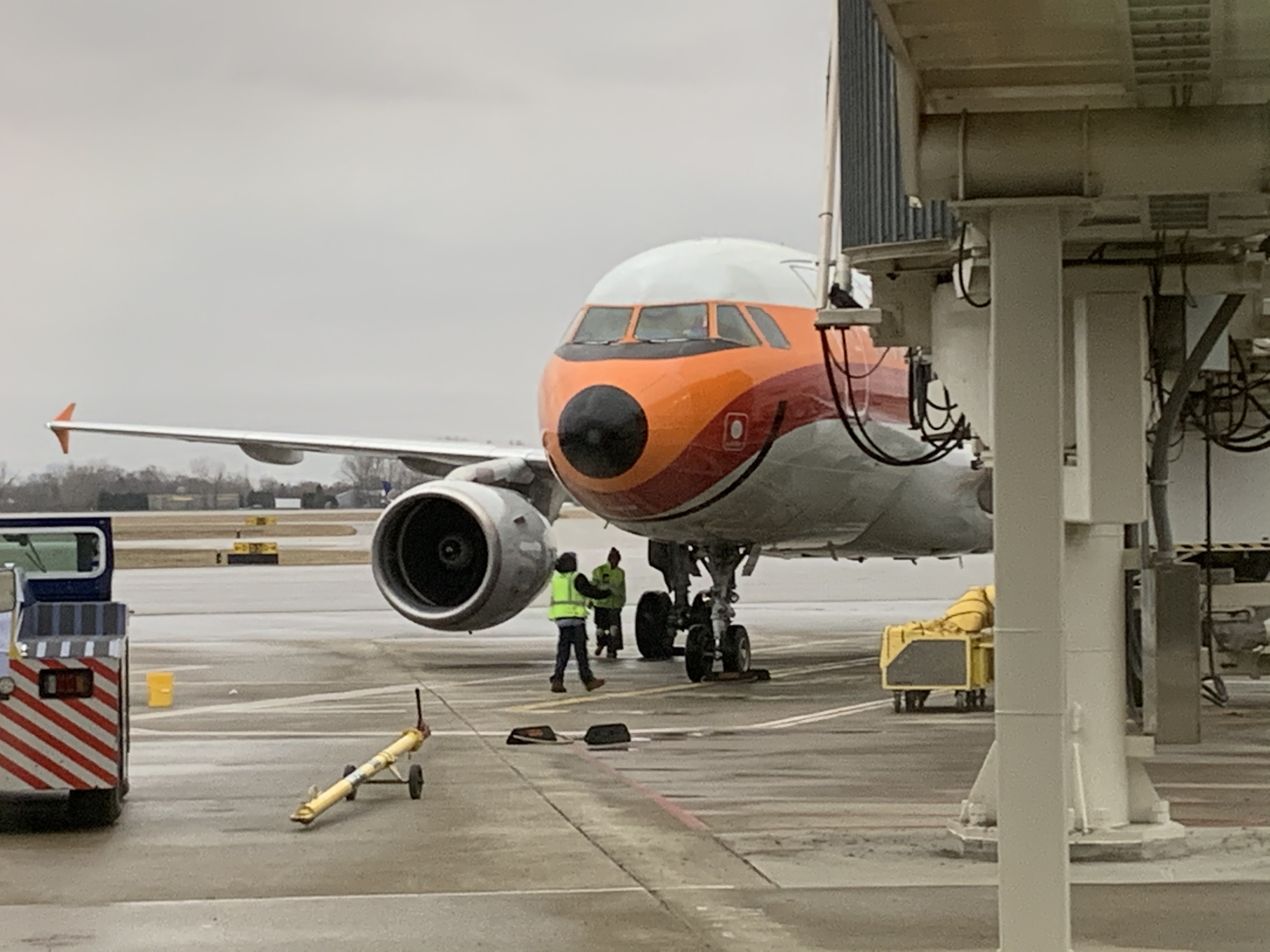

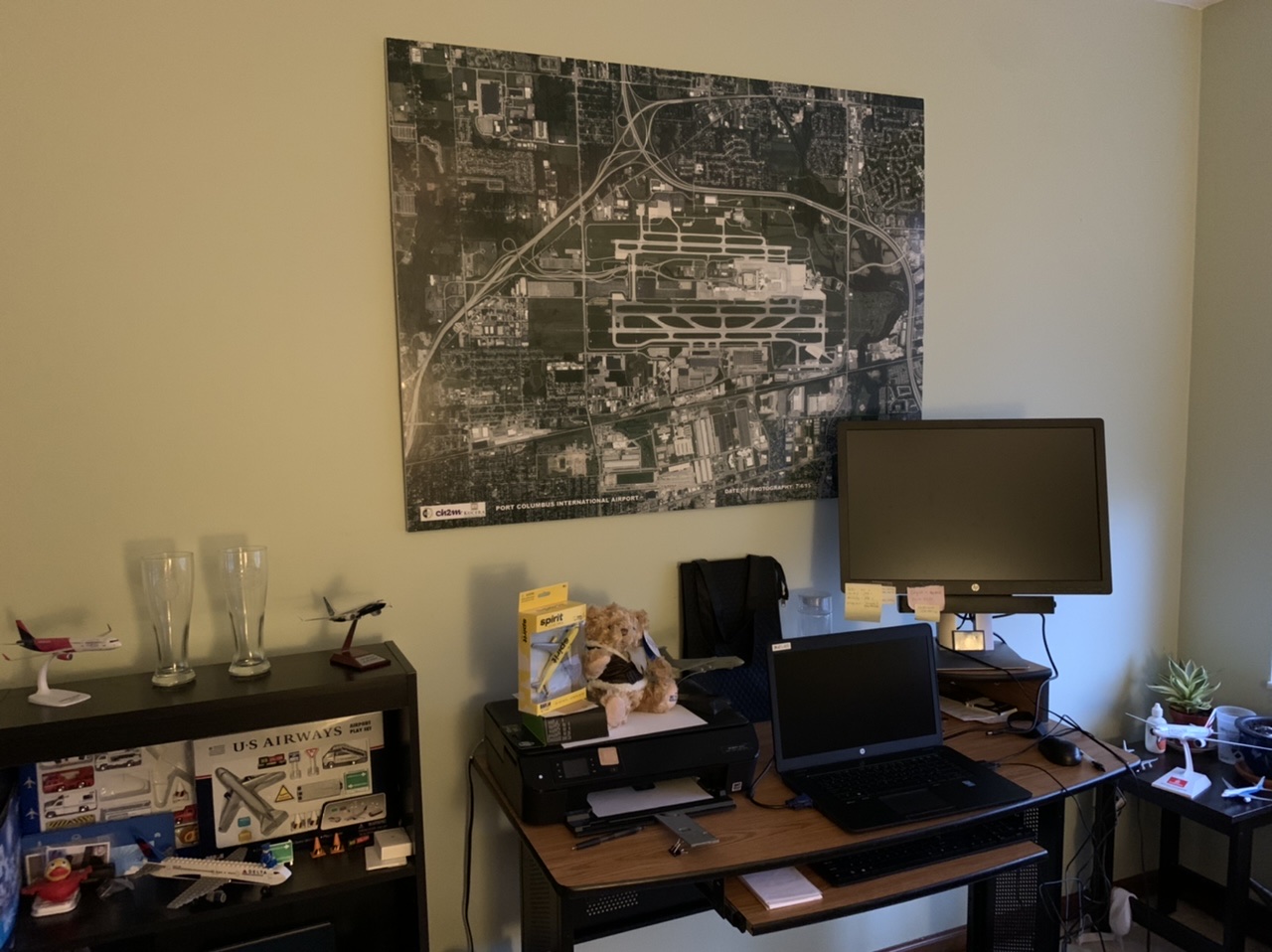




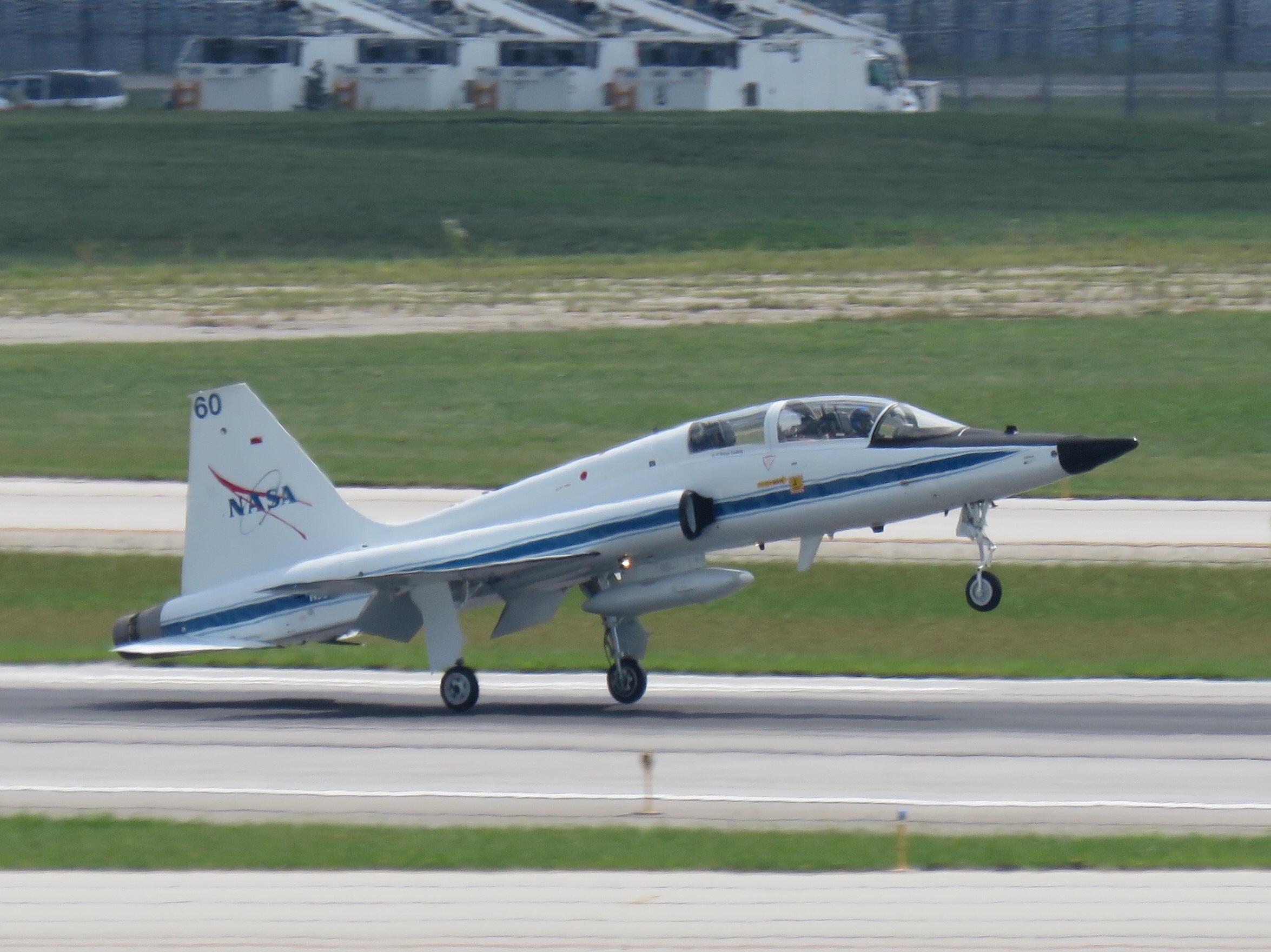
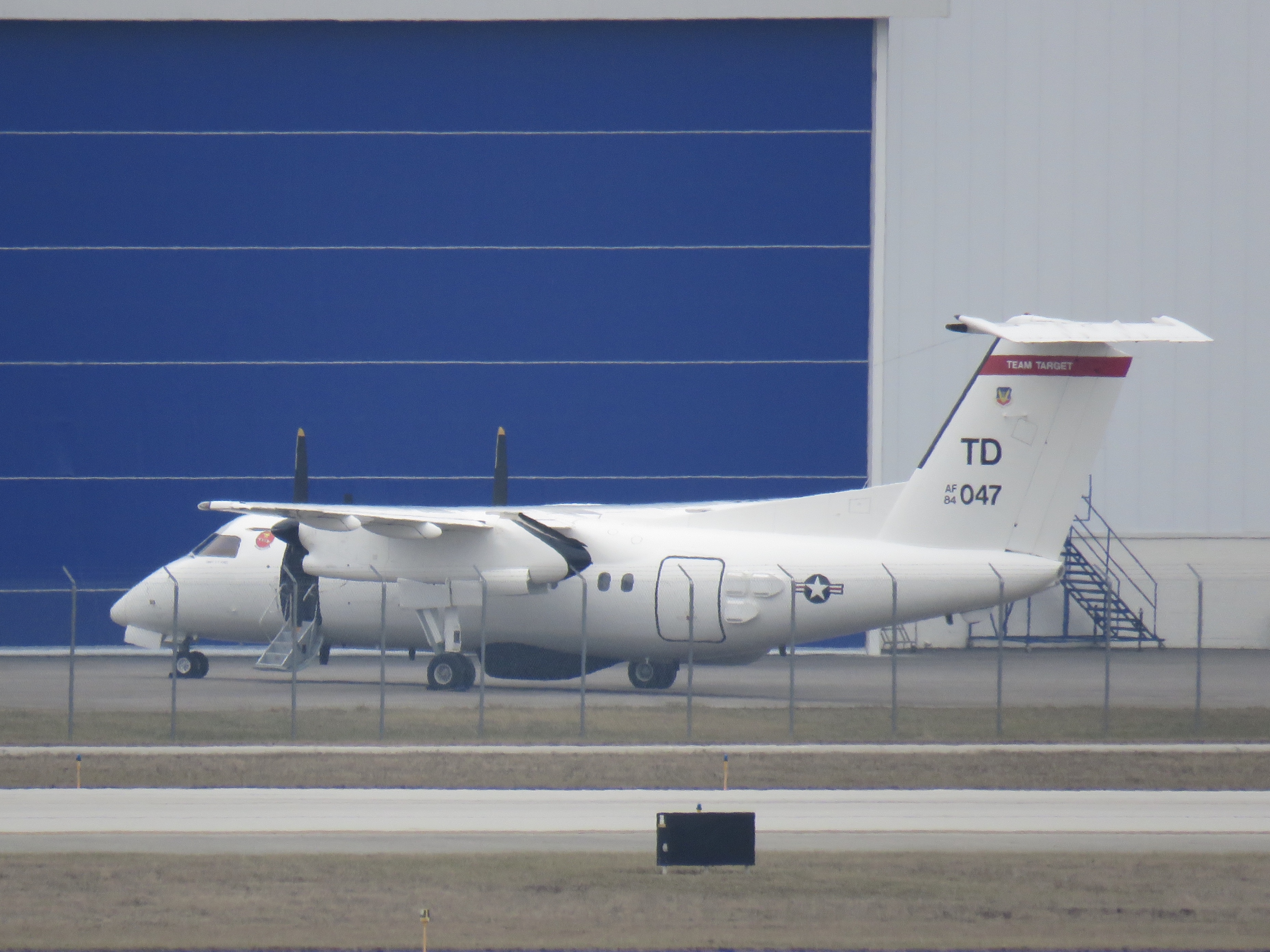
 If you are interested in non-commercial planes then you really MUST listen to a scanner. There have been several instances where I’ve been watching traffic on one runway when an exchange with ATC alerted me to something interesting on approach to the other. Also, make sure you really look around carefully. I pull out my camera and zoom in on the hard-to-see places at the far end of the airfield. More than once what I thought at first glance to be just another plane turned out to be something special when I took a closer look.





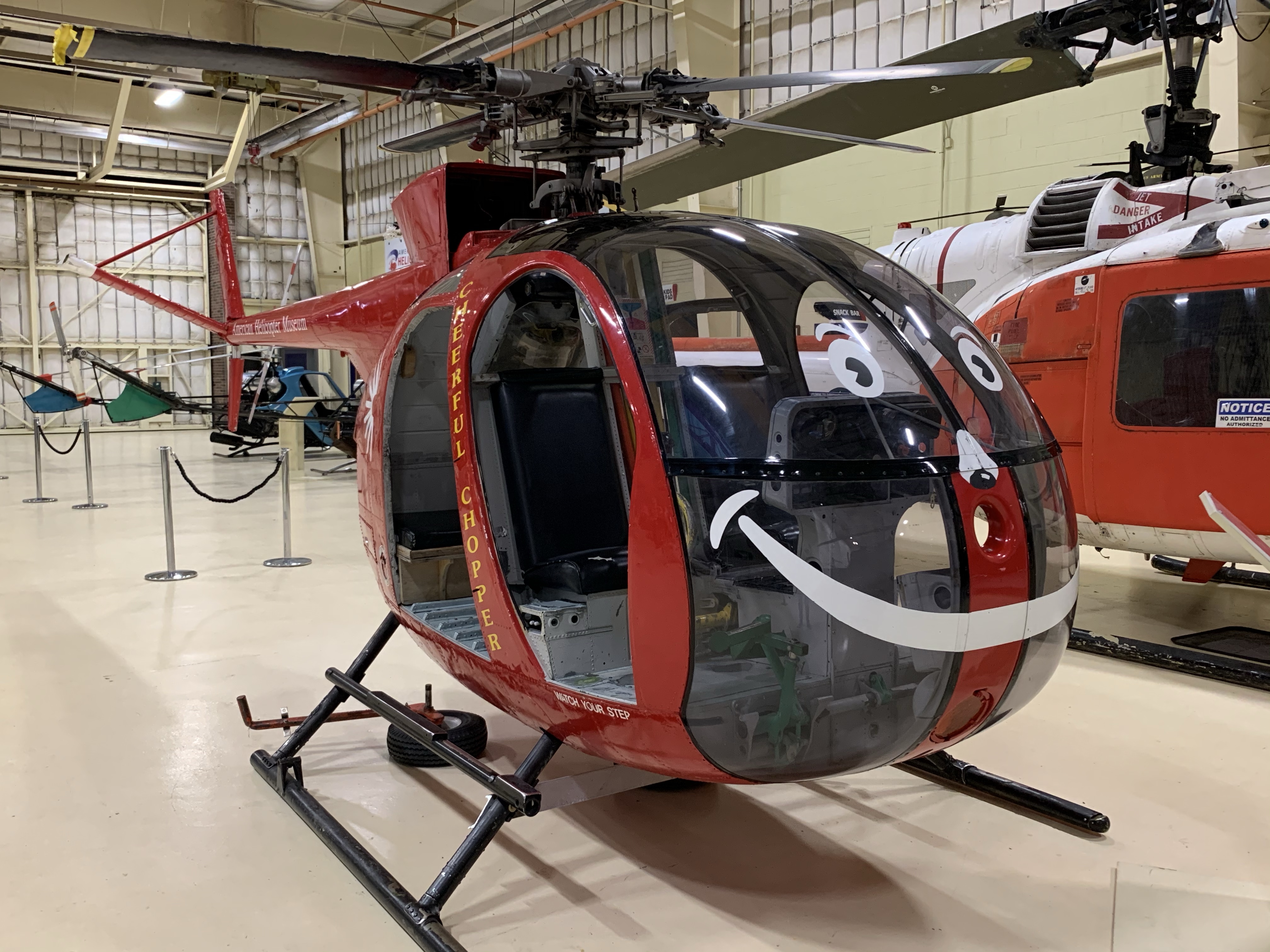 American Helicopter Museum


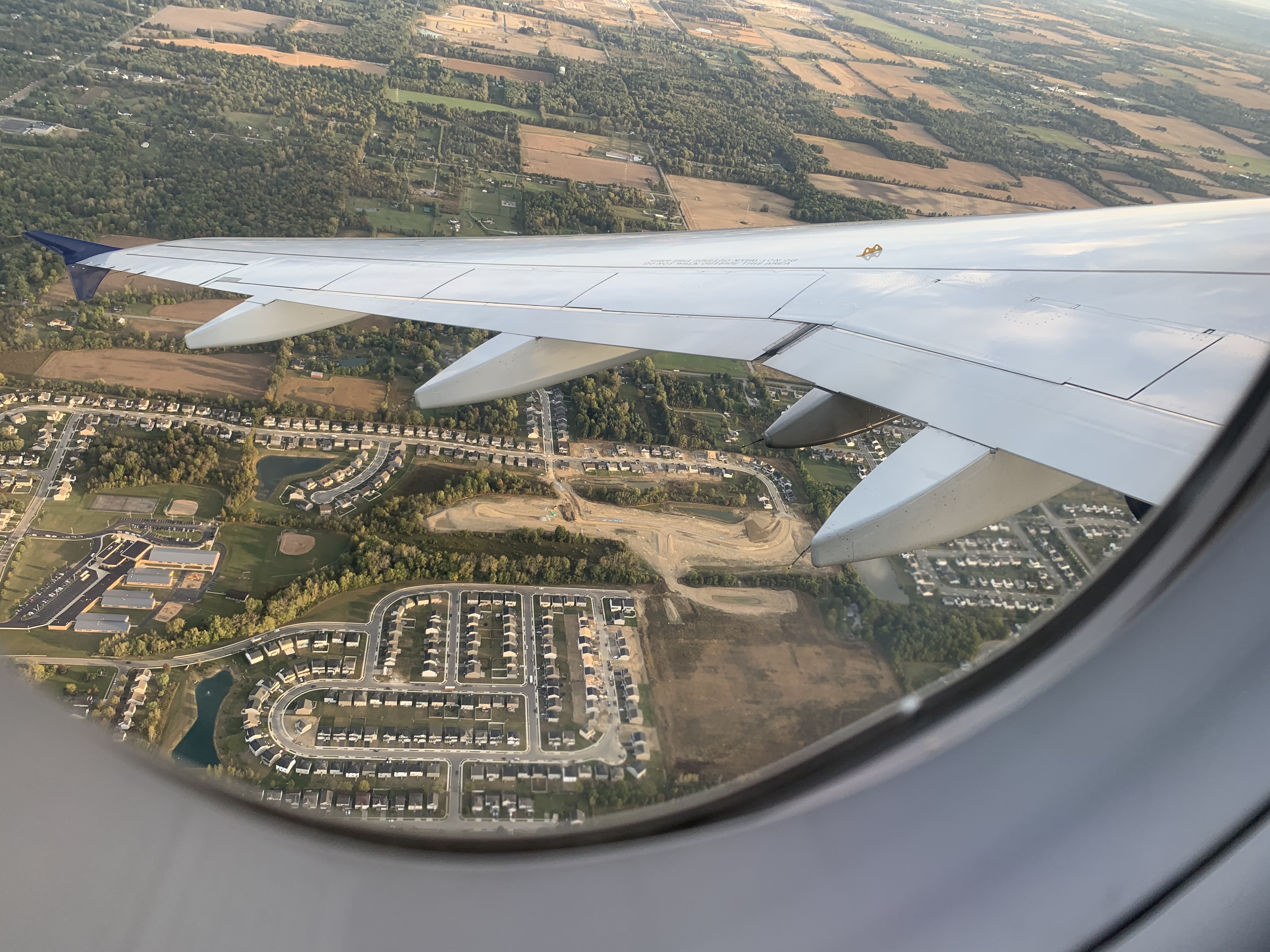


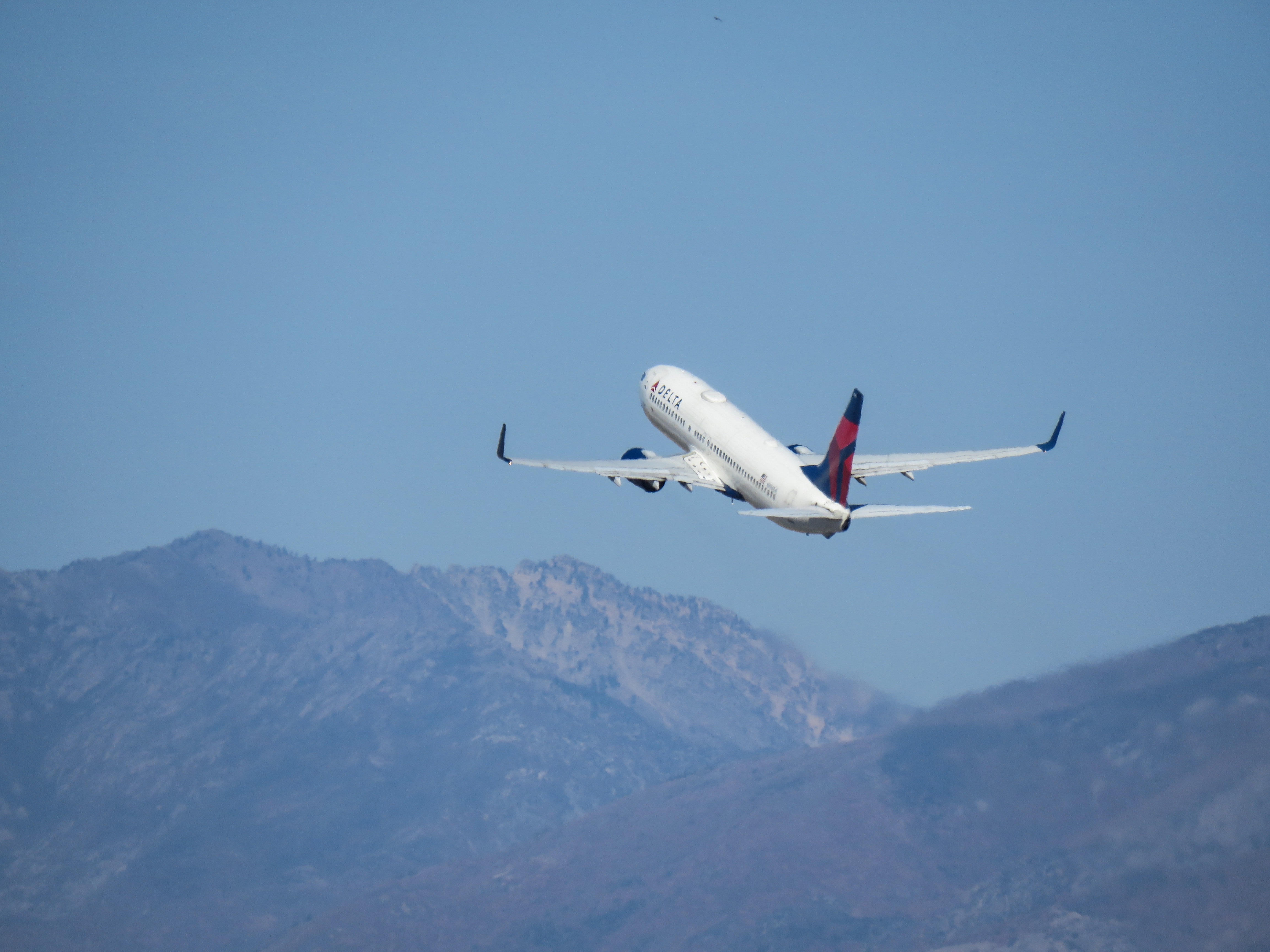

 ATC
ATC Airport Vehicles
 Really BIG Airplanes!
 Favorite Experience
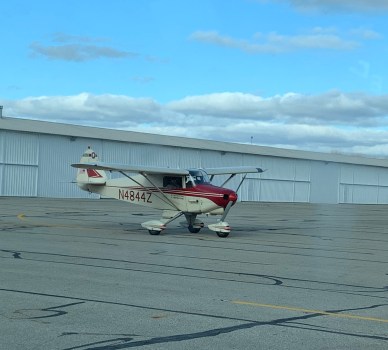 On the Wish List






 I see a lot of the smaller commercial airplanes around every day. I love them but let’s face it, seeing the same planes all the time can get a little boring. So it’s always fun when something new and different stops by. On a recent Tuesday morning I heard that a Boeing 767 had diverted with mechanical trouble the night before. The 767 might be a common sight at some airports but it is a rarity for us, so I made a point of searching it out.
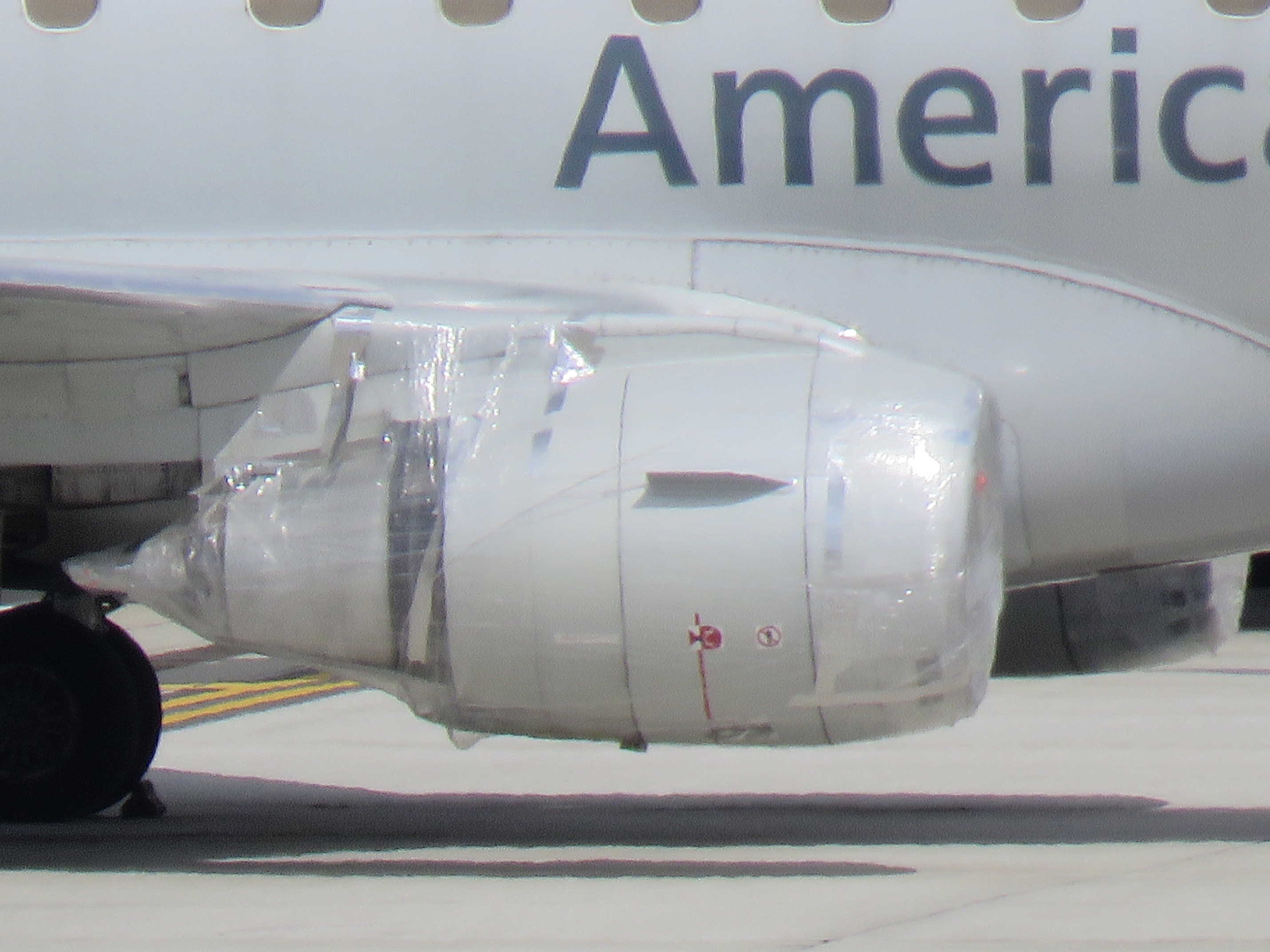
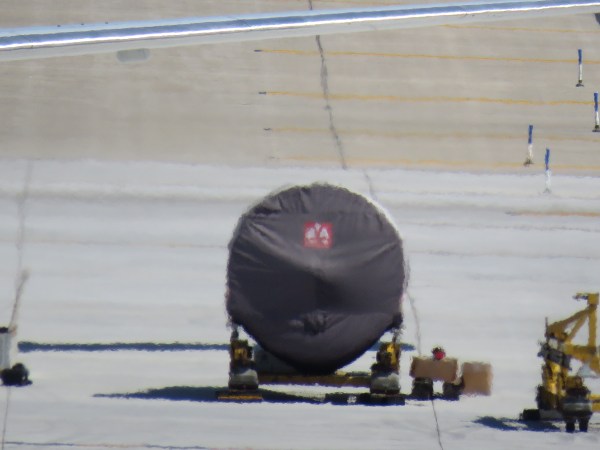 Wrong! When I checked on the plane the next day I found that it had been moved from the gate to a parking spot on the ramp. Sitting nearby, covered in protective wrap, was the unmistakable shape of an engine. What the… Oh my goodness! They really ARE going to swap engines on the ramp!
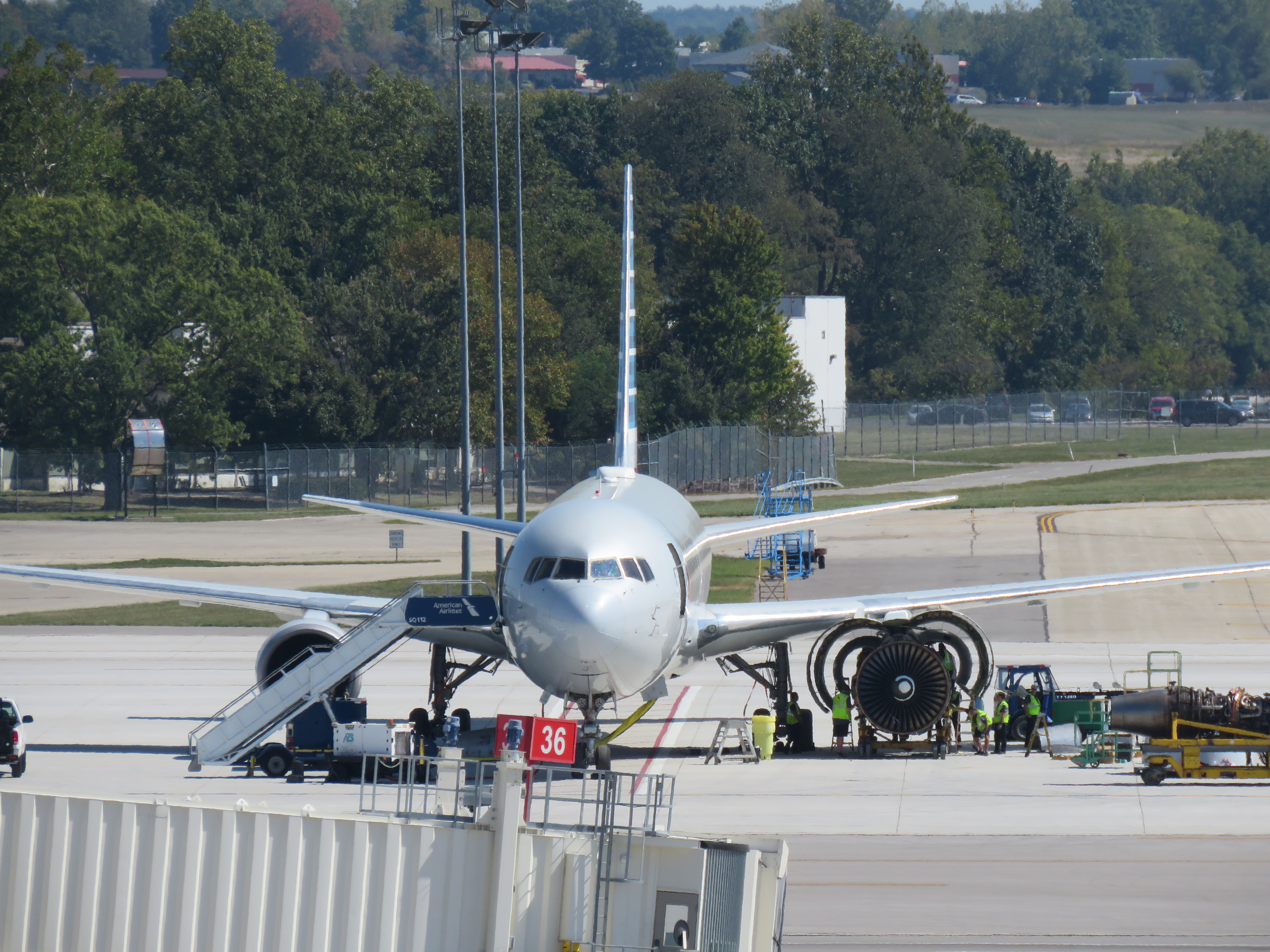
 I decided right then and there that I was going to stalk the heck out of this airplane. For the next several days I spent every spare moment watching as the work progressed. I got to the office early so I could check in before heading to my desk. I spent my lunch break outside. I stayed late after work. I was kind-of obsessed. OK, actually I was TOTALLY obsessed. How often does an engine change happen out in the open for the whole world to see?
 When I returned Thursday morning I discovered that they had managed to remove the old engine before calling it quits the previous day. The plane looked pretty strange sitting there with one engine missing! It did not stay that way for long. By mid afternoon the new engine had been hung on the wing and when I left work Thursday night they were still busily reconnecting the hydraulic, fuel and electrical lines.
 AJ told me that weather presents the biggest challenge when working on the ramp. He has completed engine changes in the rain (which doesn’t sound like fun AT ALL). He also said that they will sometime construct a temporary shelter for protection while they’re working. If the weather is really bad they’ll stop work altogether. Equipment can present another challenge. If something breaks then a replacement will have to be brought in which can take time and cause delays.
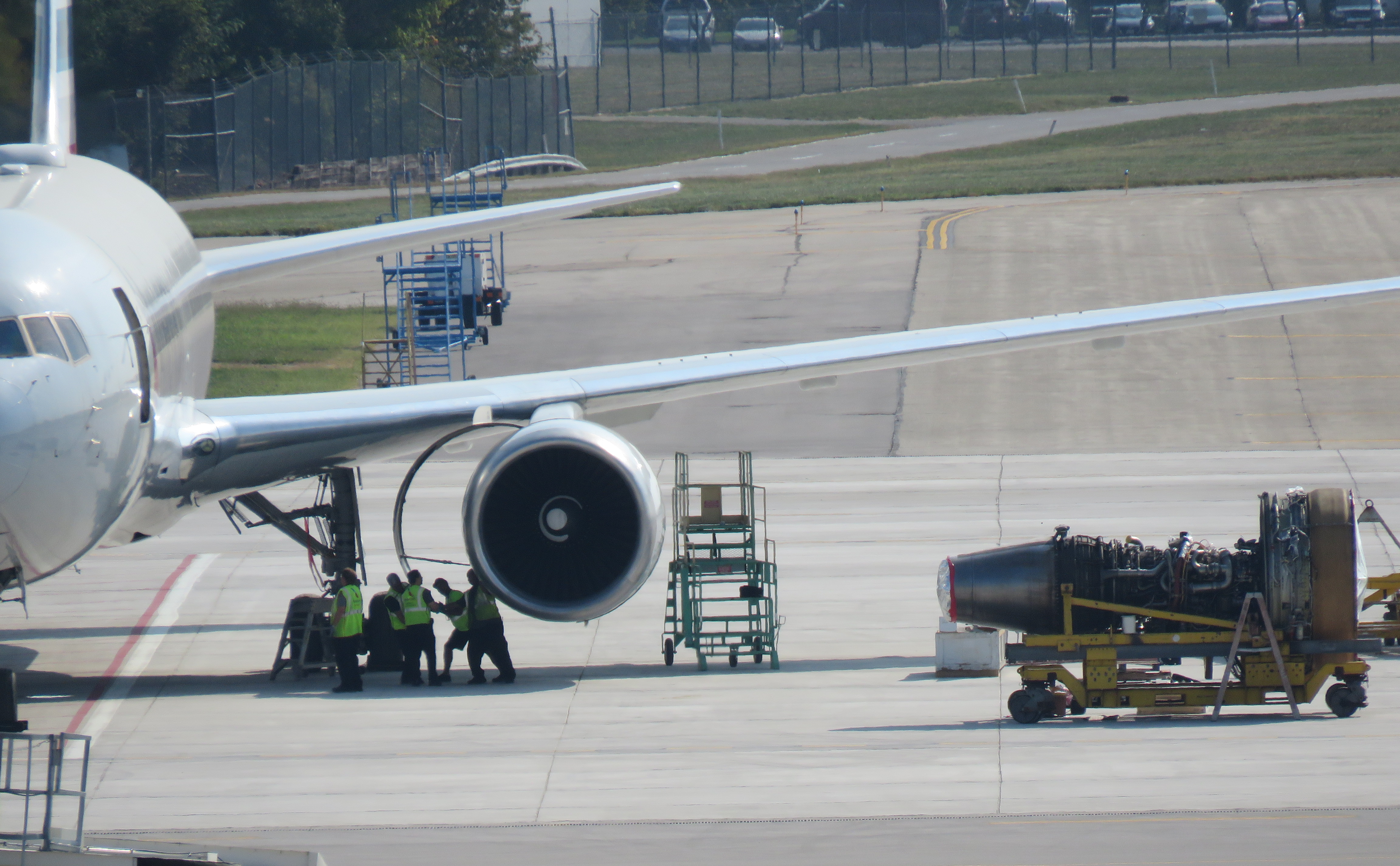 In this particular case the mechanics were blessed with lovely weather and (apparently) no equipment issues. Friday morning I watched as they closed up all the access panels and began moving the ladders and cranes away from the plane. I had spent so much time watching the work that I felt really invested in the outcome. I wanted to see the engines start up! I NEEDED to see the plane take to the sky!
 I spent the rest of the afternoon sweating it out at my desk. A departure time was scheduled and then pushed back and then pushed back again. That was the longest afternoon EVER. I dashed upstairs as soon as I finished work, just in time to witness the engine start. Hooray!