
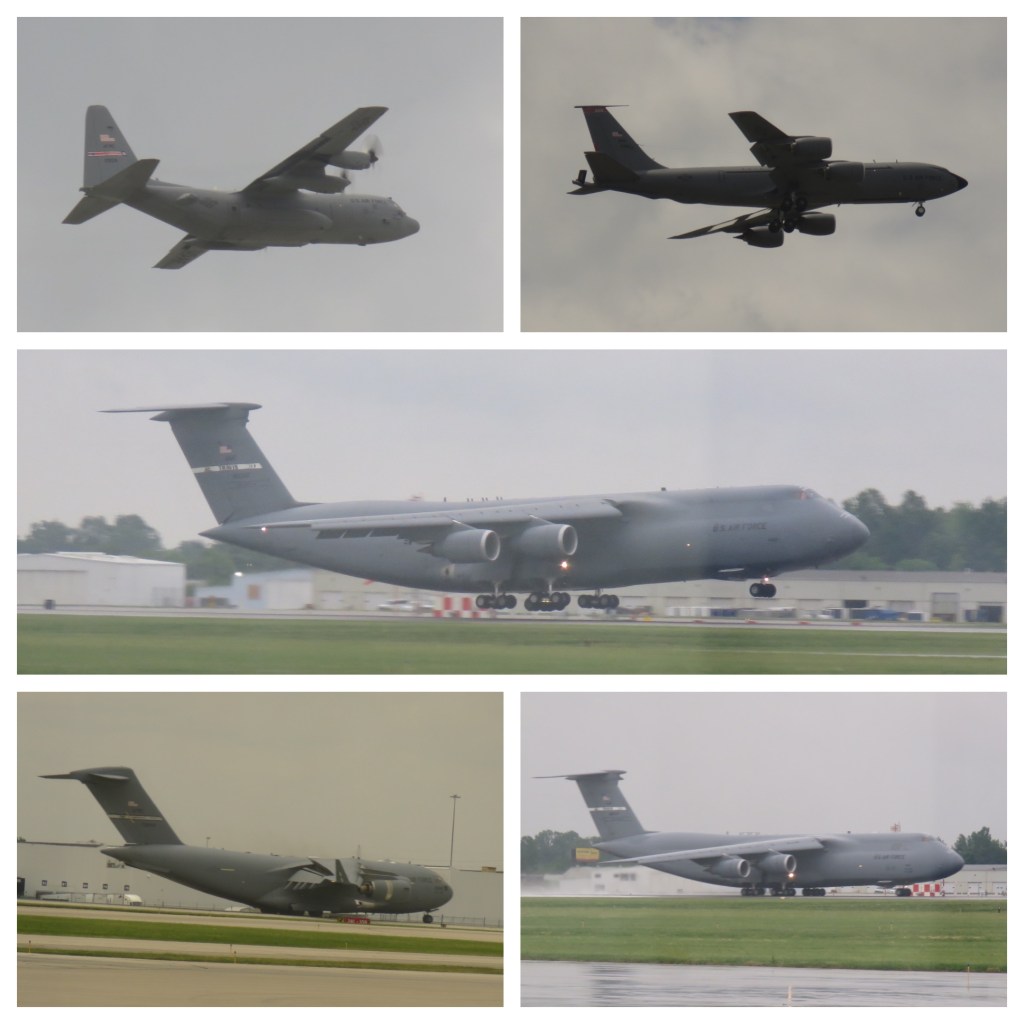
As everyone knows by now, there is a war going on in Ukraine. It’s a war that affects us all to one degree or another. But I didn’t really expect it to impact me at work very much. After all, our traffic is mostly domestic, with a few flights to Canada and Mexico mixed in. At least that’s the case at the passenger airport where my office is. Just down the road, however, is our cargo airport. It accepts flights from all over the world – including Ukraine and Russia.
When it comes to airplanes, I do not discriminate – I love them all! I marvel at the engineering and their capabilities. Flying is magic! I love seeing the different liveries and configurations and people who fly them. This is why I love the cargo airport so much. And why I need to get down there more often.
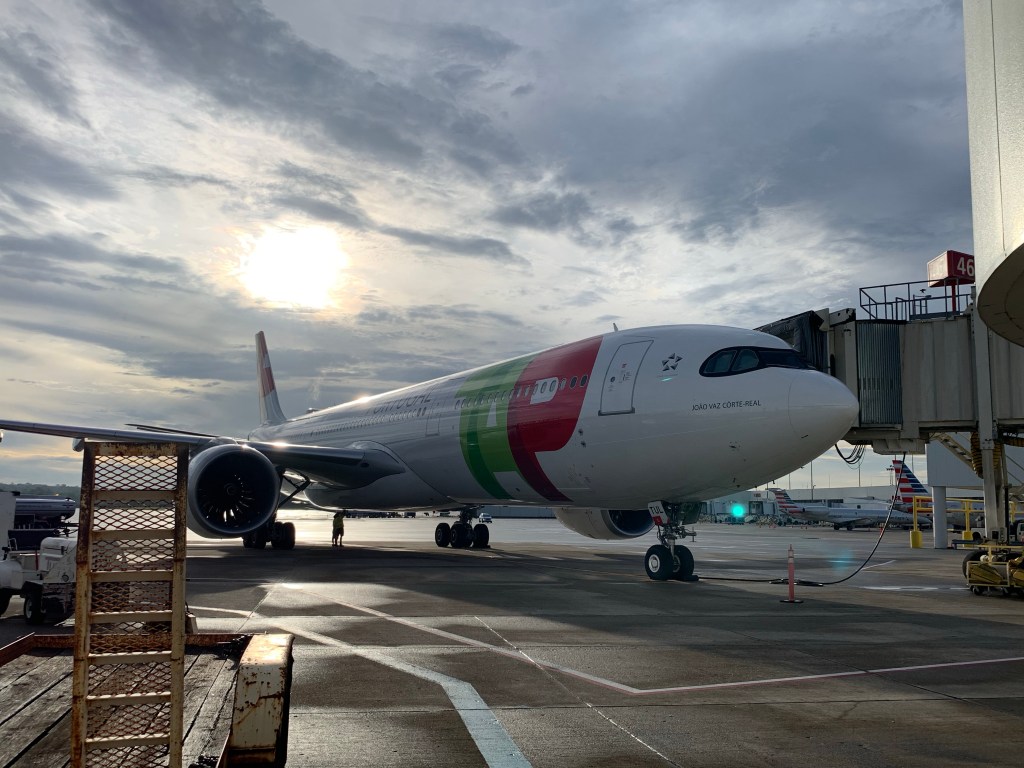
The most challenging aspect of my job typically involves invoicing – figuring out who to bill and how to get the invoice to them. In this regard I’ve run into issues with Ukraine and Russia before. There used to be an airline called Ruslan which was run jointly by the two countries. It ceased to exist in late 2016 leaving me scrambling to figure out who to bill for their final charges.
Since then both Antonov (Ukraine) and Volga Dnepr (Russia) have been fairly regular visitors. I love to see them come in because they both fly the AN-124, which is an incredibly impressive airplane. I’ve gotten up close and personal with a couple of them and have been awe-struck every time.
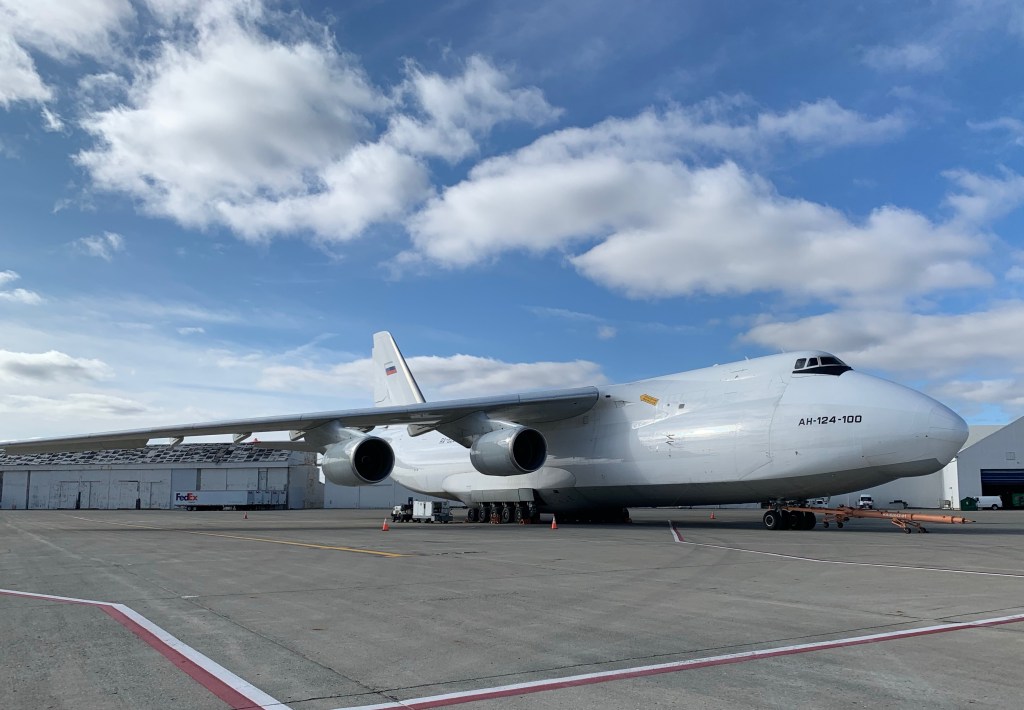
During the pandemic, however, their visits stopped. Perhaps they didn’t have any cargo for our area. Or maybe covid restrictions kept them away. Whatever the cause, the plane spotting community missed them. So you can imagine the excitement in mid-February when Volga Dnepr returned.
Then Russia attacked Ukraine. And sanctions were imposed upon Russia. Suddenly things got complicated. And in the midst of it all I had to send an invoice for FBO services to a Russian airline. Um… awkward!

At most airports the FBOs are independent operators. At our cargo airport, however, the airport authority runs the FBO. How does the billing work? Well the FBO keeps track of all the flights and the services provided. This includes things like turn fees (the cost of unloading cargo and then loading the outbound freight), lavatory services, de-icing, GPU usage, pushback services and fueling. The FBO also arranges catering for outbound flights and transportation to and from hotels for the crews. The details are compiled into a spreadsheet and sent to me at the end of the month. I then create invoices and send them to the responsible parties.
In the case of Volga Dnepr, we bill them directly for FBO services, but their fuel billing goes through another provider. We received an email from the fuel provider last week reminding us that they are required to abide by all laws and sanctions that have been imposed as a result of the conflict.

So what does all this mean? Well… I’m not holding my breath on receiving payment from either Volga or the third party fueling company any time soon. Perhaps not ever. I put a poll up on twitter about this situation. The results suggest most people agree with my assessment. I’ll have to send another invoice to Volga later this month for landing fees. In the meantime, I’ll be praying for peace.









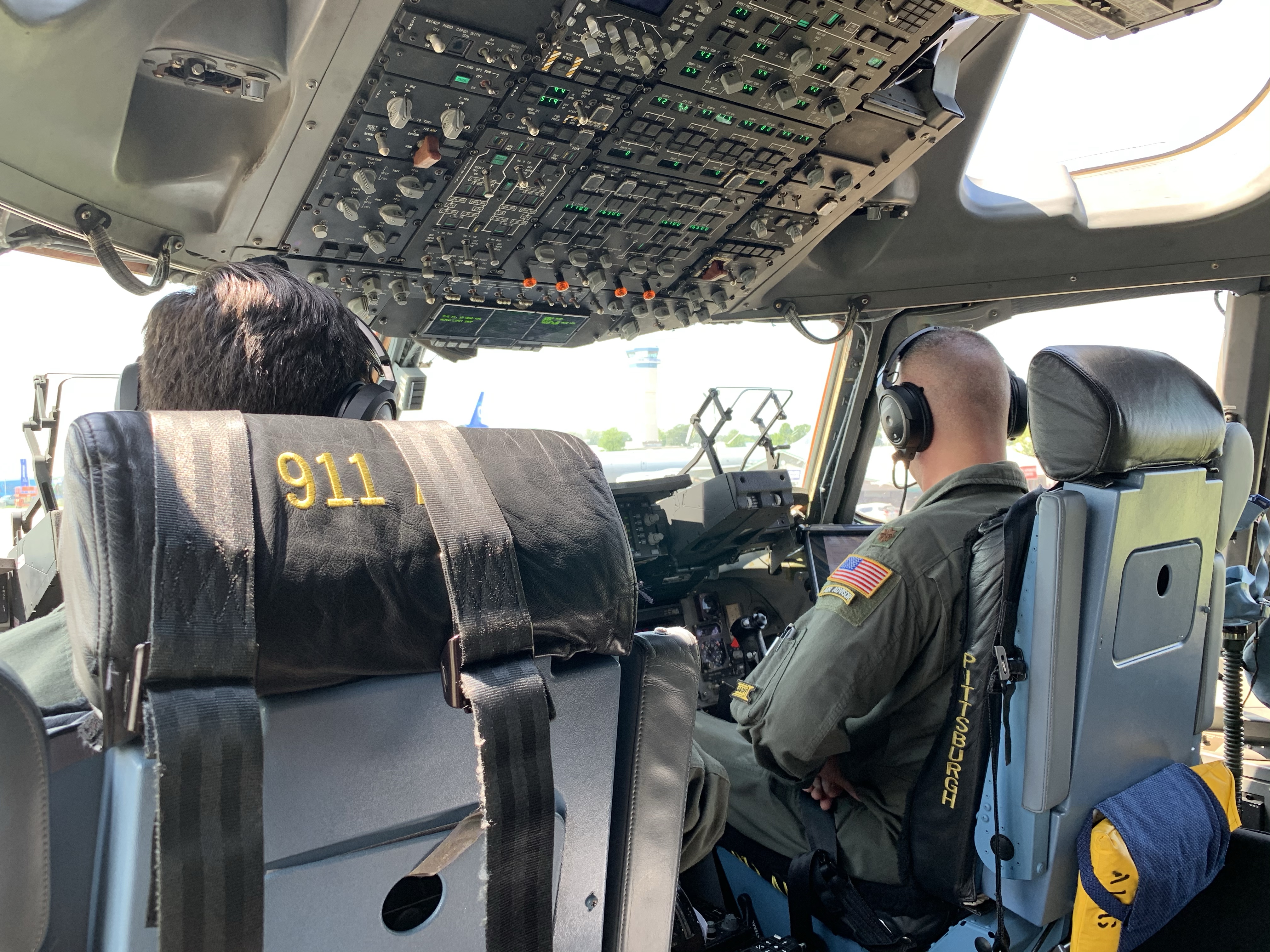


 I hate this time of year. I work long hours and it’s a struggle to get away from my desk. When I do get a moment free it is either too wet, too cold or too dark to go outside. Just the other day an Osprey flew in and all I could do was watch sadly through the office window. This is so not OK! Maybe the lack of airfield action is why I’m a little obsessed with winter operations. OK, actually, I’m a lot obsessed. But let’s face it – no other season allows me to get my fix of airplanes and big, awesome ground support vehicles all at the same time!
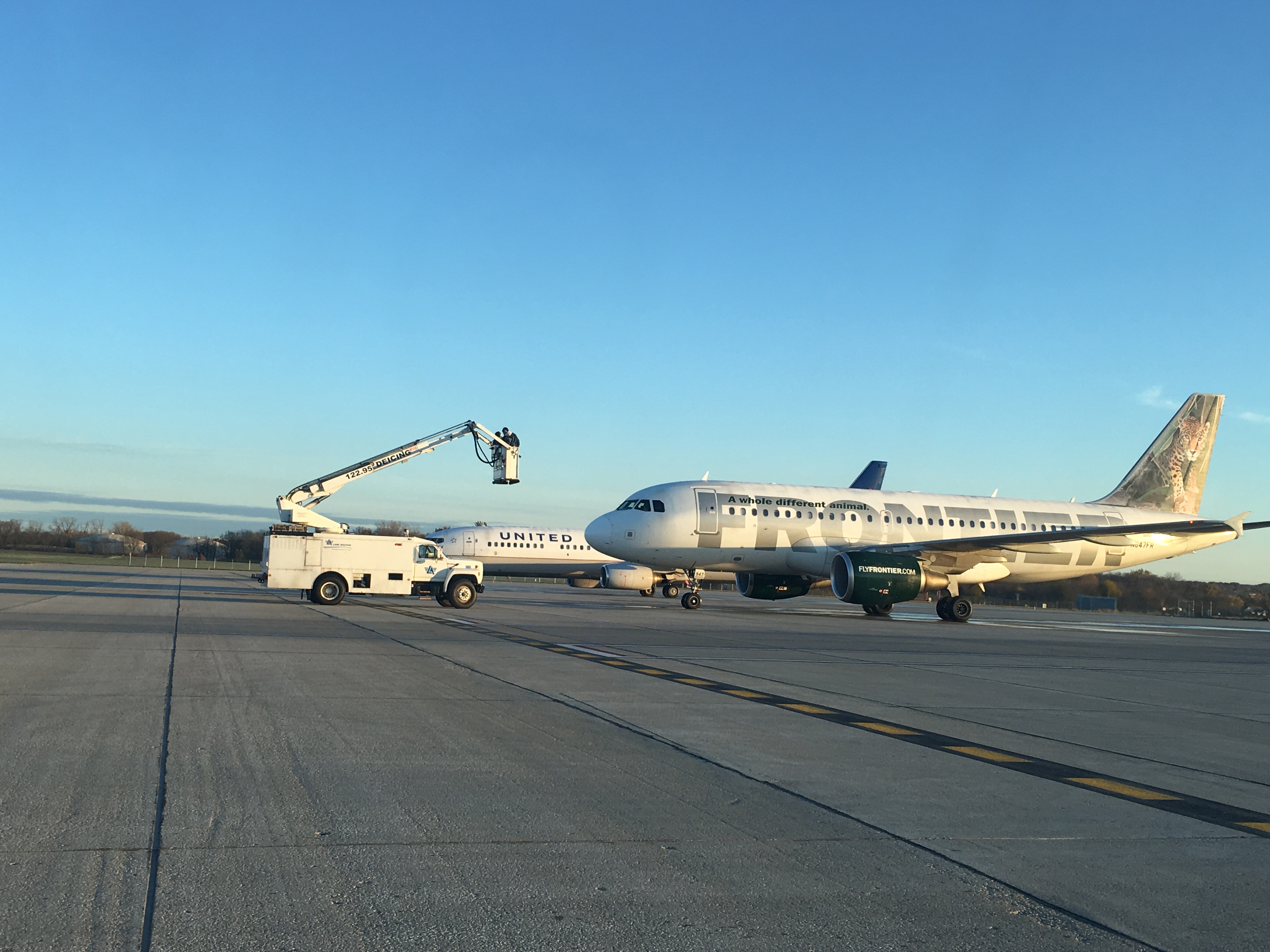 If you have been reading this blog for awhile then you know that last year I got the opportunity to help the Ops department manage the flow of traffic into and out of the deice pad. There was a lot to learn and it was kind-of stressful, but it was also incredibly cool. Unfortunately I’ve been unable to help out this year and I miss it SO MUCH! Wait… did I just admit that I miss being at the airport at 5am in freezing weather? Yes, I did. I know it sounds crazy, but I really enjoyed making a hands-on contribution to keeping the airport up and running.
 Preparation for the winter season actually begins in August. That’s when the airport starts stocking up on the chemicals and other supplies needed to aid in snow removal. In early fall we start hiring winter seasonal employees and the Airfield department recruits for additional snow warriors from among the other departments. I know what you’re thinking. If they allow other airport employees to help out in the winter, why on earth have I not jumped all over this opportunity? Please refer back to paragraph number one. Sadly, winter is the busiest time of year in accounting and it just isn’t possible to take on anything else.
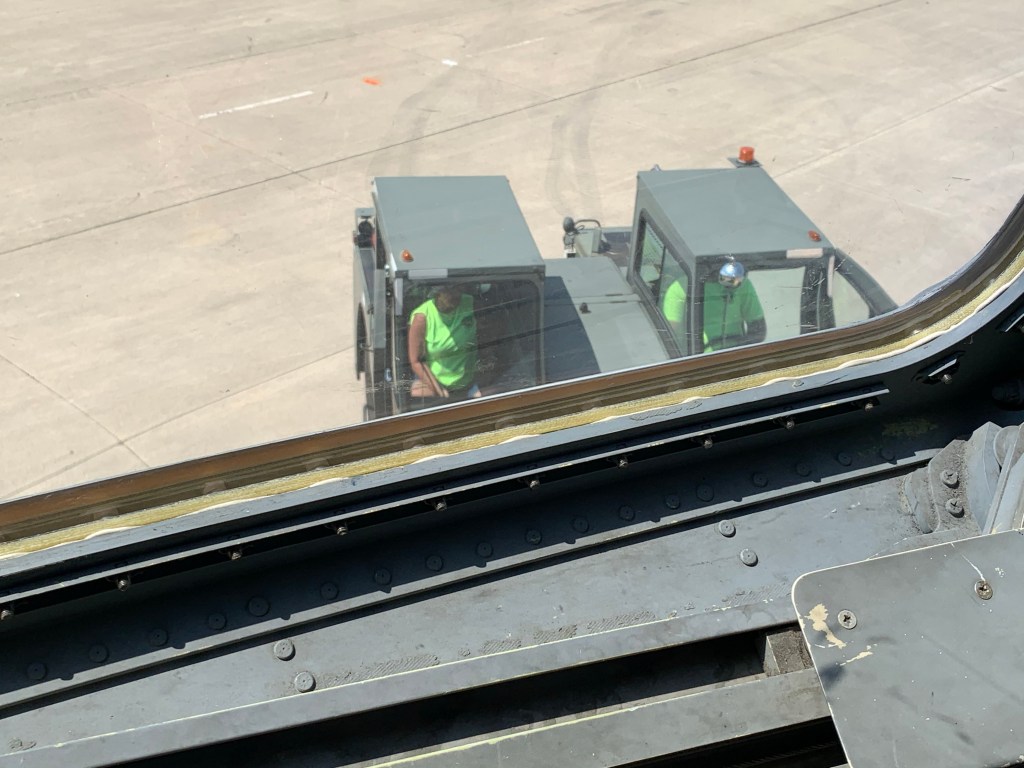
 This year we added serious muscle to our snow removal capabilities with the purchase of six multi-function machines. These ginormous vehicles have a plow on one end and a broom on the other. They are capable of moving huge amounts of snow in a fairly short amount of time. When it comes to ground support vehicles, these are the biggest and baddest of the bunch. Only the full-time airfield employees are allowed to drive them – no seasonals or helpers from other departments. Not surprising when you consider they cost three quarters of a million dollars each!
 Once the snow starts falling, keeping the airport open is a collaborative effort between Operations, Airfield Maintenance and ATC. One of these days I hope to score a ride along so I can get a first-hand look at the process. But for now I do what so many other avgeeks do – I bring up Flight Radar 24 and tune in to the tower on Live ATC. Listening in on winter operations at any airport can be fascinating. However, when it’s my airport it becomes quite personal. I know the people who are out there working, and when the weather conditions are bad I know what they are up against.
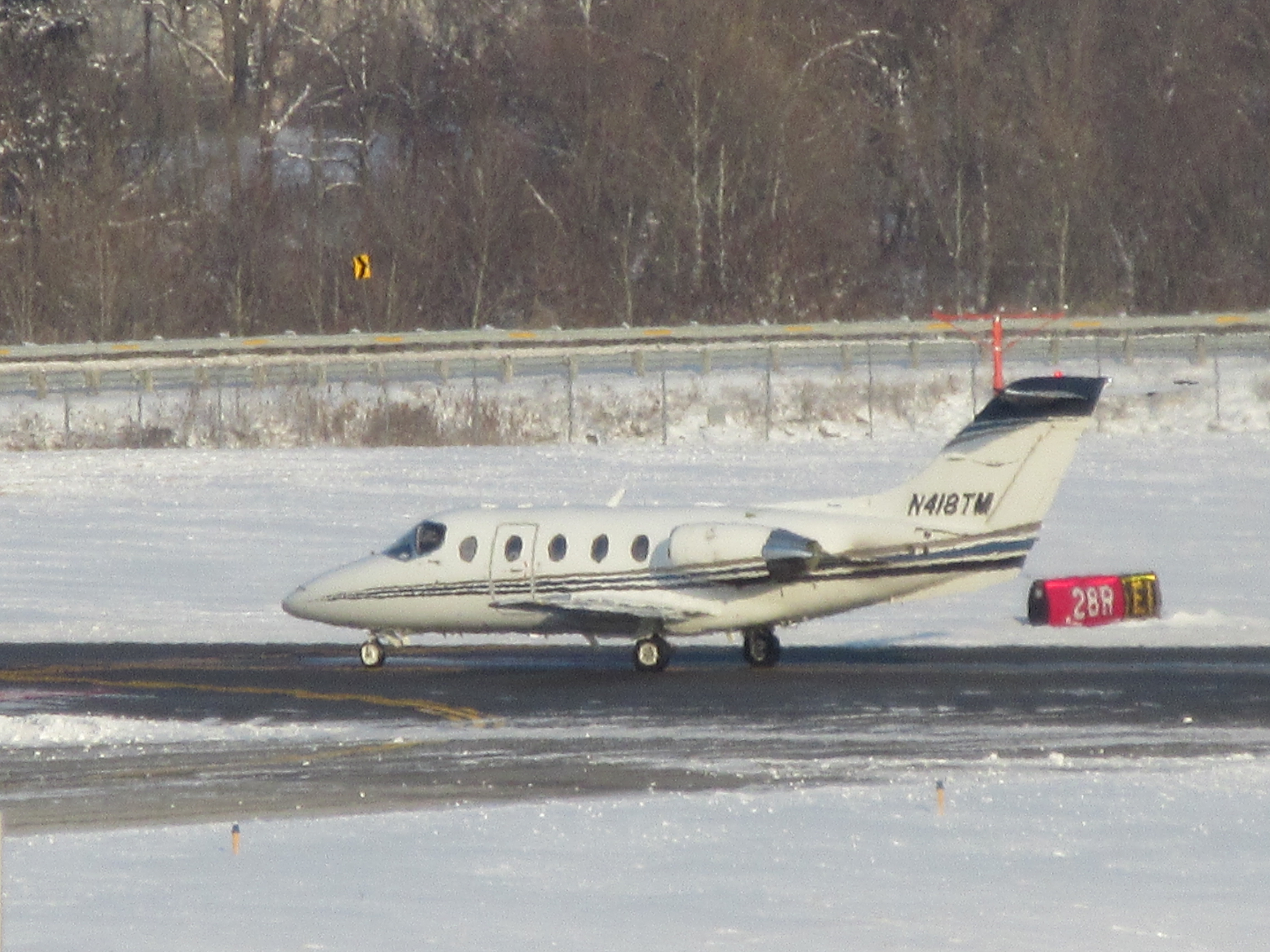 Our most recent big storm was quite a challenge. It started with temps well above freezing and torrential rain. These conditions can make it hard to pre-treat the runways to get ahead of the frozen participation to come. The temps fell through-out the day hovering at the freezing mark for a few hours and coating everything in ice. As the temps continued to plummet the ice turned to snow and the winds began to pick up.
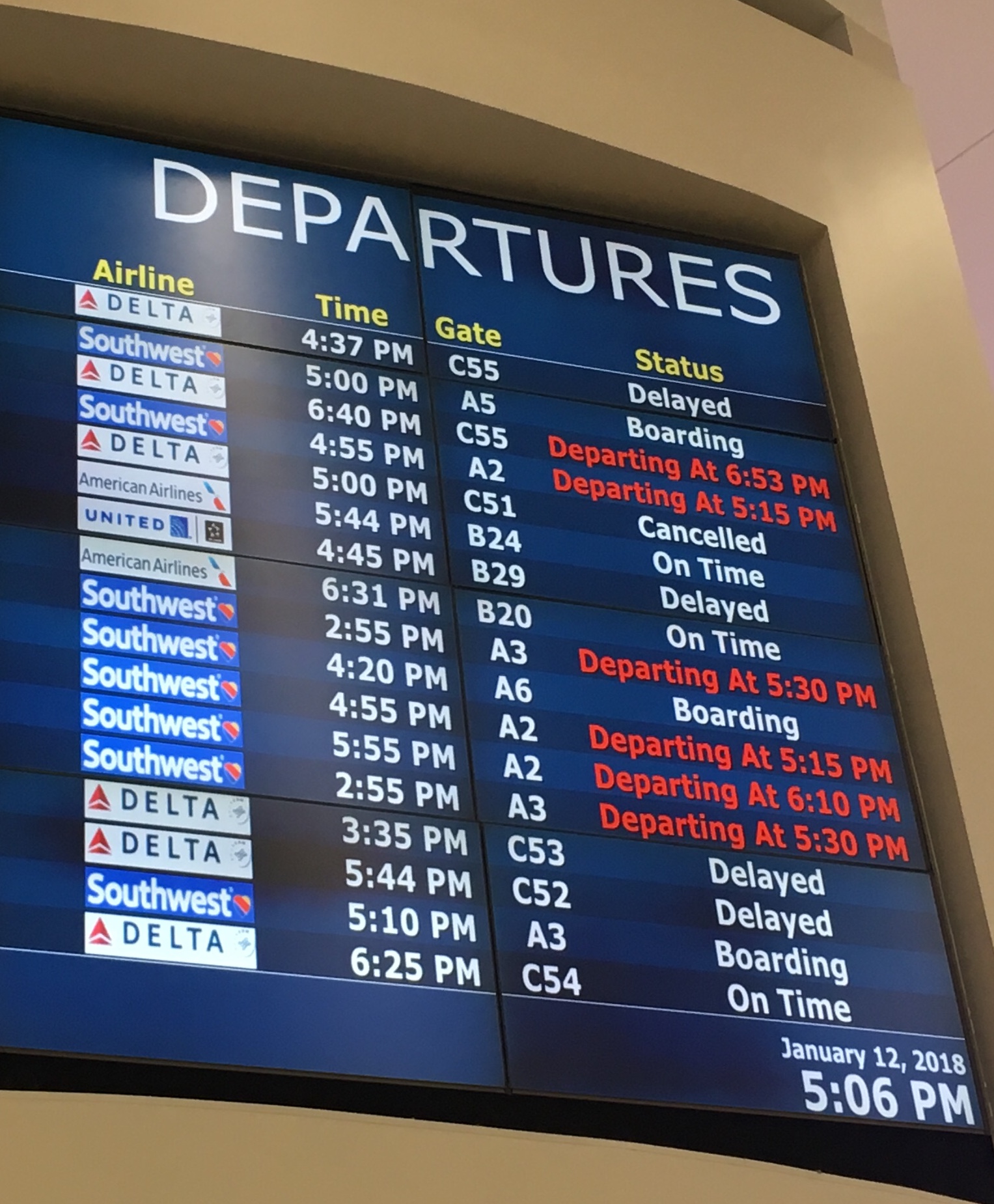 I was surprised at first to hear the deice pad frequency up and running so late at night. Under normal winter conditions – a frosty day or light snow – Ops will run the deice pad only during busy departure times. Otherwise the ramp remains uncontrolled and pilots work directly with the ground crews to get positioned for deicing. However, I found out that any time the airport is in snow operations, the Ops Department will take charge of the deice pad. This way they can keep the parking lines clear of snow, improve traffic flow and minimize the risk of collisions. Plus it allows them to relieve some of the burden on ATC since Ops will take over issuing some of the taxi instructions.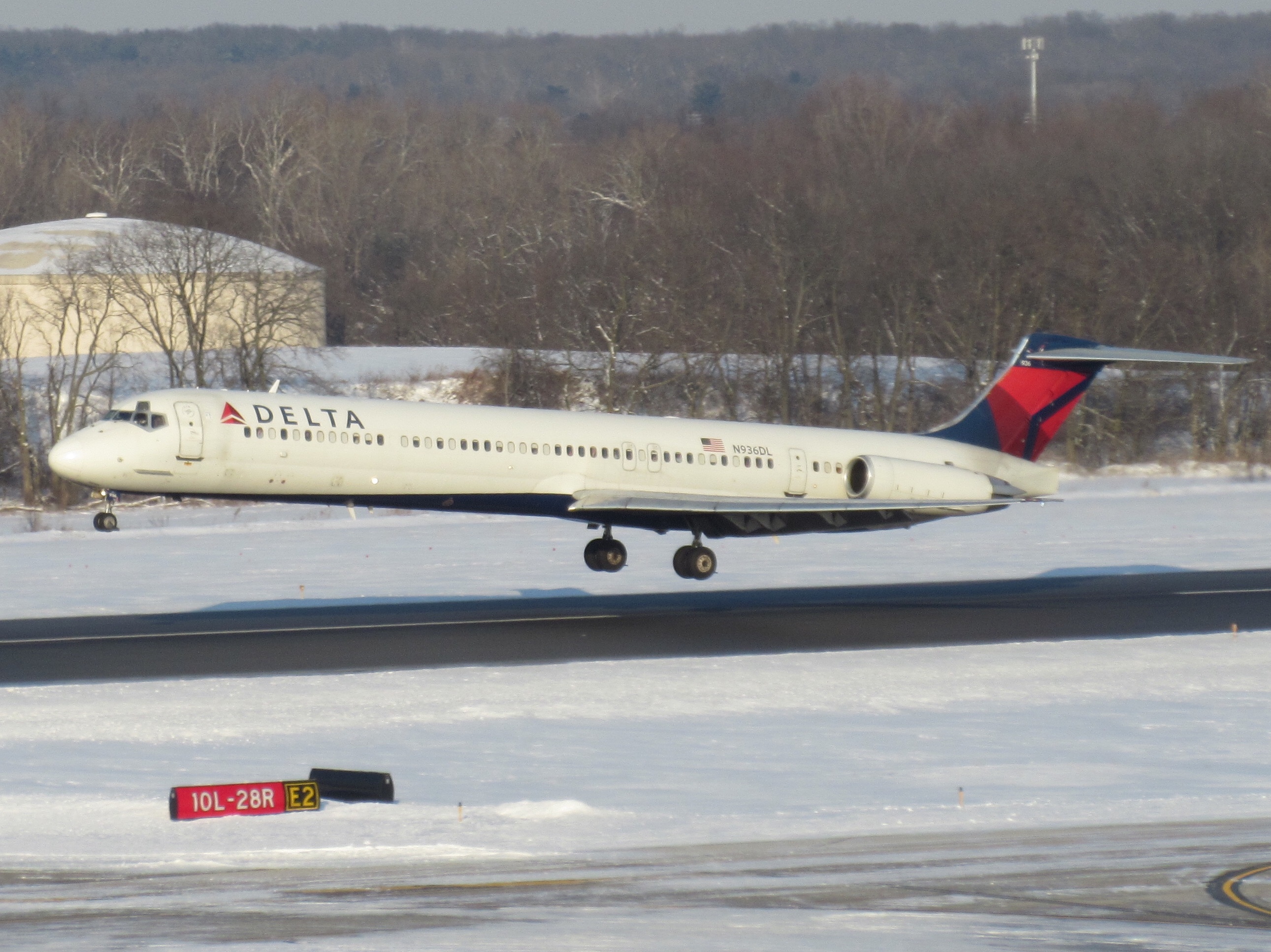
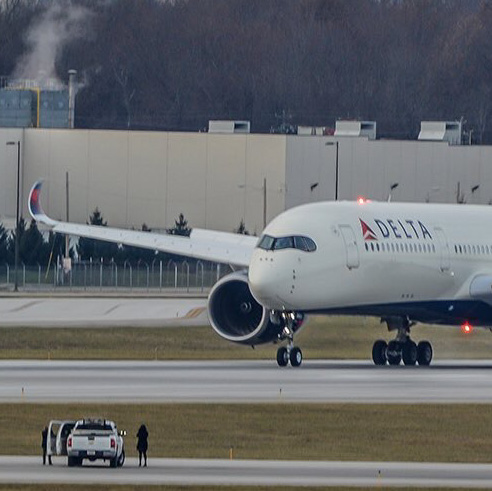


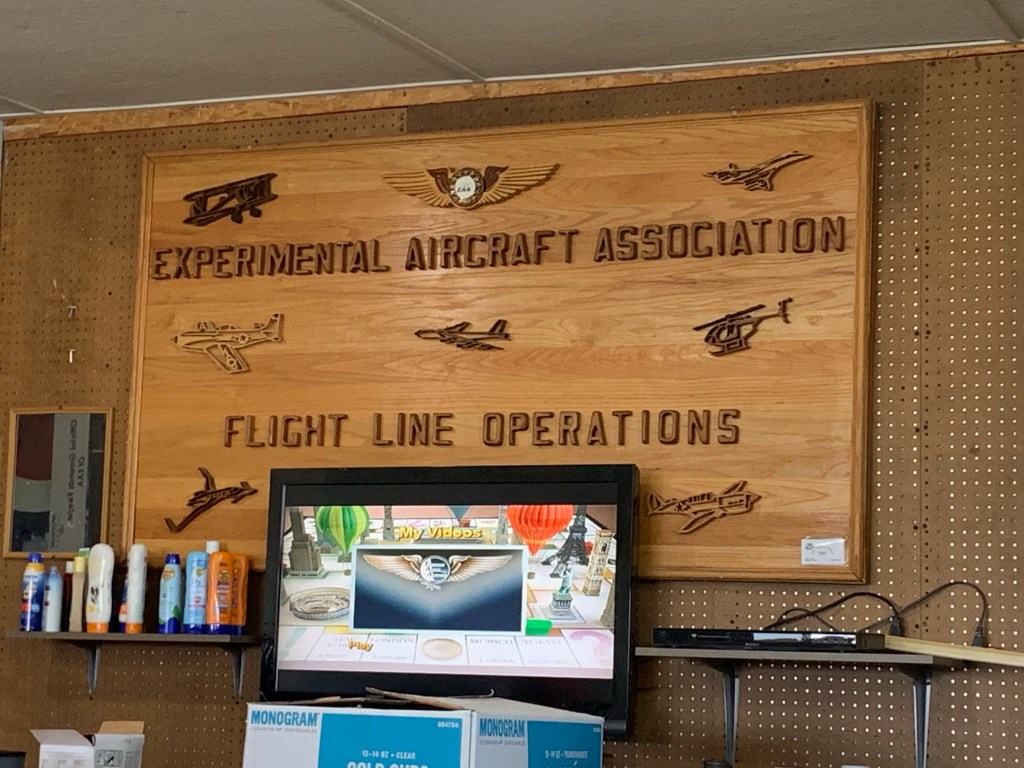
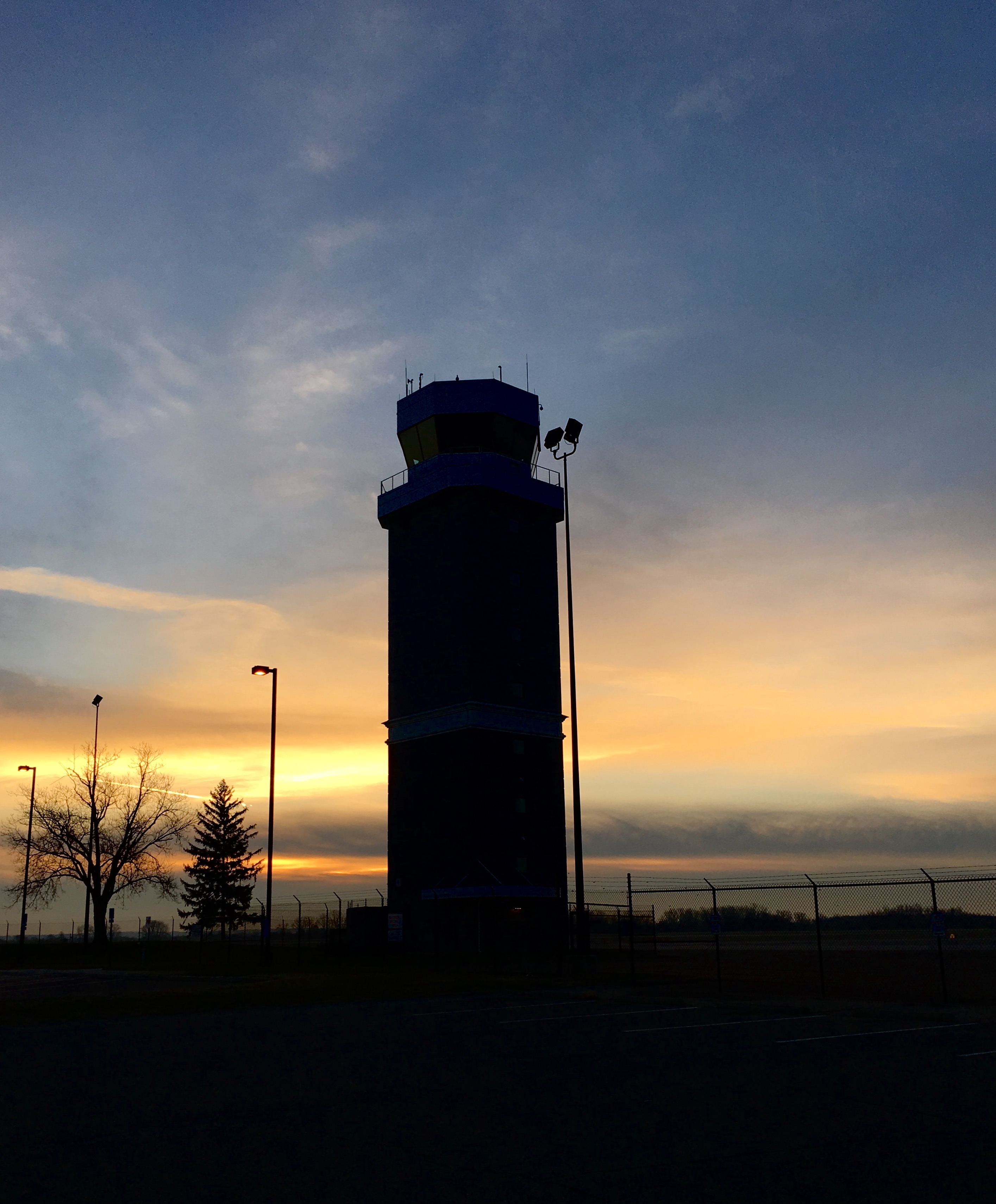 So how do you top off a week that had such a stunning beginning? Why with a visit to the FBO, of course! At the cargo airport the FBO is run by the Authority so we are very involved with paying their bills and invoicing the airlines for their services. Getting to spend a few hours there was an important learning experience. And, of course, the avgeek in me was a kid in a candy store.


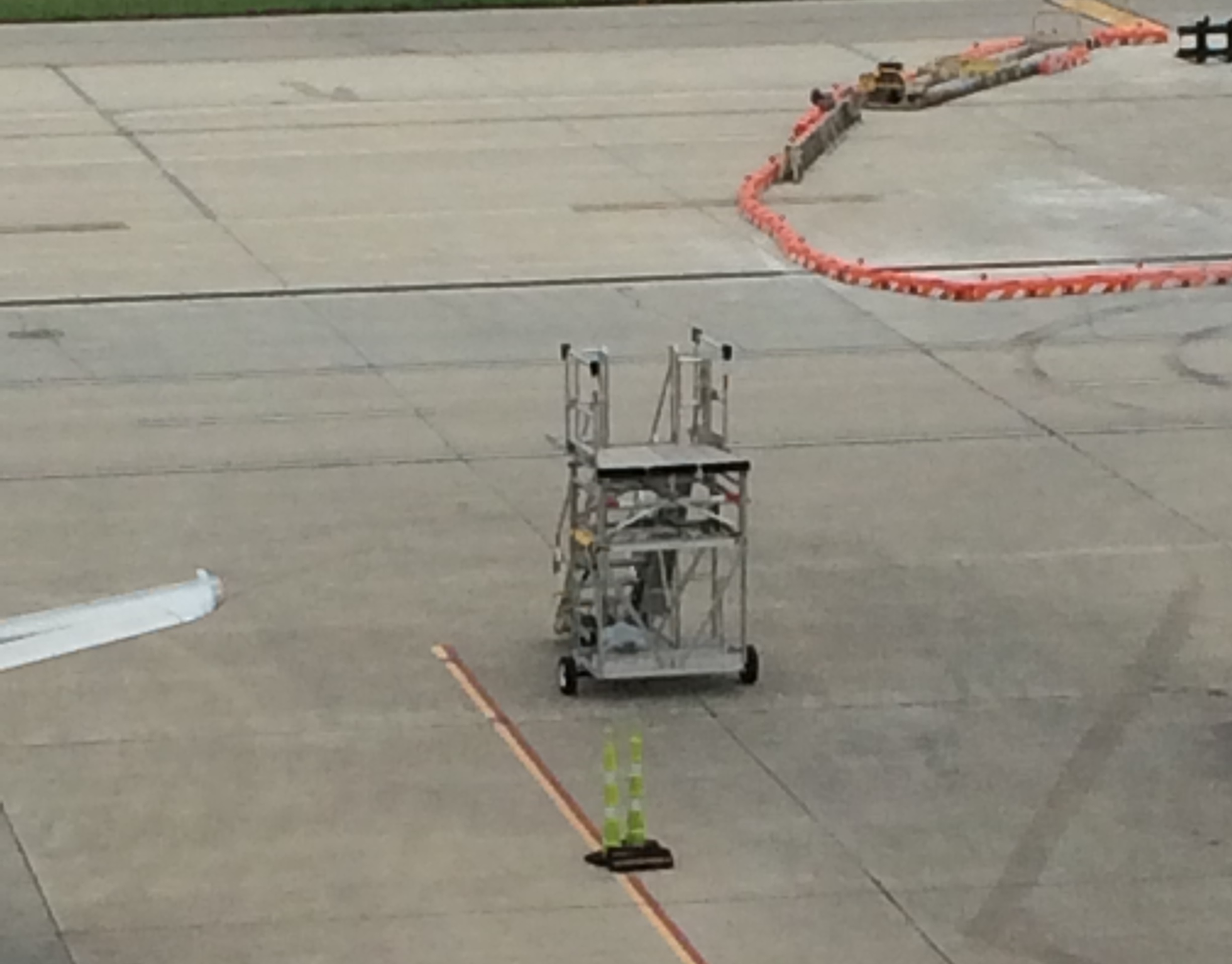
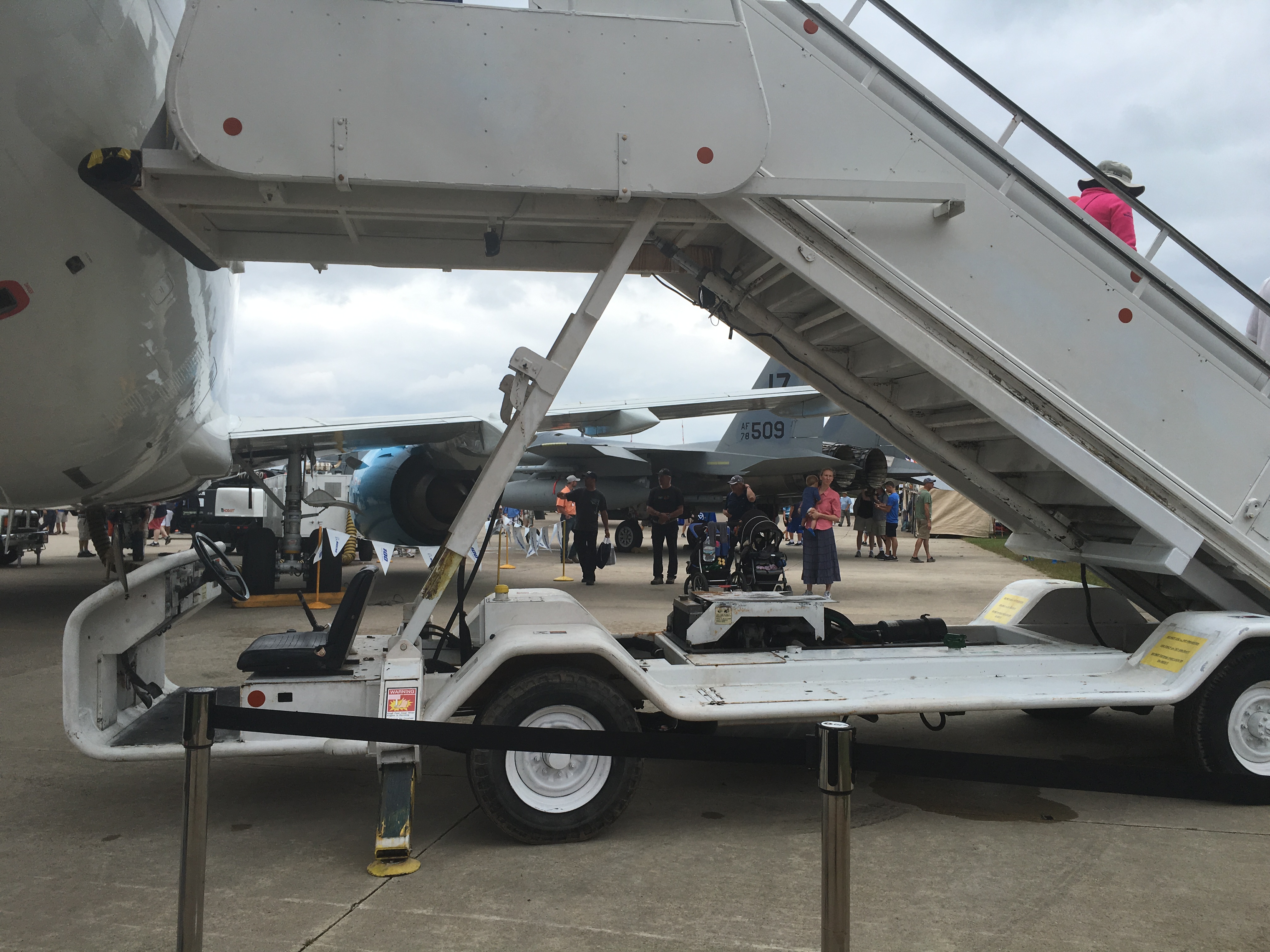
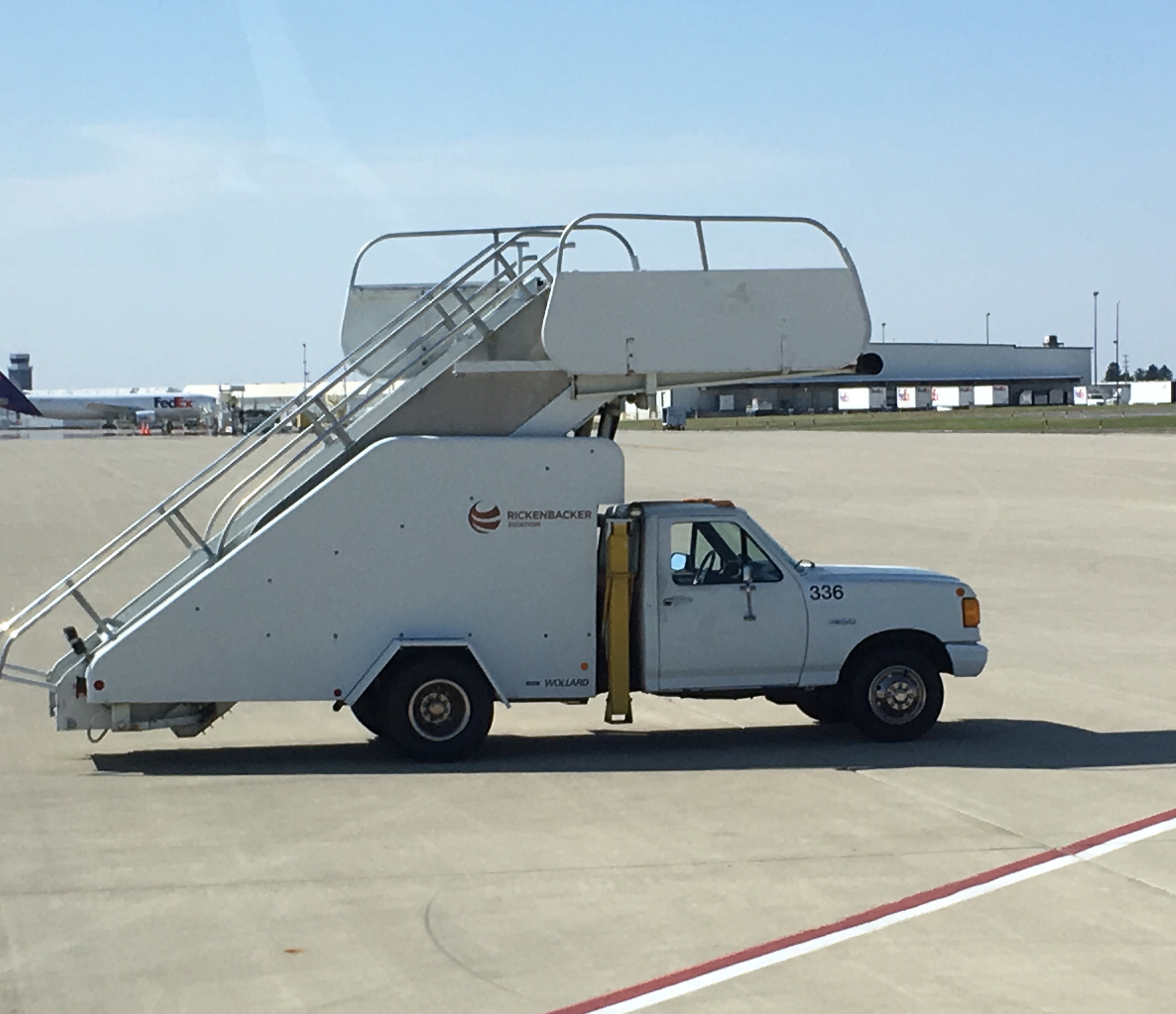 It occurred to me recently that it has been a while since I’ve written about my favorite ground support vehicle. I am, of course, talking about the mighty stairs truck! I would like to start with a bit of clarification. There seems to be some confusion about the differences between the various types of stairs typically found at the airport: air stairs, mobile stairs, motorized stairs, etc. I attempted to consult the world’s foremost airport stairs experts on the best way to explain the differences… but alas, I couldn’t find any. So I am afraid you’re stuck with me. Here’s how I see it.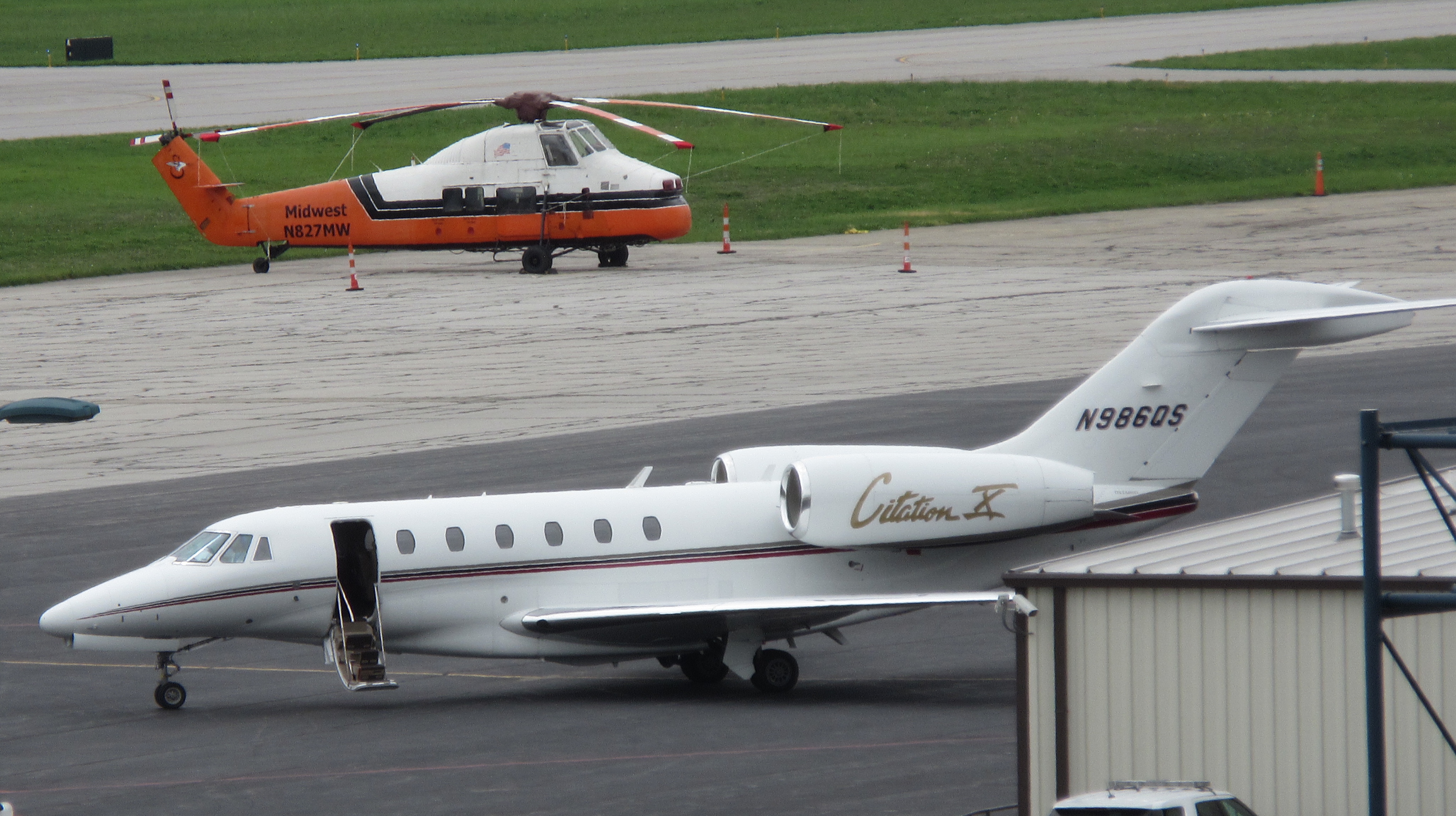


 Tales from the Terminal